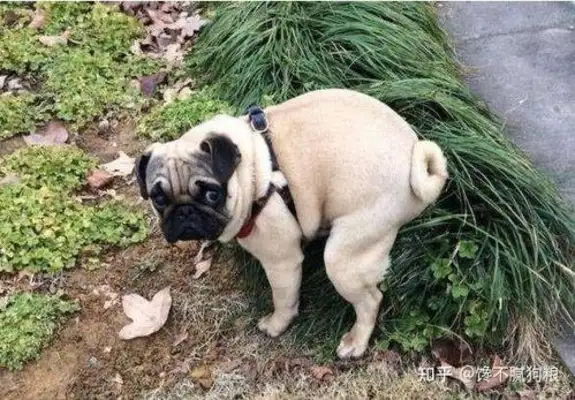
Of course, dog health excreta care is a very important part of dog-raising. It is not only related to the physical condition of the dog, but reflects its living environment and the health of its eating habits. I will now elaborate on this subject, from content focus, recommendations and measures to a complete response plan to help you better understand and maintain the health of the pet.
I. Core elements of healthy faeces
Healthy dog dung should have the following characteristics: Colours are normal: usually yellow to brown, colours are bright, and there are no visible unusual colours such as green, black or red blood. Shape integrity: Cylinder, non-break, non-too loose or too hard. The odour is moderate: the normal pet excretion odour should not smell sting or rot. The frequency is reasonable: one or three defecations per day, not many, and the pattern is stable.
II. Common anomalies in healthy faeces
It is to be warned that when excreta changes occur: colour changes: black (possibly haemorrhagic digestive tract), white or grey (abnormal liver function), green (food poisoning or gastrointestinal discomfort). Unusual patterns: Diarrhoea (fruit or paste), constipation (hard not to excrete), blood or glue. Anomalous smell: Too bad or corrupt. Frequency deviation: suddenly becoming frequent or scarce.
These changes may signal internal health problems and need to be addressed in a timely manner.
III. RECOMMENDED MEASURES FOR ARRANGEMENTS
In the face of different anomalies, measures should be taken: observation of records: detailed recording of changes in the colour, shape, smell, frequency, etc. of excreta, which can assist doctors in their diagnosis. Improved diet: ensure that dogs are balanced, clean and avoid feeding spoiled or unknown “spam” foods. Increased cellulose intake helps to regulate the stomach. Cleaning: Cleaning of excreta every day to avoid bacterial reproduction due to the accumulation of excreta. Keep dogs dry and clean. Rational motion: Motion appropriate to promote gastrointestinal creeping and defecation patterns. Supplementary moisture: Ensuring that dogs drink enough water all day helps to soften faeces and avoid constipation. Moderate fasting: In case of diarrhoea, the feeding can be suspended for a short period of four to six hours and then gradually restored to help with intestinal rest. Drug assistance: The use of drugs under the direction of veterinary doctors, such as prophylactic bacteria, can help regulate intestinal strains, which may require antibiotics or antidiarrhea drugs in cases of severe diarrhoea. Prevention of parasites: periodic deworming to avoid diarrhoea and discomfort caused by parasites.
III. Complete response
In the event of anomalous faeces in dogs, it is recommended that the following procedure be followed: immediate isolation observation: observation of other behavioural changes, such as appetite, psychosis and vomiting, and determination of the seriousness of the condition. Detailed records: Collection of excreta samples, recording of information on time, frequency, appearance, smell, etc. Adapting diet and the environment: Suspendment of food that may cause discomfort and provide easily digestible foods such as cooked rice and chicken. Strengthening of health management: cleaning of areas and supplies for dogs to prevent virus and bacterial reproduction. Timely consultation with veterinary doctors: dogs should be brought to veterinary clinics for diagnosis and treatment as soon as possible if the faeces color lasts for more than 24 hours and is accompanied by symptoms such as vomiting, depression, abdominal swelling or haemorrhage. Necessary examinations: Veterinary doctors may recommend that blood, faeces parasites or images be examined to clarify the reasons. Medically prescribed medicines: medically directed medicines to avoid self-use and to ensure their safety and effectiveness. Follow-up and prevention: regular medical check-ups are still needed after the cure and continued deworming and vaccination to ensure the long-term health of the gastrointestinal system.
IV. Development of healthy habits and prevention over treatment
Prevention is always more important than cure. The incidence of faeces can be significantly reduced by paying regular attention to the following: scientific feeding: providing good quality dog food and avoiding sudden changes in food. Sufficient water: Let dogs drink clean water at any time. Normal living: maintenance of normal diet, exercise and sleep time. Regular medical check-ups and deworming: annual check-ups and periodic deworming, away from parasites and potential diseases. Attention to sanitation: Keep the living environment clean and dry and reduce the sources of infection.
These details can make your dog stomach healthy, your shit normal, your life happier.
In conclusion, healthy dog shit is a “healthy mirror”. By observing and adjusting, we can identify problems early and take timely measures. One of the pleasures of pets is to learn to be their guardians and to protect their lives with care and responsibility. All of this presupposes quiet observation and care every time.