No. PET3398
English name: Port Lincoln Parrot
Vulnerability: respiratory, digestive and parasitic diseases
Life: Overview of parrot species in Lincoln Port, 10-15
Port Lincoln Parrot currently has three subgeners. As a result of their wide distribution, their habitat is also wider, mainly in the open Yughali, bushes, agricultural orchards, coastal areas, desert areas, suburbs and parks. There are seasonal migrations of communities in northern Australia. The Parakeet Characteristics of Lincoln Port.
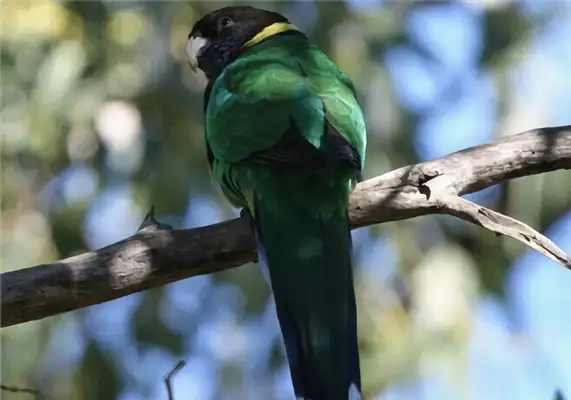
The sizes of the different sub-species of the Lincoln harbour parrot vary, averaging about 35-44 cm and weighing around 165 g. The male is a little larger than the female, the head is brown and there are marks on the bottom of the wings. The breasts of young birds are darker, brown heads, brown ash, and the top of the tail is green. It takes 12 to 15 months to reach the feather of a bird.
In Southwest Asia, the parrots are the largest beaks, greener than the other two with yellow abdomen. The western sub-species are the smallest, lighter and smaller; the female's head and beak are smaller than the male, and the body's feathers are lighter. The parrot's head and cheek are essentially black brown, with dark blue spots on both the under-earth and the back of the throat. The back of the neck is a narrow and bright yellow collar. The upper body shows a variety of green mosaic spots and very thin green dark stripes, and the main flying feather shows a much more classic blue-green inner edge, while the outermost feathers are thin green. The warp of the wings is green pine, the primary plume is black and brown, the flying plume black, and a little blue. The lower body is a contrasted chest with dark green feathers, while the upper abdomen are bright yellow, small abdomen and lower arctic yellow. In the middle is deep green through deep blue. The outer tail feather base is dark, the bottom of the tail is light blue, and the end is white. The ash white. Rainbow brown, gray legs. The Parrot living in Lincoln.
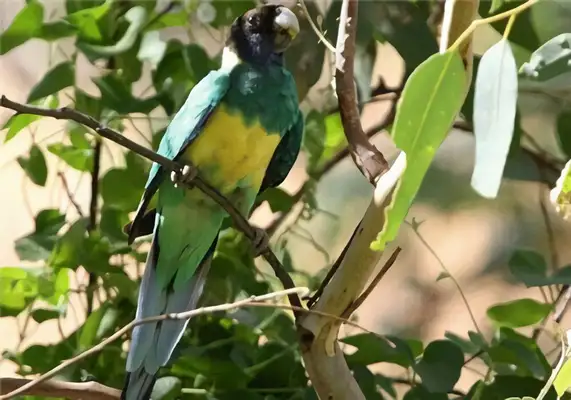
The requirements for habitats vary from sub-species to the port of Lincoln, but mostly in dry areas. The areas in which they live include open eucalyptus, bushes, agricultural orchards, coastal areas, desert areas, suburbs, parks, etc.
The caged Parrots in Lincoln are strong and co-ordinated. It is best to provide strong nests and nests, to provide toys or fresh branches for their bites. It is not ideal to feed them in cages. They should be raised in large cages, which are ideal for breeding because of the aggressive nature of the males; the numbers of known sub-species and species in South-West Asia are rather small. The Parrots of Lincoln Harbor raise knowledge.
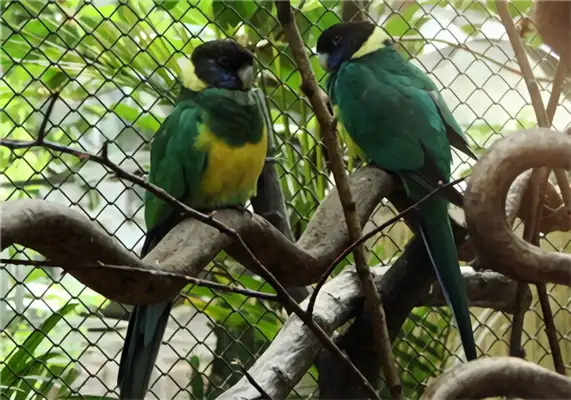
In the wild, parrots in the port of Lincoln prefer to work together in pairs or groups to feed, and they are noisy, mainly for nectar, grass seeds, fruits, flowers, insects, etc. Many farmers are tired of seeing Parrots in Lincoln and are sometimes hunted for losses to their crops, with seasonal migration of communities in northern Australia.
The macaws in Lincoln will begin nesting between June and February (previous in the north) and will be territorial during reproduction, usually with females choosing their nests, and mostly on high euphoria trees in the peri-water zone, producing 5-7 eggs, hatching about 19 days later, with females feeding their chicks alone the previous week, followed by males feeding, with young birds dating after four weeks, but still living with their own.
It is not easy to reproduce in small cages, and it is more likely that they will be successful in large cages. It is best to provide strong nest boxes or hang them outside to prevent bites from destroying nest boxes, and to make nests out of natural mid-empty trees, which, if used deep enough (at least 70 cm or more), are likely to mature at about two years of age and not to be recommended for reproduction at an early age, with the reproductive season starting in spring, but possibly early, with about four to seven (usually five) nests producing approximately 20 to 22 days of incubation, with female feeding alone 10 to 14 days before hatching, followed by male birds joining the group feeding young birds, who grow up about five weeks later.