The lack of calcium in the iguana is a common hazard in the rearing process and, if not corrected in a timely manner, can easily develop into metabolic bone disease, affecting health and quality of life. The following starts with five early hazard signals and gives you a complete response to help you monitor, intervene and prevent at home.
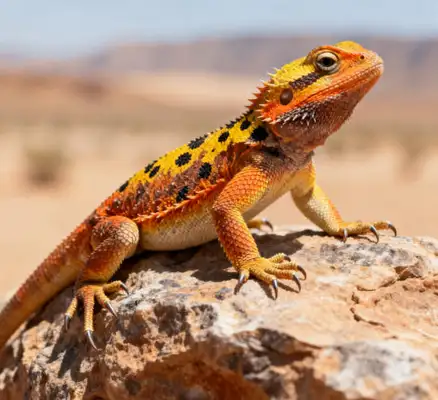
I. Five early hazard signals (alert signals) 1) There is a marked decrease in activity, a limp or an unstable standing: The normally active little lizards suddenly become static, slow, unwilling to move, with insufficient back or front limb activity and lack support even in the Basking area. Reason: Insufficiency of bones, muscle calcium leads to reduced power and pain.
2) Shelling difficulties, skin insufficiency, abnormally dry skin performance: head neck, back, tail, etc. The skin is incomplete, the skin is hard to remove and the skin feels rough and cracks. Reason: The lack of calcium affects the normal renewal of skin and scales, and the need for supplementary nutrients is higher for skin peeling.
3) Muscle tremors, tremors, unusual appearances: impervious tremors of limbs, tails or jaws, rectangular positions, irregular positions and reduced mobility coordination. Reason: Low calcium causes neuromuscular hyperactivity and is prone to muscle spasms and shaking.
4) Declining appetites and weight loss: Food is significantly reduced, body weight is reduced, although the environment and temperature are normal and weary. Reason: The combination of pain and energy deficiency is often associated with metabolic anomalies.
5) Skeletal malformations or signs of continuous pain: an abnormal bend in the body or tail, an abnormal standing position, and pain in the teeth/barrells which may cause difficulty in biteing. Causes: chronic calcium deficiency leads to softening and malformation of bones, and pain further reduces activity.
Early identification and continuous monitoring of the content focus (the core elements of monitoring and integrated management): regular observation of daily behaviour, feeding, skinning, establishment of simple logs, and attention to any minor changes in the above five signals. The underlying understanding of the diagnostic path: When a signal appears, it combines the breeding environment, light and temperature, and feed, and if necessary a veterinarian is asked to perform a blood test and visual examination (X-ray, etc.) to assess calcium, phosphorus, vitamin D3 state and bone health. Prevention priority day-to-day management: ensure adequate and stable UVB exposure, appropriate daily bath temperature, scientific calcium supplementation, balanced dietary structure and good hydrating. Specific complementary strategies and environmental adjustments: use calcium powder (with or without vitamin D3) under veterinary guidance, combined with daily food sources, to optimize the feeding ratio and ensure that phosphorus calcium is appropriate; at the same time, optimize the temperature of the temperate and basking areas to maximize the absorption effect of calcium. Follow-up and follow-up programmes: regular check-ups, recording of weight and body changes, and timely adjustment of feeding and supplementary programmes, whether or not they are diagnosed.
Recommended measures (operational points for direct landing) for the management of UVB lamps: Select the UVB lamps for the appropriate band (as is common in the market 5.0-6.0 UVB), periodically replace the lamps (normally 6-12 months, depending on the brand), and ensure that the lamps remain at appropriate distance from the Basking area, with light time of about 10-12 hours per day. Gasking area temperature: about 38-40°C in the daytime area, ambient temperature 18-29°C, slightly lower at night. Inadequate temperatures reduce calcium absorption and synthesis with D3. The choice of calcium supplementation with vitamin D3 calcium powder: calcium carbonate (CaCO3) is a common base powder and contains D3 depending on whether the UVB is sufficient or not; if the UVB is sufficient and the diet is balanced, priority can be given to the use of non-D3 calcium powder to reduce the risk; if the UVB is insufficient or additional assistance is required during the growth phase, the use of D3-containing calcium powder may be used at a lower frequency (e.g. 1-2 times a week, combined with veterinary advice). Frequency-to-proportion: Infants/fast birth can be fed 5-6 days/week by insects, adult pets and UVB sufficiency can be reduced to 2-3 days/week, with attention to phosphorus calcium ratio of approximately 2:1 and above to avoid excessive phosphorus intake. The sources of calcium in the diet are: high calcium in green leaf vegetables such as kale, mustard leaves and sweet tea, relative avoidance of spinach (the use of calcium is affected by herbate). Insect feeding is combined with “gut-loaded” before being fed to lizards to increase calcium and mineral intake. Dietary structure and moisture dietary factors: based on green leaves and vegetables, supported by adequate protein sources (e.g. locusts, crickets, bowlworms, etc.), total energy to meet growth needs; food diversification is provided on a regular basis to avoid single nutrition. Phosphate calcium balance: Reduce high-phosphate food, avoid over-ingestion of phosphorus and keep the calcium ratio within reasonable limits. Humidity and humidity: Provide sufficient clean water and, if necessary, potable water training; environmental humidity is maintained at around 30-50% to avoid skin problems due to overwet. Monitoring and day-to-day care weight and body status records: weighing and recording body weight changes on a weekly basis, with attention to variations. (c) Shelling and care: When helping to decorate, ensure bathing and wet environments and avoid damage from hard pulling. Pain and Behavioural Observation: Observe tremors, pain positions and changes in activity and adjust conservation programmes in a timely manner. In the case of any of the above signals in medical and follow-up visits, it is recommended that veterinarians with reptile experience be consulted as soon as possible for blood tests, X-rays, etc. If the calcium deficiency is diagnosed as MBD, a long-term treatment programme, consisting of drugs, supplements, dietary and environmental adjustments, is established under professional guidance and is regularly reviewed.
A complete response (step-by-step implementation list)1 assesses and records access to the last 8-12 weeks of feeding, lamps, temperature, activity, weight and skin skin records and makes them simple journals. If the first signal appears, the environmental problems (UVB, basking temperature, sunlight duration, feed composition, stress source). 2) Adjustments to the environment and light confirm that the UVB lamps work normally, at a moderate distance and at a stable time of exposure; and ensure temperatures in the Basking area between 38 and 40°C. Adjust humidity and ventilation to avoid damp or overdrive. 3) Optimizing dietary and calcium supplementation to start or adjust the use and frequency of calcium powder, prioritizing the appropriate calcium powder type and avoiding overdose. High phosphorus foods such as pig liver are controlled with green leaf vegetables and “Gut-loaded” insects. A 2-3 week review window is set up to closely observe weight, skin loss and activity changes. (4) Diagnosis and professional intervention, such as continuous or aggravated symptoms, are examined as soon as possible for blood tests, X-rays, etc., to ascertain whether MBD and its severity, and to comply with veterinary treatment programmes. In the case of patients diagnosed, systematic medical treatment may include medication, regular re-diagnosis, long-term dietary and environmental management. 5) Long-term management and prevention of the establishment of long-term lighting, temperature control and feeding schemes, regular replacement of lamps, calibration of gasking area temperatures and maintenance of appropriate phosphoric calcium ratios. Continue to monitor the quality of body weight and skin skins and maintain preventively high calcium intake and sufficient vitamin D3 without overdose. To avoid abrupt changes in diet structure or lighting set-up and gradually adjust to reduce stress.