Summer is both a growing season and a high onset of heat stress for reptiles. Like humans, the environment sustains body temperature and metabolism, and summer temperatures can easily trigger dehydration, accelerated breathing, reduced appetite and even gastrointestinal abnormalities if they do not cool and wet in time. The following is a cooling guide for home-crowding, which contains a focus, concrete measures and a set of available responses to help you take better care of summer.
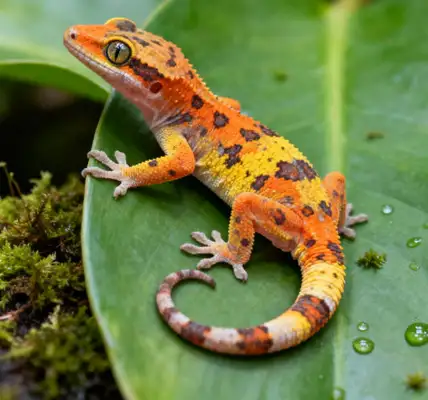
1. Signs of critical heat stress in content are detected early on: persistent mouth breathing, water basins, psychosis, food deprivation, defecation abnormalities, eye dents and skin inflexibility. Performance varied slightly from species to species, and it was crucial to observe abnormal behavioural changes and body temperature-related reactions. Environmental temperature control is at the core: establishing clear temperature gradients, with high temperature areas coexisting with low temperatures to facilitate animal self-regulating; stable ventilation, avoiding direct blowing, is as important as shade-shining areas. Humidity needs to be adapted to species, too wet to cause fungus and respiratory problems, while overdrive increases the risk of dehydration. Consistency between drinking water and nutrition: the availability of drinking water needs to be increased in the summer, and water sources need to be clean and frequently replaced. The feeding time and type of food need to match the active life cycle and cooling needs of animals to avoid forced feeding at high temperatures. Observation records are used for chassis: daily observation tables are set up to document temperature, humidity, feeding, activity time, defecation, weight, etc., to facilitate assessment of the effectiveness of cooling strategies and early adjustment. Emergency response and prevention go hand in hand: in cases of continued high temperatures and incalculable temperatures, cooling measures need to be implemented quickly and access veterinary doctors to avoid stress or harm caused by the use of inappropriate cooling.
II. The recommended measures (operational list) gradient design to establish clear high-temperature and low-temperature areas to ensure that animals are able to move on their own to regulate their temperature. Temperatures in high-temperature areas should be within the limits of species tolerance, and at low-temperature areas should ensure comfort and availability. Avoid sudden temperature jumps. The management of light and heat sources uses controlled heat sources (e.g., professional reptile lamps, lighting and heating lamps) and allows temperature control in the daytime partitions to avoid direct exposure to the whole population. Moderate light cycles during the day, moderate cooling at night and avoiding continued high temperatures at night. Ventilation and humidity are maintained and air retention is avoided. A moderate increase in humidity if indoor humidity is low, or a high humidity if ventilation or the use of dehumidifiers is high. Proper water spraying (especially wet-crowding, as in the case of certain tree frogs, but with careful treatment of the humidity preference for each). Water sources and humid areas are provided with a stable drinking water source, and the basins are sufficiently deep to be able to crawl with the nasal cavity or claws to reach the moisture and wash regularly. Provision of wet shelter areas (e.g. wet nests, wet cloth-covered shelters) to help regulate surface moisture and skin state. The diet and the rhythm of activities in the summer was replaced by a series of feeding: feeding during cool hours (morning or evening) to avoid digestive pressures during high temperatures. Provide diversified and digestible food to avoid chronic malnutrition due to reduced appetite due to high temperatures. Monitoring and recording of daily temperature and humidity, feeding, activity time, defecation and body weight changes to establish trend curves. Regular photographs are taken to compare body changes and to monitor changes in weight and muscle levels. Independent measures in specific circumstances, where indoor cooling is not possible, consider the use of portable air conditioning, cooling pads, photo masks, etc., while avoiding direct cold wind blowing to humans or excessive direct cooling. In case of heat outbreaks, priority is given to the entry of animals into the cold zone, the provision of fresh water and, if necessary, the use of warm water baths to assist in the recharge and metabolic adjustment of water, followed by a veterinary assessment.
iii. Complete response programmes (exercised by daily, high-temperature and emergency components) 1. Daily routines are used to screen the temperature control equipment in the morning and evening of the day to ensure that the temperature gradient is clear and stable; the night temperature is slightly reduced to avoid being too low. Maintenance of damp and wetness: wet areas should not become fungus hotbeds with regular cleaning and drying. Water consumption is also heavy: water basins are located near low-temperature areas, easily replenished, clean water is regularly replaced, and feeding dishes and rest areas are clean.
2) Real-time management of high-temperature days for primary feeding in the morning and evening, and keeping the day cool and wind away from the straight-blowing line. Add dark shades of light, reduce human interference and allow animals to choose their own cooling paths. Enhanced observation: Check every 2-3 hours to record body temperature, behaviour changes and take immediate cooling measures if there are signs of continued high temperature.
3) The emergency treatment process found signs of continuous mouth-opening, foot-strangling, significant dehydration, first moving animals to cold and cool areas, providing water-purification trace soup to assist drinking, avoiding strong cold or strong irritation. In the absence of a significant cooling tool in the home, contact the veterinarian as soon as possible; during the waiting period, wet rags can be used to cover both sides of the reptile back to help evaporate and cool, while avoiding covering the head and nostrils. Record emergency response, environmental humidity and animal response for follow-up and improvement programmes.