Guidelines for the recovery of health after the ceremonial reproduction
Reproduction is an enormous test of energy and nutrition for the palace, and a good rest and recovery is necessary to lay a solid foundation for the next cycle of reproduction. The following elements combine practical conservation experience to help you build a scientific, implementable recovery programme.
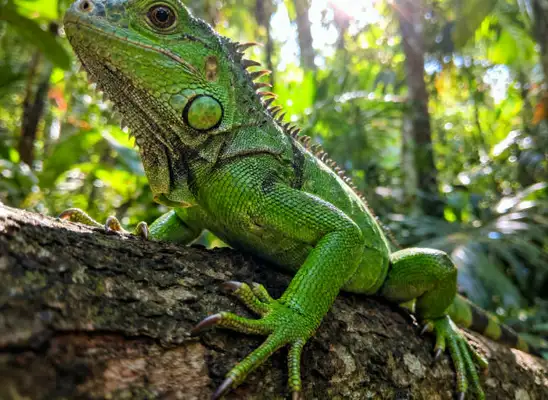
The focus of the content assessment is first: the primary task after reproduction is to determine the weight, body, activity and feeding of the palace, and whether it is in the recovery phase, taking into account indicators such as excreta, skin state and eye mucous membranes. Nutrition and feeding upgrading: high-quality proteins, adequate fats, and sufficient calcium and vitamin D3 after reproduction are needed to help muscles and ovaries recover, while increasing food nutritional density through “gut-loading”. Environmental and moisture stability: Provide temperature gradients, appropriate humidity and wet cover, prevent dehydration and de-skinting, and contribute to the recovery of normal skins and metabolism. Hydraulic and stress reduction: Increase water intake and moisture management, reduce stress and avoid prolonged drying, direct light or noise. Health monitoring and early warning: close observation of breathing, activity level, faeces form, skin state, in case of unusual and timely medical treatment, to prevent minor problems from becoming a major problem. Gradual transition to normal conservation: gradual restoration of normal feeding and reproductive rhythms after the recovery of physical condition, avoiding premature re-entry into reproductive stress.
Recommended measures to improve proteins in diet and nutrition: Better quality of food, mainly insects, and regular change of sources, such as gut-loaded crickets, bread worms, maggots, etc., to ensure sufficient proteins. Calcium and vitamin D3: 2-3 calcium per week supplementing vitamin D3 to avoid metabolic bone disease and ovarian health. Total vitamins: use a comprehensive vitamin supplement for pets, follow instructions and do not overdose. Dietary frequency: one daily feeding and, if necessary, sub-feeding at the beginning of the post-reproduction period, gradually returning to a daily/two-day frequency and adjusting the physical condition. Water management: Provide clean water basins with sprays that maintain moderate humidity and where necessary use of small water basins or wet hideouts to help with water intake. Environment and habitat temperature gradients: total day temperature 28-32°C, high back temperature zone 32-34°C, down to 22-26°C at night to ensure shade and cover. Humidity and privacy: The overall humidity is between 40 and 60 per cent, and the local privacy is slightly higher, promoting skin sting and comfort. Wet hide-out areas: wet shelters to avoid direct lighting and reduce stress. Living space: Provision of multiple palace-keeping hours to ensure separate areas for food and rest, and reduction of fighting and stress. Water and nursing baths: In case of de-skinning difficulties or drying, a hot bath can take 10-15 minutes, but not longer than this, so that the temperature is not too low. Cleaning and observation: daily check for nasal cavity, eyes, mouth cleanness, normal colour and shape of faeces and early detection of problems. Health monitoring and response observation points: rising appetite, increased activity, improved body state, regularization of faeces, increased skin glossiness. Anomalous signals: persistent food denial, loss of weight, respiratory difficulties, increase in nose and nose secretions, abnormal bruising or continuous fever, and medical attention should be provided as soon as possible. Preventive access: Veterinary assessments are arranged in the later stages of reproduction or early recovery, and blood tests are conducted to assess calcium, phosphorus and vitamin levels, as necessary.
The complete response programme (phased, operational day-to-day plan) in week 1 (initial assessment and stabilization) records weight, length, body scoring and observations of activities and food consumption. Adjusting the environment: Ensure that the temperature gradient and humidity are moderate by adding a wet hideout. Feeding: One high-protein per day, digestible food, and a few mixed cereals to balance taste. Calcium 2-3 times/week, to be given at the indicated level. Water: Provide daily clean water and moderate sprays promote water intake. 2-3 (stabilization period, incremental load increase) The number of meals (1-2 per day, depending on the individual) continues to be concentrated on high proteins, with regular calcium and vitamin D3. Maintaining temperature gradients, maintaining fluctuations in humidity of about 60% and ensuring smoothness of the sheding process. Attention is paid to changes in excreta and body weight, adjustment of food ratios or consultation with veterinary doctors in case of loss of weight or abnormal excreta. Week 4-6 (near normal, assessment of preparation for next reproduction) stabilizes the feeding rhythm and gradually returns to normal feeding frequency and food structure. Conduct a simple health assessment (where possible, a simple medical or blood examination) to assess bone, muscle and metabolic state. If the state of health is achieved, it will be possible to begin planning the rest period for the next cycle of reproduction, while avoiding excessive stagnation and maintaining touch and training. After week 7 (transition and long-term management) confirms that when the condition stabilizes, it enters a long-term maintenance model: regular feeding, clean patterns, moderate exercise and hideout management. If re-reproduction is planned, nutrient enhancement and physical and psychological adaptation will commence two to three months in advance, avoiding a direct jump into high-intensity reproductive stress.
Rehabilitation after breeding is not a one-time process, but rather a process of patience and detail. Focusing on physical assessment, nutrition, environmental comfort and health monitoring, together with a clear, phased plan, usually enables the palace to return to its desired state within weeks to months. Each individual is different, depending on his or her circumstances, with flexibility and timely advice from a professional veterinary. If you want, we can customize a smaller recovery schedule based on the specific type, age, physical condition and protective environment of your home.