Designation: PET2345
English name: Dwarf Winter White Russian Hamster
Vulnerability: Wet tail disease, skin disease
Life: 2-6 years
Price: Summary of 20-100 milk hamster varieties
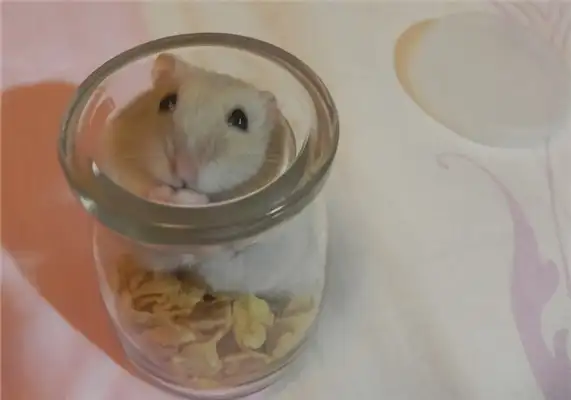
The milk hamster (Dwarf Winter White Russian Hamster) was named after a milk hamster because the overall color of its back was very similar to that of the pearl tea we drink daily.
Some of the milk teas are known as winter whites, where the hair of the body becomes white like a silver fox in a short period of time when winter temperatures fall, but when the temperature warms, it will return to its original colour, so the feeders do not have to worry.
Chinese: Milk hamster
Foreign name: Dwarf Winter White Russian Hamster
Chinese alias: 3-line hamster
Context: Animals
Gate: Pipeline gate
Amen: Amen vertebrate Vertebrata
Outline: Breast-milk tea hamster morphology
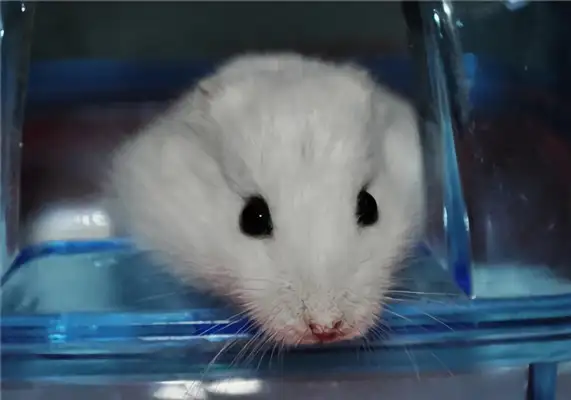
Milk hamsters are lazy. The reaction to the outside world was not very pleasant, and it was common to say that the hamster was more honest, or more stupid. As a result of the unknown name of the milk hamster, his mysterious background and the small amount of milk tea available on the market, the market price of milk tea once went after his wife's hamster.
Earlier, many of the rats had been less willing to buy milk for price reasons and lack of knowledge about milk hamsters, although the breeding of milk was similar to that of other three-line hamsters, and the number of milk tea was growing and was increasingly recognized by most of them, and many were proud to have a milk tea.
Milk hamsters have the best color for pearl tea, their eyes are black, their backlines are grey and clear, but there are parts without backlines (which some rat friends call excellent milk tea), which are the most beautiful of three-line hamsters. Milk tea hamster living environment
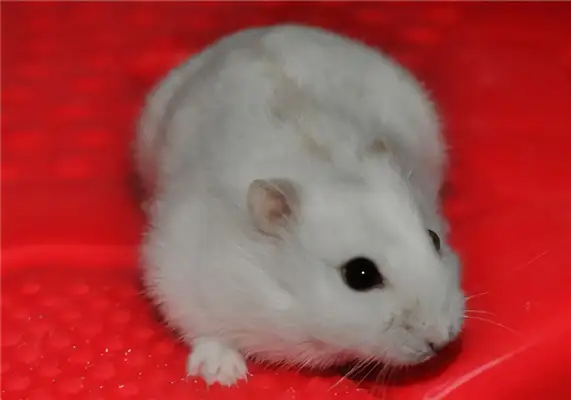
Milk hamsters are not very active species, but they are the most beautiful of three-line hamsters, which are not expensive and can be bought for dozens of dollars and are suitable for starters. So how do we set up a living place for the hamster before we raise it?
In the wild, the tea hamster prefers to live in grasslands, semi-deserts, agricultural lands, hill slopes and high mountains/single. Artificial breeding requires the provision of clean mats, wood crumbs can be the first choice, and occasional bathing is inevitable, but water washing is not recommended and it is preferable to use bath powder for sand bathing; because they store food in their cheeks, they cannot feed large quantities of fruit and sugar, which can lead to inflammation; they are best fed in specialized rearing boxes or boxes with transparent plastics; they are kept in a quiet environment where noise can kill them; and they are provided with small wood blocks to grind their teeth. The temperature in the breeding environment should preferably be between 18 and 26 °C and the humidity between 30 and 40 %. A milk hamster.
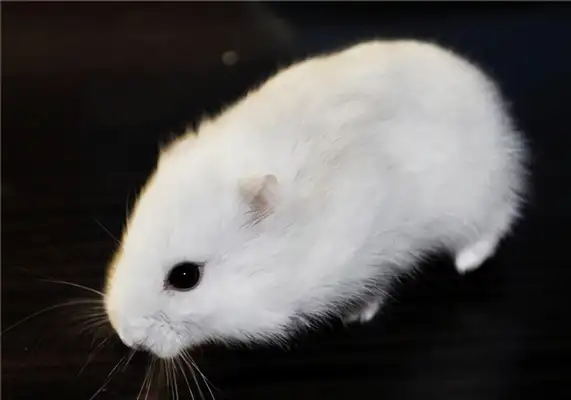
The milk hamsters have an average life expectancy of about three years, so when you decide to raise them as pets, you have to value the short time with them. The majority of the milk hamsters that are raised are warmer.
Milk hamsters are already common. However, many businesses use next-of-kin reproduction, which makes some of the teas poor, and there is also a migraine or autobiography, which should be distinguished when buying.
Milk hamsters tend to eat more impregnated (pregious) rodents, most of them at night or in the morning, but there are also many types of daytime activities. Winter activity generally decreases, either before the onset of winter, or when fat is stored in the body for insulation; or when food is stored in the autumn. Some of these mouths contain cheekbones that are temporarily stored in food.
They mainly eat a variety of weed seeds and foods, occasionally hunt insects, have the habit of storing food, do not sleep, and spend the winter on stored food. Artificial feeding can be provided to hamsters for their exclusive use or to grains. The hamsters are not allowed to eat food for human consumption. Measles, peanuts and other fire-prone foods are used only as snacks for training incentives and not as staple foods. Adequate drinking water cannot be broken.