Title: PET3419
National origin: China
Vulnerability to disease: end-of-life disease
Life: Overview of species of flower orchids 4-5 years
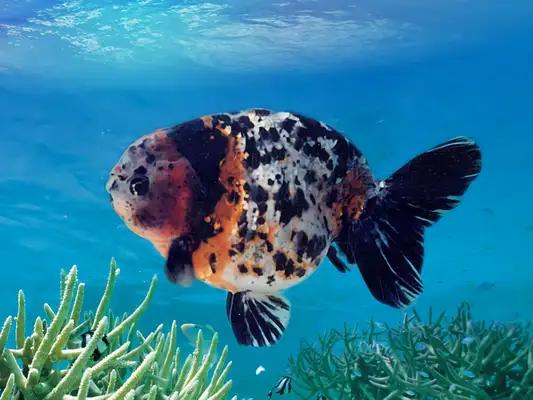
Faline life is one of the goldfish species and, since it is an egg-breeding goldfish, it is also a more distinctive species of goldfish. The greatest feature of the flower life is the head of a growing carcass, which is the key to the attraction of the flower life.
English name: Flowers Ranchu fish
Type: Goldfish, temperate freshwater fish
Origin: China
Reproduction: Eggs
Water quality: PH 7.2 ~ 7.5
difficulty of raising: easy
Fits to water temperature: 10-30°C orchids
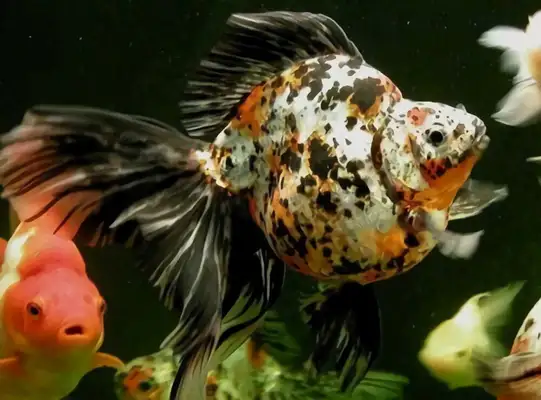
The shape of the flower orchids is very special, and the most developed carcasses of them. Ransui, which is already a more characteristic species of our country, is also very special in colour and is therefore very popular with goldfish lovers.
The flower life is 10-15 CM, with a large abdomen and short tails. The back glitter is arc-shaped, the head tumour is particularly well developed, the head tumour consists of dozens of strips or circle tumours, which are closely organized and very thick. The head tumour is wrapped in two cheeks, the eye is trapped in a tumour, the face is handsome and the back of the bend is very cute. The blue goldfish, a distinctive species of Chinese goldfish, is a popular species of egg-breeded goldfish. Orchid breeding environment
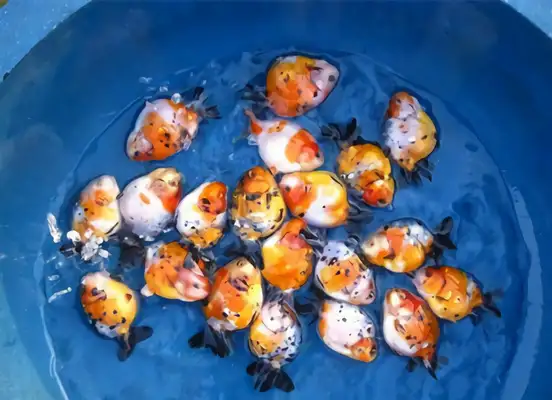
The environment in which flowers are raised must be sensitive and as stable as possible. Due to the unique head tumor of the orchids, which is a very special physical feature, which is also an important cause of their heading, attention must be paid to the environmental aspects of rearing.
The water colour is best maintained in green as green, with the observation of fish, when the water is too thick, and the effect on fish is bad. Too high the concentrations of green algae affect the breathing of raisins that live in orchids. Green algae are active at night when the green algae breathe too much. If so much oxygen is consumed, too high the concentrations of green algae cause a lack of oxygen in the orchids. Too high the concentrations of the algae have the highest levels of organic matter deposited into the bodies of algae, which can lead to an increase in harmful substances in water and affect the health of the orchids, and therefore when the water becomes deep green or when fish are no longer visible, it is better to change water to make the water lighter.
When green water breeds orchids, the water quality will start to be very stable, the water quality will deteriorate rapidly when the fresh color begins to swell, and the water quality will begin to deteriorate when there are undispersed bubbles on the surface. I'll have some.
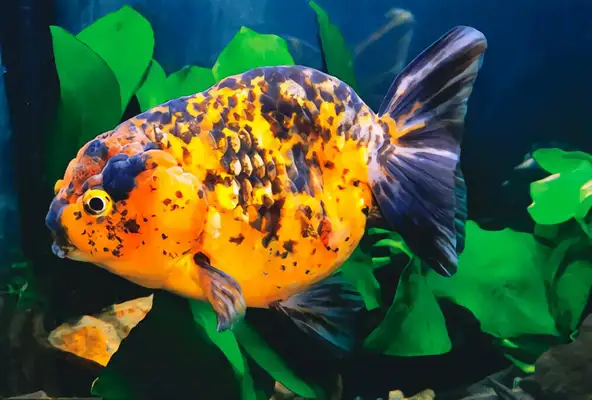
The shape of orchids is very special, they're very popular with fish friends, and the whole of orchids is very balanced and looks very beautiful. Whether it's an impulsive view or a side-view, it's a unique beauty. So how to feed orchids is a great concern for many fish friends.
Fish hatched from the ovarian membrane are not well developed and their organs can only sustain their lives by absorbing nutrients from their yolk sac, which have been absorbed for about three days, and the fins have become more well developed and digestive organs are embryonic and begin to take food from the surrounding environment. The period between the intake of external foods from the orchid to the maturity of the sex glands is approximately one year. The availability of food determines the survival rate of young fish. Young fish are baited with small, digestible zooplankton, such as worms and herbs. In the absence of such baits in the water, the option may be replaced by high-suspensive, mini-carp fish baits or decorated yolks.
In the formative stages of flower life, there is a large variety of foods, with larger phytoplankton and various species of plants common, as well as earthworms, skins, bean cakes, barley, barley and artificial feed, also eating mosses on the walls of the pool.