The problem of obese climbing is a challenge for many feeders. Obesity not only affects the appearance, but also increases the risk of joint burdens, respiratory difficulties and metabolic anomalies. For different species to climb, diet requires scientific, gradual, individualized programmes rather than simply “less feeding”. The following is an actionable approach, ranging from content focus, concrete measures to a complete set of responses.
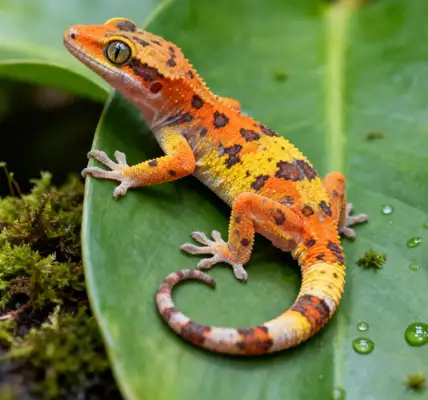
Content highlights and risks: excessive obese shapes, visible tail fats, reduced activity, skin loss anomalies, etc. can all suggest obesity. Obesity, if sustained, can induce such problems as arthritis, fatty liver and even affect reproduction and immunization. Assessment and diagnosis: First, identification of the current weight of the pet, body rating, daily feeding, activity level, defecation, and elimination of cogeneration factors such as parasites, chronic diseases, dehydration, etc. Veterinary doctors are required to perform medical examinations and brief laboratory examinations when necessary. Eating principles: gradual, slow weight reduction and total calorie control; preference for low-fat, high-fibre food structures to avoid high-fat and excess insects; regular fixed feeding, reduced snacks and unnecessary “comfort eating”. Movement and environment: Provide a climbing, exploratory stereo-environment to increase daily activity; optimize temperature gradients and UVB exposures to promote metabolism and vitality. Monitoring and adjustment: Establish feeding and weight log sheets to weigh and observe body changes on a weekly basis; adjust dietary intensity and activity to progress. Risks and attention: The weight reduction rate should be robust and avoid a one-time significant reduction leading to stress or undernutrition; ensuring that intakes such as adequate moisture, calcium phosphorus ratio and vitamin D meet the needs of the species; and prompt access in cases of sudden loss of appetite, continued sleep addiction, denial of food, etc.
The recommended measures provide a baseline assessment: record current body weight, body rating, body weight curve for the last six months, daily intake and activity, and capture “back-to-back” photographs. Set a realistic target of 0.5-1 per cent body weight reduction per week, to be assessed after 4-8 weeks. Adjustments are made in a timely manner if body weight decreases or fatigue occurs. Dietary structure optimization: Gradually replacing high fat and low fibre foods with options of higher fibre content and relatively stable proteins; insect foods are scientifically seasonally fed, as appropriate, to avoid excessive sources of fat. Feeding rhythm and control: use of regular feeding to avoid free feeding; minor activities after one to two hours of meals to help with energy consumption. Clean up the rest of the rest of the food and prevent the deterioration. Sports and stimuli: 15-30 minutes of active activity per day to gradually increase the volume of sport in combination with climbing, cave exploration, mobile mazes, eating games, etc. Environment and health maintenance: perfect temperature gradients, appropriate humidity, adequate shelter and safe climbing structures; UVB exposures are carried out according to variety needs; oral, skin and skin decorating are regularly checked to ensure normal metabolic. Gradual monitoring and adjustment: weekly recording of weight, body, level of vitality and intake; adjustment of feeding and activity intensity if body weight falls too fast or too slow; return visits to veterinary doctors to screen for potential diseases, if necessary.
Phase I of the complete response programme (phased, directly implementable): Preparation and baseline (week 0-1) diagnostic assessment: confirmation of the existence of metabolic diseases, parasites, etc.; recording of weight, body scoring, daily intake, activity level. Objective: To determine “target weight ranges” and “target reductions per week”. Diet and environmental organization: take an inventory of existing food types and remove the high fat and low fibre options; modify the environment to create temperature gradients and climbable structures. Logging: Establish feeding and weight logs and photograph weekly comparisons.
Phase II: Gradual reduction of the beginning (weeks 2-4) dietary adjustment: reduction of the total daily calorie to the initial level of the target zone, priority to maintain a stable protein level and increase fibre sources (e.g. green leaf vegetables, suitable fibre plants). (b) Timing of feeding: use of time-fed feeding to avoid one-time over-feeding; selection of well-nourished gut-loaded insects for insect feed to control total infestation. (b) Campaign strengthening: a daily schedule of regular activity hours, designed to climb, explore, eat and gradually increase the difficulty and duration. Health observation: a weekly weighing, recording of body and mental state; suspension of weight reduction programmes and medical treatment in the case of visible signs of pain, breathing difficulties or denial of food.
Phase III: Consolidation and fine-tuning (weeks 5-8 and beyond) to assess progress: If weight falls in line with expectations, the current strategy is maintained and gradually stabilized within the target area; if progress is slow, fine-tune daily heat and increase activity intensity to ensure that it remains safe. Long-term maintenance plan: after attaining the desired weight, change to maintenance model to maintain moderate daily activities and regular feeding and avoid rebound. Periodic visits: review of weight, body, skin and health indicators every 1-2 months and adjustment of nutritional formulations, as necessary.
Individual recommendations (quick points of diversity) take the example of land-based lizards such as Bearded Dragon (guanas): increase green vegetable intake, reduce insect proportions and avoid fat deposition at the tail base. # To provide sunbath and warm sun # The example of Leopard gecko is: to avoid over-fatous insects and to maintain temperature stability; and to feed mainly with a variety of small-scale foods. Corn snake, for example, reduces the frequency of feeding, focuses on body and body weight stability, ensures moderate temperature and humidity and avoids over-feeding leading to fatty liver disease.
Carnation suggests that any weight reduction programme should focus on the health of the pets, and should be attended in a timely manner in the event of a lack of food, a marked decline in mental wellness, a rapid loss of weight and abdominal discomfort. Moderate water management, calcium phosphorus ratio and vitamin D intake are equally important, particularly in balancing UVB with lighting. Records are key to success. Continuous record-keeping and comparison will help you see real progress and make adjustments more precise.