No.: PET5120
English name: Danio rerio
Origin: Bangladesh, India
Vulnerability to diseases: white spots
Life: 5-6 year Zebra species profile
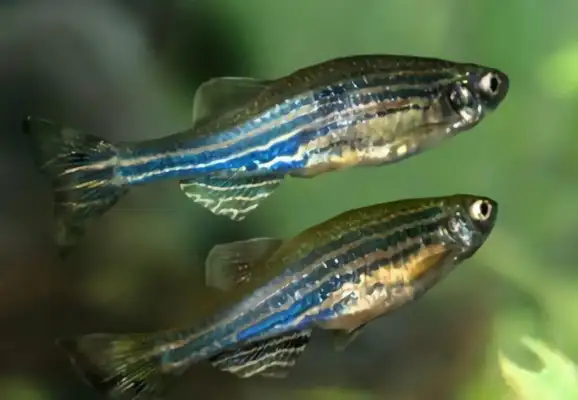
Zebra fish have deep blue stripes on both sides of their bodies and are bound by long strips of silver or gold, with water and grass in the aquariums, and are swarms of Zebra fish that run like Zebras on the savannah, which is very interesting. And it's called zebra fish.
Chinese name: zebra fish
Distribution: streams in Bangladesh, India, Pakistan, Myanmar, Nepal
Gate: Trondata Gate
FAMAGE: Cypriniformes
Danio:
Not to mention: blue fish, flower fish, blue zebra fish, Indian fish, Indian zebra Horse. Fish
ANALYSIS: ANALYSIS
Latin name: Danio rerio
Context: Animals
Outline: Actinopterygii
Section: Cyprinidae
Zebra fish D. rerio
Amen. Characteristics of the vertebrate zebra
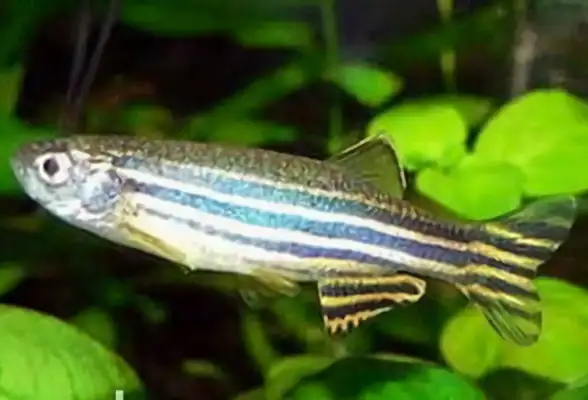
Even if the size of the fish is small, the small zebra fish are not only valuable but are now being used for scientific purposes and, because the zebra fish are transparent and visible, make it possible for scientists to observe the development of embryonic periods through transparent zebra fish. In addition, zebra fish are used as drug tests, etc.
Zebra fish are about five centimetres long, and males are smaller than females, but smaller. Zebra fish are extremely mild, small, very cute, and they travel almost all day in the aquarium. It is easy to raise and can be combined with other species of fish. In addition to being visual in nature, zebra fish have become a good research material in the study of ultraviolet, heavy metals, industrial pollution and radioactive substances because of their relatively stable genes. The benefits of easy reproduction and low costs can be good experimental materials. Zebra fish breeding environment
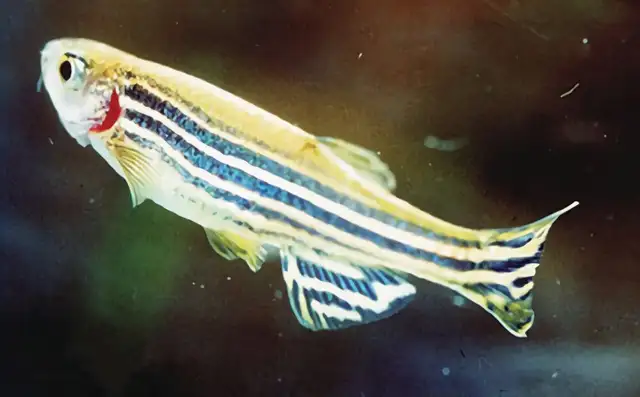
Zebra fish are mild, so they can be combined with other species of small, equally temperate tropical fish. Zebra fish are more resilient, so raising them is not difficult. So what kind of care does zebra fish need to be taken in raising the environment?
I. Zebra fish breeding environment
1. Water temperature control
The water temperature of zebra fish, which tends to be 20-25 degrees Celsius, is a subtropical freshwater viewing fish that is more chilly and able to survive at 10 degrees Celsius, which is also relevant to its origin in India and Bangladesh, where temperatures are low.
2. Prefer soft water quality
In fact, zebra fish need only be neutral, but soft water is more appropriate. At the time of reproduction, under a soft water environment, the zebra fish fertilisation and incubation rates can be significantly increased.
3. Special attention to juvenile fish
The newly hatched zebra fish are light yellow, see the beating heart under the anatomical lens, the flow of blood, and the fish lie silent under the water the previous few days, at which point they do not need to feed. Newly born small fish are highly vulnerable to disease, so management should be strengthened to prevent and treat diseases.
II. Highlights of zebra fish reproduction
1. Key selection of fish
In general, breeding starts with juvenile fish, with 20 to 30 tails of well-developed juvenile fish, and after four months or so of careful breeding, a better breeder will be able to obtain a better fertilized egg, the purpose of which is to raise a parent.
Two, it's easy to distinguish between males and females.
After several months of breeding, mature fish can be selected for reproduction. Adult females and males are easily identified, and females are the ones whose skin colours are silver gray and full-sized and loose abdomen. The abdominal flat body is long and the skin is lemon-colored male.
3. Successful spawning fertilization
They are separated for two to three days, usually separated from each other by glass so that they can see each other and then placed in the spawning tank by the mother at a ratio of 2:1 or 1:1, each female can produce nearly 1,000 eggs. Zebra fish feed points.
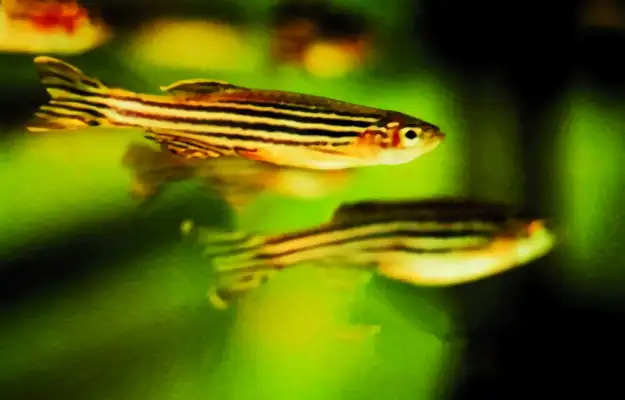
Zebra fish move almost constantly inside aquariums and are mild and small in size, making raising less difficult. Zebra fish do not eat, so simple feed can satisfy this small-sized nutrient.
Zebra fish are fairly simple to eat, either natural bait or artificially fed to meet their growth needs, and Zebra fish feed. Food is not fed too hard, depending on the type of food, the number of feedings can be determined, the average feed can be repeated in one day and the living worm can be fed once a day, the best feeding time is three minutes, and the number of feedings needs to be increased before and after the eggs are hatched.
The water temperature that breeds zebra fish is about 25°C, and it is not until seven to eight days after the fish hatch that the fish begin eating, at which point they are fed to egg ointment and later to small fish insects.