No.: PET4911
Vulnerability: gastrointestinal diseases
Life: Overview of silver-coloured gill rat species 3-4 years
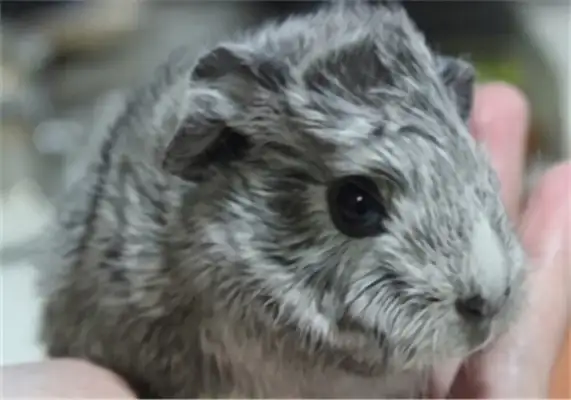
If you're sure you want to raise it as a pet, you have to make sure that no other animal, like a dog or cat, has a chance to hurt him.
Silver-coloured gill rats, hairy, stabbing, alias Dutch rats, Dutch pigs, dolphins, guinea pigs, their ancestors came from the Andes in South America and were brought to the West by European businessmen in the sixteenth century, when they were used as pets.
Silver gill rats are warm, cute and easy to take care of, and are still common domestic pets. Some of the world ' s organizations struggled to breed guinea pigs, and a variety of hairy and diverse varieties were cultivated. Silver hair-strangling genre morphology
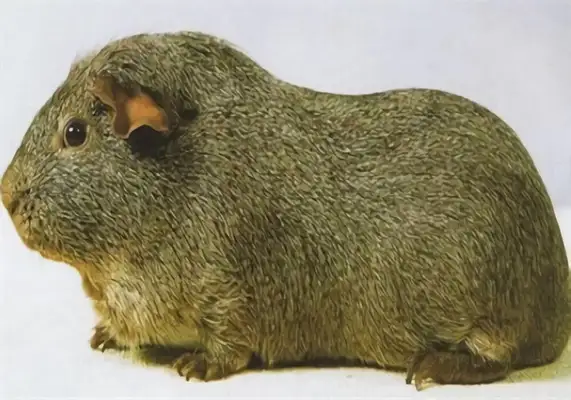
The ideal length of silver-coloured gill rats should be in the range of 22-34 cm and the ideal weight should be in the range of 400-700 g. Silver-coloured mahogany is in silver white, with stiff hair, prickly shape, short, thick and round.
Silver gill rats have larger heads, big eyes and bright eyes, earring, split upper lips, small ears, short limbs, four toes to the front, three toes to the back, no tails.
Silver-coloured carcasses are abundant and were cultivated after their transport to Europe and North America. This is mainly reflected in the separation of hair and colour. The most common pet species are the English silver-coloured gill rats, which are short, smooth and the hairs of the Abyssinian species are not smooth. Peruvian and herleti species are also common pet species. It's a silver-coloured mahogany.
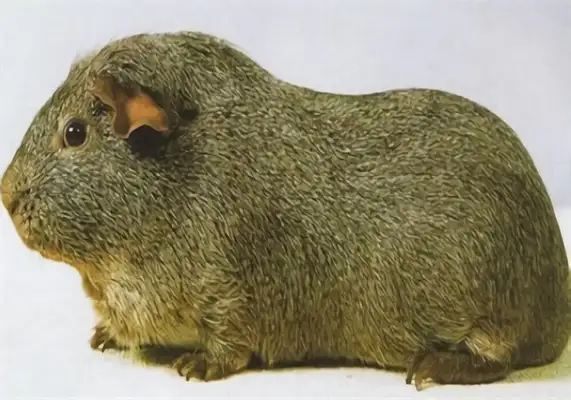
If you're looking for a quieter life, but you're trying to raise a non-chaste pet, it's definitely the best thing to do. The fat hogs are clumsy and cute, but more popular than the traditional ones.
A silver-coloured gill mouse can grow healthy and happy by preparing a suitable cage, supplying fresh water and food every day, often playing with it, and regularly cleaning its nests. It is important to note that high temperatures in hot summer breeding environments make it easier to heat up and the maximum temperature a dragon cat can withstand is below 32 degrees. Winter temperatures are as low as 5 degrees. They feel comfortable between 18 and 22 degrees. The silver gills feed the points.
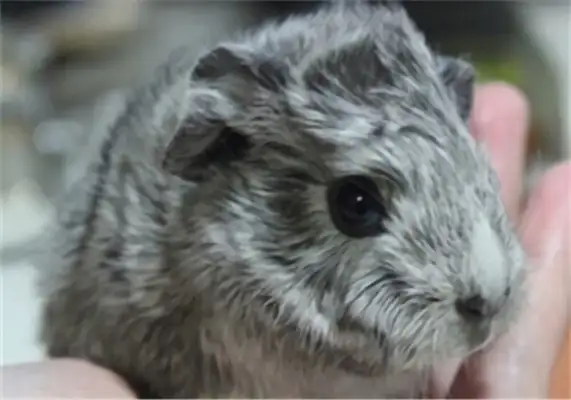
Silver gills are herbivores, and if you get a chance to take it out and put it on the lawn, they'll be happy. They are not recommended for medication, however, after all, there are more pesticides and bacterial viruses in the open grass.
Skyhogs growing in the wild are fed mainly by grass and some plants. However, although these plants contain abundant natural fibres, the other nutrients are significantly less than the special feed in heaven. Vitamin C is essential for the skyhogs, an animal that cannot synthesize vitamin C itself, so they keep taking vitamin C from the feed.
Vegetables and fruits are also the love of silver-coloured gill rats. For vegetables, silver-coloured maggots prefer lettuces, carrots, cucumbers, etc. The three types are not harmful to silver-coloured maggots if they are fresh. Carrots contain a large amount of ulcer required to form vitamin A, maintain skin and mucous membrane health, protect eyes and promote metabolism. However, because the carrots are harder to digest, they cannot be fed much.
A silver-coloured gill is about 80-150 ml of water per day. You don't really need to know the amount of water it needs, just keep the water on the water, it drinks when it's thirsty. However, care is taken to keep the waterers clean and to change water frequently. In areas where the quality of piped water meets international standards, piped water can be given directly to them, otherwise they are given to drink cold or mineral water. Note that distillation is not a good option because it does not contain minerals and trace elements.
If you can see your silver gills 24 hours a day, it's better to eat less. If you're a workman, you have to have two meals a day. Whether or not the silver stinger finishes the food in the bowl, the leftovers must be poured out for the next meal, as the rest of the food is not fresh due to prolonged exposure to air.