It is the desire of every pooper to eat and drink well and sleep well.
But if a normal, good cat suddenly doesn't want to eat for no reason, the thinness visible in his eyes, and he can't eat enough to feed himself, will your heart pick up?
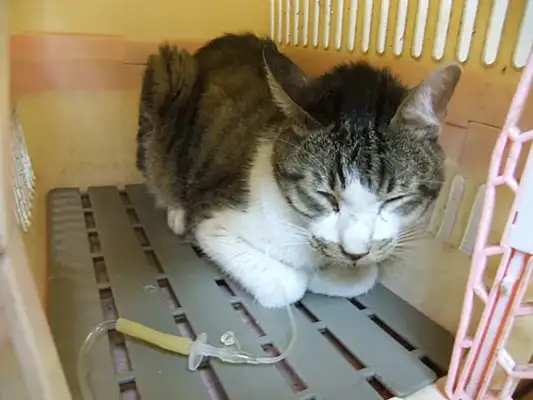
If you don't eat, you don't even drink, you have to rely on the fluid to keep your body water.
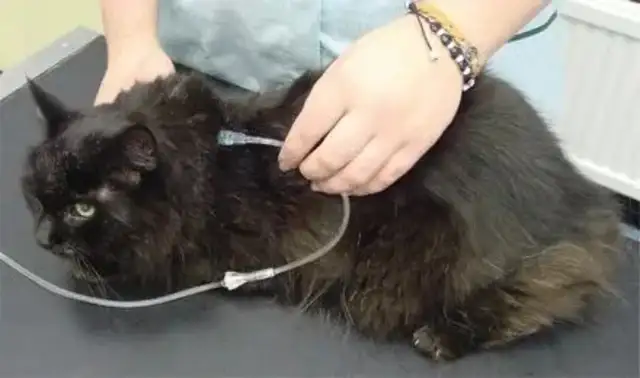
The hair is dirty and the mouth stinks.

The body was so thin that it lost its muscles that it had to do its best to stand up.
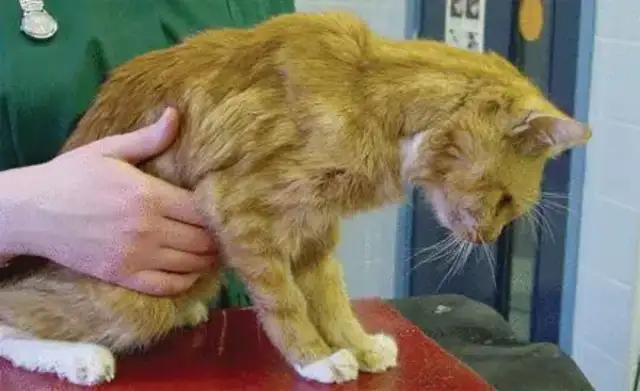
These heart-wrenching cats are those who suffer from chronic kidney disease.
As one of the common diseases of cats, chronic kidney disease is not easily detected at an early stage and is completely undifferentiated from the outside, but it continues to deteriorate. By the time there were obvious symptoms, the situation was no longer promising.
In order to increase the awareness and understanding of the chronic kidney disease of cats and cats, and to prevent it before it occurs, today the Cowboys come to give us a look at chronic kidney disease.
 What's chronic kidney disease?
Chronic kidney disease (CKD, Chronic Kidney Disease) refers to persistent structural abnormalities or loss of function of the kidney. Chronic kidney disease is defined as loss of kidney function of 30 per cent or more, with a duration of more than 3 months.
According to statistics from a chain of pets in the United States, the number of cats diagnosed as CKD in all cases is 1.5%. In this 1.5%, cats over the age of 10 make up 81%.

The incidence of chronic kidney disease among cats increases with the age of the cat, with the probability of CKD reaching over 15 years of age ranging from 30 to 50 per cent.
The chances are the same for both male and female CKD, but it's usually the public cat that gets CKD when you're young.
Some species have a natural tendency to have CKD, such as Maine Cats, Abyssinian Cats, Siamese Cats and Russian Blue Cats.

If the cat suffers from CKD, the kidney function that has been lost will be permanently lost and irreversible.
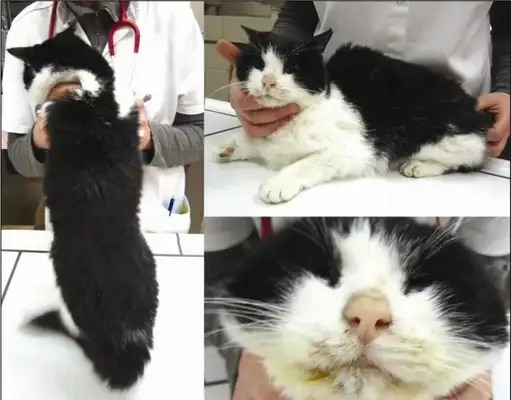
Skinned, luminous and partially stripped,
What are the clinical symptoms of chronic kidney disease among snotous and saliva-bound cats?
Weight down, appetite down, high blood pressure.
Smacked, sleepy, vomiting.
Mouth stinks, weakness, anaemia.
Multiple urine (reduced urine concentration)
Thirsty (drinking, reduced urine enrichment, compensated by drinking more water)
In the final stages of life, there are symptoms of no urine.
Respiratory odour of urine poisoning (a bad smell of ammonia in the gas from cats) or oral ulcer can sometimes be observed.
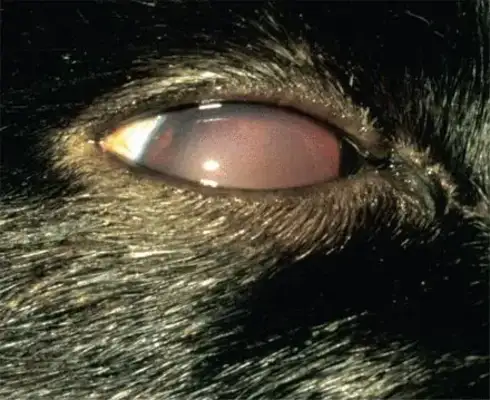
CKD, with high blood pressure, blood in front of the eyes.
These symptoms are often ignored by the owners at an early stage of the CKD as normal manifestations of ageing.
But when there are obvious clinical symptoms, such as sleep addiction, weakness, anorexia, excessive urine, significant loss of body weight, vomiting and dehydration, they may have developed to CKD3 or even phase 4, and cats may have lost more than 75% of their kidney function and must be brought to hospital for timely examination.
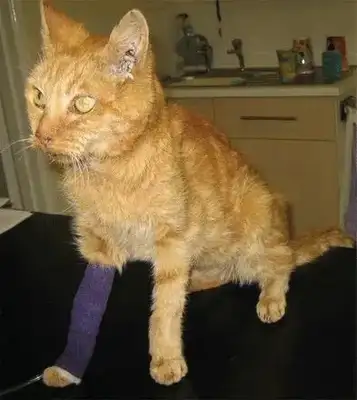
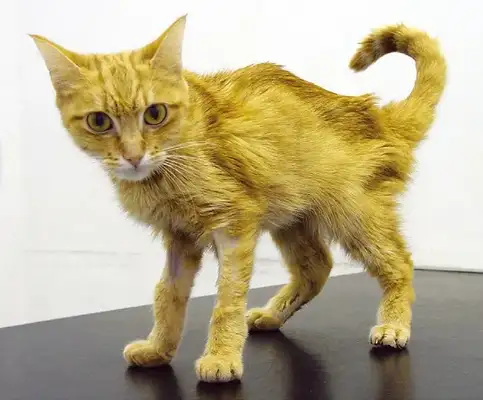
A cat with a CKD, four limbs and fur is in bad shape.
Dehydration also occurs.
The International Kidney Association (IRIS) has established a classification of cat kidney diseases (based on serum acetic anhydride and SDMA concentrations), which can be determined by a biochemical examination of the cat by the veterinary doctor, which is very simple.
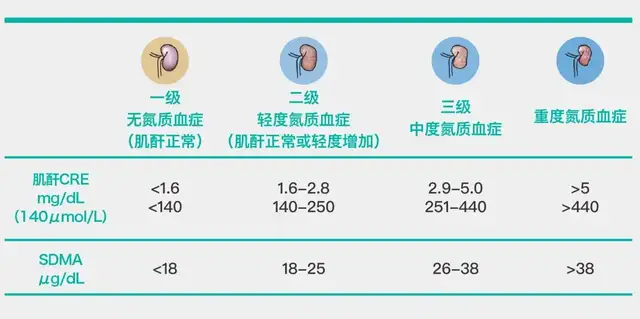
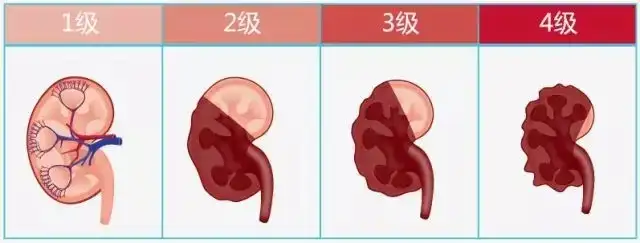
And the time of survival of the sick cat is associated with the classification of the cat CKD.

According to this table, if the cat had been in CKD 3 or 4, it would have been less than two years before Death took the fur ball!
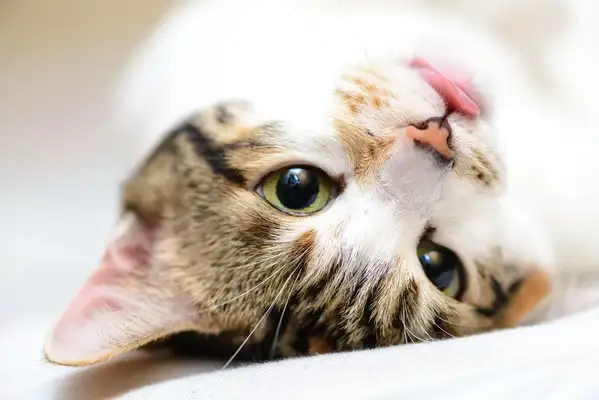
If the cat's unluckyly diagnosed with CKD, the scavenger must comply and cooperate with the doctor!
For cats already in chronic kidney disease level 2 or above, the use of functional prescription foods can help to treat chronic kidney disease, prolong the lives of sick cats and improve their quality of life.
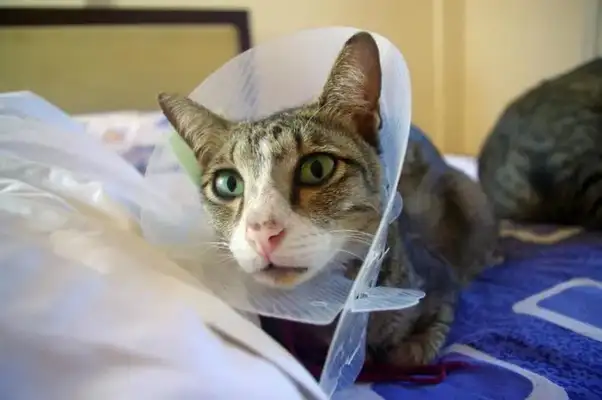
Ming Jing reminds us that we must not think that our cat is young, that we do not care, or regret it. What can I do?
Periodic medical examinations
Every year, cats are regularly taken to the hospital for medical examinations, and every six months the geriatrics are required to undergo one medical examination for blood, acetic anhydride, urea nitrogen, SDMA, ultrasound, blood pressure, urine routine, etc., with a focus on monitoring changes in liver and kidney indicators.
Cats can be suspected to be at the CKD1 level if the following indicators appear at the same time following veterinary examinations:
Anomalous kidney morphology has been detected in kidney areas or through ultra-checked B;
Ongoing kidney protein urine;
Reduced urine enrichment capacity;
The SDMA/ serocelline acetic anhydride concentrations, although within normal values, can be seen to increase over time.
Drink more water and observe urine.
Making cats drink more, feeding cats to cans, bags of wet food, etc., rather than just dry food, can significantly reduce the probability of cats suffering from diseases of the urinary system.
※ When you see cats drinking water in the toilet every day, you have to be careful and familiar with the master's pee patterns.
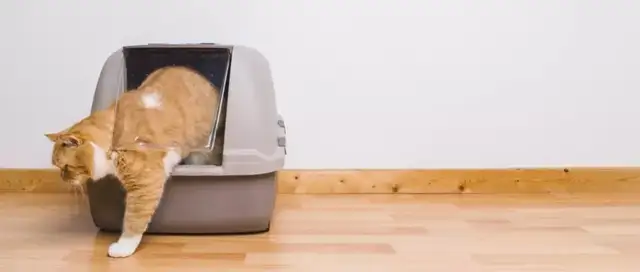
Cats have about 24-48 ml/kg urine per day, and the amount of urine is closely related to their diet and mobility habits.
Because each cat's life habits vary, the owner has to keep an eye on how much urine the cat is in normal condition, which can be quickly detected when the cat's urine is significantly reduced.
If a significant increase in the number of cat entries to and from the cat cisterns is observed, recording the number and frequency of cat cisterns entering and entering normally can also help to judge.
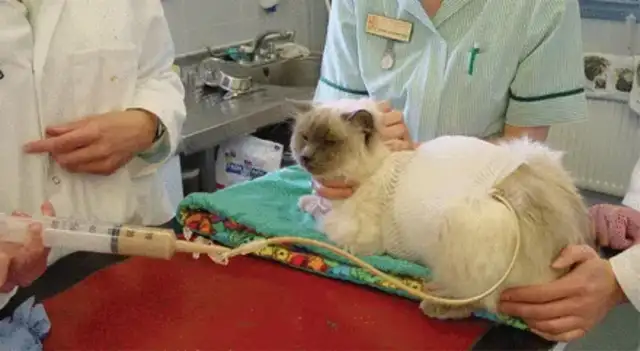
Once CKD is found, prompt and active treatment is required, early diagnosis can significantly increase the life of cats and improve their quality of life.
Cats are the ones who are most afraid of getting sick, and cats suffer apart from their wallets.
So you can forward this article to the shit-throwing officer next to you and do your homework in advance, and cats can suffer less.
Reference: https://www.vettimes.co.uk/article/health-development-of-effect-of-effect/https://infactice.bmj.com/content/38Suppl\3/2https://blog.xiite.net/alsuka/blog/38185997https://biblio.gent.be/publication/4372924/file/4392937.pdfs://www.vet.cornell.edu/departments-centers-and-institutes/cannell-fine-health-center/health-information/feline-health-topics/chronic-kidney-health# ~text=Cats-cent-and-institutes/cant/cannell-health-health-health/health-information/C20/Cmight20%20/Add.pdf/Cm20%20 %.
The conservation of the pets is reviewed by Master of V.M.
If you're wrong, welcome!