Designation: PET5184
English name: Varanus salvator
Vulnerability: cartilage, parasites
Life: Overview of the species of iguanas from 6 to 10 years of age
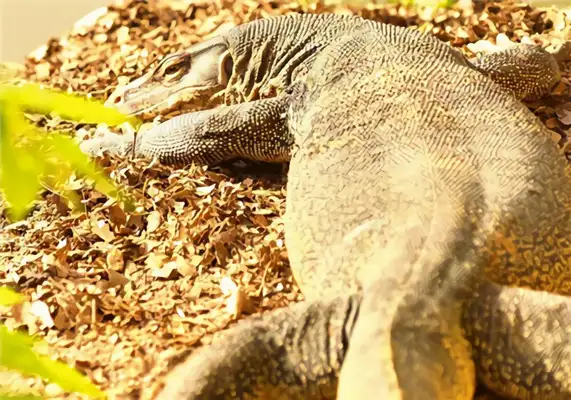
Varanus salvator prefers to live in a swamp area, a large lizard weighing approximately 25 kg. The iguanas are divided into seven sub-species, but the colours and stripes vary among the sub-species, with the whole body colour being almost predominantly black.
Chinese name: Iguana Sawa
School name: Varanus salvator
Section name: Giant lizards
Yes: Iguana Zawa
Distribution: Sri Lanka and India via South Central, South China, Hong Kong, Malay to Indonesia and the Philippines. Iguana-type characteristics.
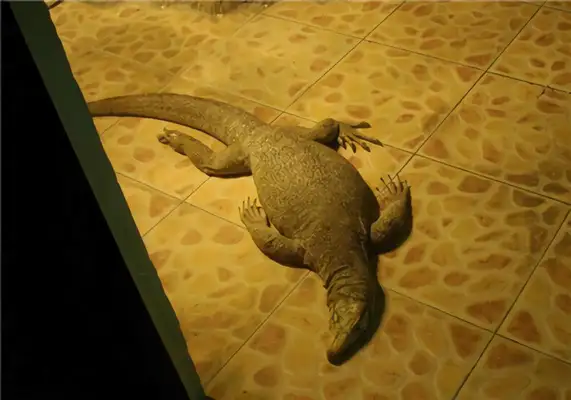
Iguana Zelig is the most gentle type of iguana, and the male is a little larger than the female iguana. Males can reach 100 - 130 centimetres and females can grow 50 - 120 centimetres.
The size of the iguana is relatively long, with large individuals weighing about 25 kg, long kisses, full nostrils and position closer to the kiss. There are seven sub-species, but the colours and stripes vary from one sub-species to another, with the whole body colour being almost black. Zeguana living environment
Although iguanas are one of the most economical pets, care must be taken before deciding to raise them to ensure their environmental and economic satisfaction. It is important to follow the principle that the equipment is still intact and that the food and grass must be prepared to purchase the iguana. In the wild, iguanas are often found in near-water areas, such as water fields, near rivers or mangroves, and are good at swimming, often swimming in water. Iguana Zawa has knowledge.
If you're going to have a glamorous lizard that doesn't eat, it's definitely a lizard. Owing to their non-sorting habits, iguanas can live in marsh areas where large animals cannot survive. The iguana can eat anything that can swallow like fish shrimp, crabs, birds, eggs, lizards, rats, frogs, snakes, even dead bodies or garbage.