European Shortcats have become a very popular pet cat breed with their healthy physical, intelligent minds and loved ones. They have a long history and are a traditional cat species in the European region. As a native species, European hairy cats are not only resilient, but also extremely cold-tolerant cats, who are well-loved. This will provide a detailed description of the species, including their overview, character characteristics, breeding techniques and hair care. Overview of species
Europe's hairy cat originates from Europe, particularly from Northern and Central Europe. At an early stage, such cats are usually used as domestic cats to catch pests such as rats and become family pets. Europe's short-haired cats have a similar appearance to wild cats, but they have evolved through centuries of artificial breeding and selection to show more unique character characteristics and appearances.
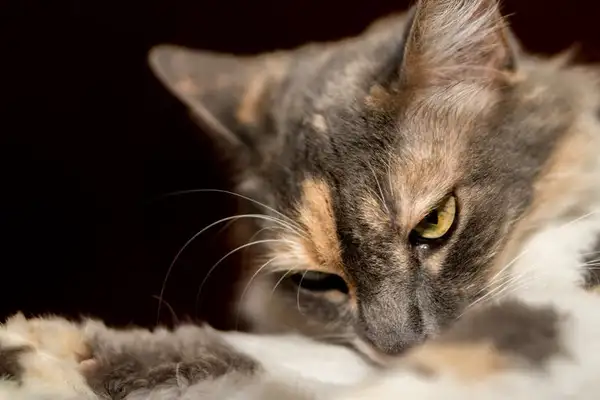
The medium-sized, well-established, muscular, four-legged, wide-breathed and balanced body size of the European cat gives a very strong impression. Their hair is short and dense, usually smooth and soft. Cat eyes are usually round, colorful, straight ears. The variety of hair is very rich, ranging from monochrome to stripes, spots, plasters, etc., and even includes some rare stains. Character characteristics
Europe's hairy cat is deeply rooted in its kinetic and gentle character. Compared to other cat varieties, they are better placed to build deep feelings with human beings, especially within the family, where they can be good partners with family members. The following are some of the main characteristics of the species:
Smart and curious: Europe's haircats are smart enough to understand instructions quickly and have a strong learning ability. They like to explore new environments and things and are very sensitive to changes around them. Because of their curiosity, they often take the initiative to explore every corner of the house.
Gentle and kin: These cats are very close to human beings, especially when they like to spend time with people. They do not stand alone like certain cats, but rather like to be close to their masters and enjoy moments of touch and embrace.
Adaptive power: European hairy cats are well adapted to the environment, whether they live in apartments in cities or in free spaces in villages. They do not put too much pressure on new environments or changes.
lively and independent: while they like to live with people, they do not need to be too dependent to play independently. They are often able to enjoy themselves and enjoy themselves. Livestock techniques
When raising European haircats, attention needs to be paid to ensuring their health and well-being. The following are some of the practical rearing techniques:
Dietary management: European hairy cats have a relatively good appetite for all types of cat food, including dry and wet food. The owner should choose the appropriate cat food according to the age, weight, activity, etc. of the cat and maintain regular feeding times. Avoiding over-eating of cats leads to obesity, as the metabolic rate is relatively low. Fresh water is provided daily and food quality is regularly checked.
Appropriate exercise: Despite the natural vitality of European hairy cats, they are not always too high. The owner can provide them with interactive toys, such as laser pens, feather sticks, toy mice, etc., to stimulate cat hunting instincts. Regular play not only helps cats to consume excess energy, but also helps to build relationships between owners and cats.
The social needs of cats: European hairy cats, though family members, are not particularly dependent on their owners, so they are well adapted to their isolation if the owners go out for a long time. To avoid being alone, cats can be offered some company, such as another cat or toy suitable for them. Long periods of isolation can lead to anxiety or emotional instability for cats, and owners should try to ensure that their emotional needs are met.
Health surveillance: It is important to take cats to veterinary clinics regularly, especially when they grow older. Conventional vaccination and deworming are essential to maintaining the health of cats. The owner should be aware of changes in cat weight, appetite and defecation in order to detect potential health problems in a timely manner. Hair care
European hairy cats have short and dense hairs and are not easy to tie, so their care is relatively simple. Regular hair care is still necessary, and the following are some important recommendations for care:
Regular combing: Although Europe ' s hair is shorter, regular combing can remove impurities and dead hair from hair, keep hair bright and reduce hair loss. Especially during season shifts, combing can help to reduce the number of hairs scattered around the home.
Bathing and cleaning: In general, European hairy cats do not need frequent bathing. They are themselves very clean and usually clean their own hair. If cats are particularly dirty or have special needs, they can be given baths, but special cat shampoo is used to avoid the use of products that stimulate their skin.
Ears and eye care: cat ears and eyes are susceptible to dusting or secretions, regular checks and cleaning of the area around the ears and eyes can effectively avoid infection. Be careful to clean ears and avoid damage to ears.
Nail cutting: Although cats are born to scratch objects to sharpen nails, it is still important to trim their nails regularly in order to avoid their being too long, to influence their activities or to cause injury to their owners or families. Concluding remarks
Europe ' s hairy cat is a family-friendly cat breed that is gentle, smart and able to build deep feelings with its owners. Their breeding is not complex, but it still requires the care of the owner, good eating habits, proper exercise and regular hair care. As long as they are provided with a suitable environment, they will be strong partners in the family, accompanying their masters through every sweet day.