Title: PET1488
English name: Gyrinocheilus amonieri
National origin: Western Tsizuna, China (Lang Dynasty), Thailand
Vulnerability to diseases: albino disease, rotting tail disease
Life: Overview of species of larvae 4-5 years old
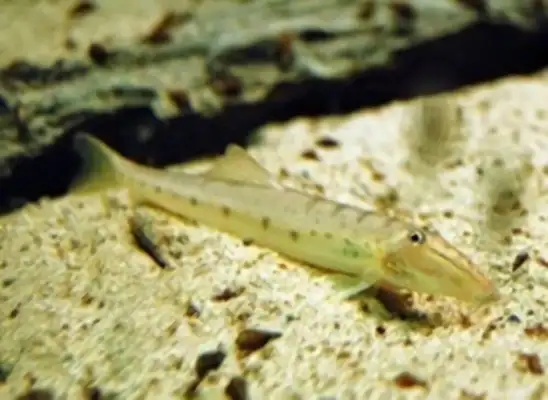
Ponyheads, also known as ponyheads, are grocer fish and are less difficult to raise, but they prefer clean water quality, so care should be taken in raising them. The methfish prefers to live at water temperature of 23-27°C in China, in China, and in Thailand.
Chinese literary name: rat
Don't call it horsehead.
Gate: Pipeline gate
Syndicate: Sculpture
IM: Wall
Yes: Yes, I am.
Latin: Gyrinocheilus amonieri
Context: Animals
Amen: vertebrate Amen.
APOA: Apocalyptic fins
Section: Xianxi
Castes: larvae pheromones
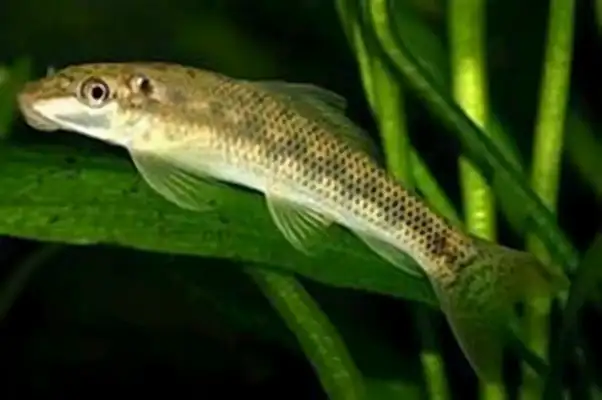
The adult size of the rodent is up to 180 mm, which is less difficult to raise, and is considered to be an ulcer fish. The mosaic fish living on the sandy bottoms of the river are moving by slant-to-sort mouths, such as watergrass and rocks.
The mackerel's a little sharp in front of the kiss. Invisible, visible, clearly in the back of the head. At the lower end of the mouth, the upper lip edges are sprawled and thin, with the side end connected to the base of the mouth. Deep behind the lips. 3 pairs, 2 pairs and 1 corner. The back fin has a small outer edge; the left and right of the chest fin has a tight base * together; the abdominal fin is small and the right and right base is close; the hip is short; and the tail fin is deep. The body is thin, the head is flat. The side line is flat, with more than a dozen small black spots along the side line, and several large brown spots visible in the back. There are two black stripes to the edge of the kiss, each of which is light brown and unscathed. Rat-fish breeding environment
The breeding of rodent fish is relatively easy, but the artificial reproduction of rodent fish requires attention to the breeding of water and the environment. A common rat-fish can grow healthy if it is managed to maintain environmental stability. Rodents, which live at water temperatures of 23-27°C, are food-eating in areas such as China, China, and Thailand. Living in the shallow waters of the river's sandy bottoms, they move on the basis of a slant-like mouth that is tilted down, adhesive to watergrass rocks, etc., while eating moss or surplus food to remove aquarium waste. The best water temperature is 23-28 degrees. A mosaic.
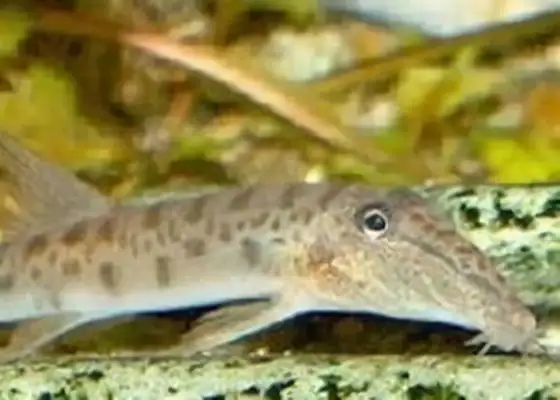
The larvae are considered to be groceries, and it is generally easier to raise them if they are provided with clean water quality. If weeds are raised in aquariums, they eat the moss in the aquariums or the rest of the food, which helps clean the aquariums.
Rodent fish are easily raised and fit for clean water quality. Watercrawlers should be aware that the grass that has just been planted, or that the sand is not thick enough (below 5 cm), is better off choosing a mosaic because he will compete with the same people and he will turn it over. The mice are afraid of oxygen deficiency, and they don't float, but suffocate in water. Due to sexual violence after adulthood, small fish are sometimes eaten or attacked by large fish, requiring attention.