The dog's nails are longer and longer if they are not regularly trimmed, as it is now difficult to wear them on the ground because many of the pet dogs are moving indoors, usually with the help of the master to avoid slippages, but with some small detail to avoid the dog being afraid of cutting them because of an unpleasant experience.
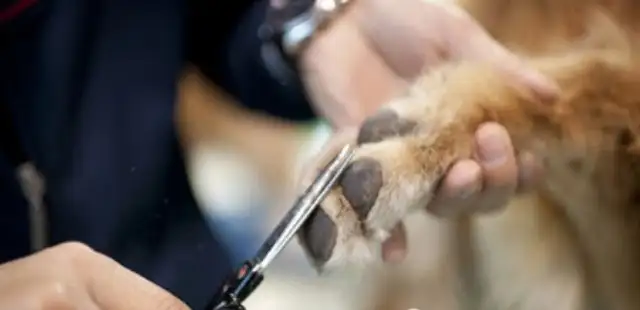
Why cut the dog's nails?
1. The fragile ground
For dogs often operating indoors, the length of the fingernails may cause them to hold the ground unsustainably, the movement may be accompanied by slips or wrestling and, if careless, may result in fractures, thus making it more necessary for the dog to trim his fingernails on a regular basis.
2. Vulnerable floors
A dog's fingernails, if not trimmed for a long period of time, may also accidentally hurt himself while being with a person and may typically scratch the floor, so cutting the fingernails for the dog at home is one of the small details that are often noticed.
Three. Wolf claws.
Dogs have a degraded toe, commonly referred to as wolf claws, which, because they do not normally touch the ground, do not have the ability to wear their fingernails with their usual activity, which, if they have not been trimmed at all, can be inserted into the meat, causing long-term pain to the dog and even haematitis.
Help the dog with the nails.
1. To familiarize dogs with tools
Take a fingernail knife and touch the dog's claws from time to time, and let it get used to it. If the dog is afraid of the nail knife, then don't cut the fingernails for the time being. It's true that when you touch the dog with a fingernail knife, the first step is done.
2. Touch dog claws
To touch the dog's claws often, like playing handshakes with it, untrained dogs start to act nervously, but as long as the master insists on shaking his hand with the dog every day.
3. Selection of suitable equipment
Dogs have forknails and nail nails, but both are the best of many. The owner of the dog can choose a method of mastery and not cut his fingernails when you have not fully learned to use them.
4. No forced nail cutting
It is dangerous for some of the dog owners to try to tie up the dog or restrict its freedom and then trim their fingernails, because it makes the dog feel afraid and uncomfortable, and it struggles more intensely or has since created psychological obstacles and even an aggressive tendency to cut them.
Five, no rush.
At first don't ask too much for yourself, but if you cut it, you can reward the dog, and you can cut the fingernails of the four feet several times, even one at a time, depending on the dog's reaction.
Six, don't cut for too long.
Because your skills may not be very good, and the dogs may accept your operation in uncomfortable positions, so don't cut it for too long, which would ease the unpleasant experience of the dogs.
What if the dog doesn't like to cut his nails?
One, put the dog high.
When cutting toenails for dogs, you can put the dog on a higher platform, or on a smooth surface, so that the dog has to try to keep his body balanced. Because dogs are afraid of heights, they are more honest in higher places.
2. Trained persons
Professional hairdressers are able to complete this nail cut successfully with a general understanding of the dog and a certain amount of expertise. So if your dog is very resistant to you cutting his fingernails, you might as well call on professionals to do the job.
3. Changing Protection Awareness
At an early age, the dog's claws are often touched so that it can change its protective consciousness as soon as possible. Or you can use a nail knife to play with it on his fingernails, to make it feel like it's a normal thing to touch claws, making it less difficult to cut a dog's fingernail.