Designation: PET1451
English name: Introduction to Emberiza aureola yellow breast curry
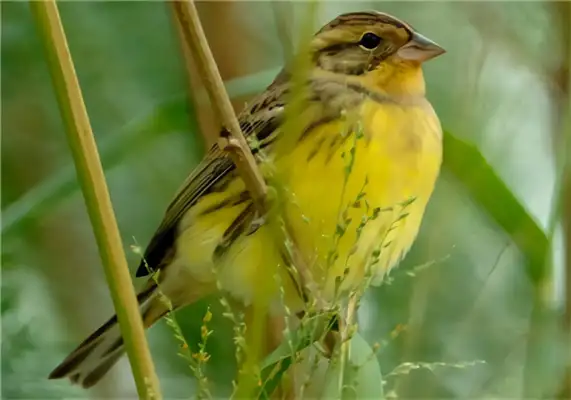
Emberiza aureola, alias, currently has two sub-species, which, for various reasons, are now in danger of extinction within 10 years. The species is now included in the List of Land-based Wildlife that is useful or of significant economic and scientific value for national conservation. At present, yellow chestnuts are mainly located in northern Europe to Siberia, northern Japan and China, and winter in India and elsewhere.
Chinese literary name: Yellow breast
Chinese alias: Courage, hawk, hawk, soybean petals, hawk, old iron back.
Emberiza aureola
Area: Animal
Door: vertebrate door.
Platform: Birds
I can't believe it.
Section: 鹀
Yes: Yes
Speculation: yellow breast
Distribution: Characteristics of the yellow breast morphology of the Korean peninsula and the Japanese archipelago and the thousands of islands
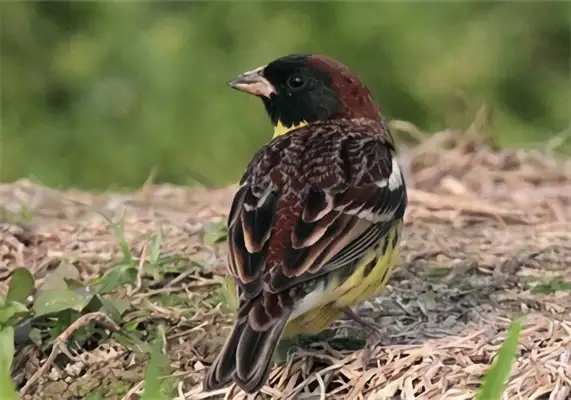
The yellow chest is very similar to a sparrow from the back and belongs to small birds, with a size of about 15 cm. The more typical feature is that the bird's lower body, especially the chest, is light yellow.
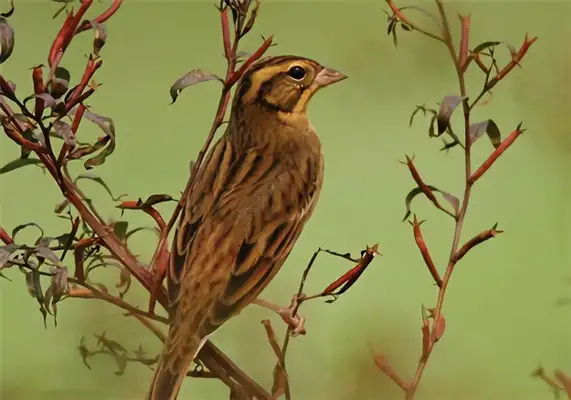
The male head, head, twilight, larynx is black, head and upper chestnut or red; the tail is black and brown, with two pairs of tail feathers on the outside, and the wings are black and brown, with a narrow white band and a wide white wing. The lower body is yellow, and the chest has a deep chestbrush. The female has a tan or tan on her body, a thick, black-coloured central corset, a red waist and tail-covered plume, two wings and a brown tail, a wide white end of the plume, and two light wings with a narrow brown end of the plume.
Females and submersibles with a slightly dark toplined coronary on both sides; more visible eyebrow skin colours; slightly light back colours and vertically taught male birds; white spots and wings on shoulder are darker than the grey of male birds and darker yellow below. Both the male and female sides of the waist and tails are scarred; two pairs of wedges are detected outside the tails. The white spots on the flight wings are visible, matching colour and are the main characteristic of identification. It's gray, it's brown; it's light brown. Yellow breast care environment
Since yellow chestnuts are already protected by the State and are no longer allowed to be raised as pet birds, but there are still a lot of people to raise them, what kind of breeding environment should they provide?
The yellow chest is a grain-eating bird with a small amount of dung drying, and it is useful to use a closed cage. A single male bird can be used as a canary cage, a swamp canary cage or a canary cage. In pairs, artificial reproduction can be carried out using canary breeding cages or cages of ten sisters or greybirds. Yellow chests are open in bowl-like nests of nature camps, so canary canaries should be used. To hide, to hide.
Yellow braids are generally not bathed in water, but the bottom of the cage is fine sand. In order to keep the sand clean, it should be replaced once a week and food and water should be cleaned up every other day. As many sunbaths as possible, but the sun cannot be fired in the summer, otherwise birds will die of thirst as a result of evaporation. I don't know.
A large number of people raise yellow pecan, mainly for the purpose of viewing, and therefore the male bird has a high rate of rearing, which is mainly a cereal, so the excreta is scarce and easier to manage. Some people raise yellow bras to watch. There are also parts of the population that reproduce, and the food that is fed should be different when the purpose is different. Seeds of grain and weeds, such as corn, grains, rice, sorghums, sorghum and weeds, can normally be fed. One, preferably proportionally.