Of course, this will bring you a detailed introduction to the leopard palace, hoping to meet your needs.
Panthers: An elegant and charming climber.
I. Overview of varieties
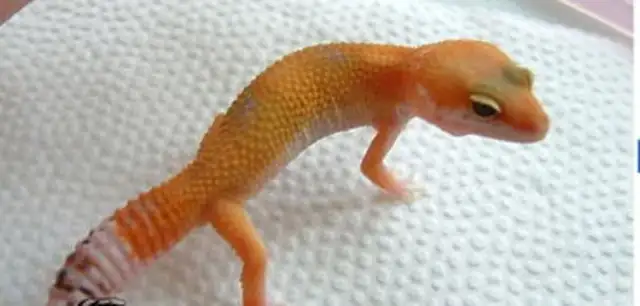
The Leopard Palace (Goniurosaurus sp.) is a pet reptile that has gradually emerged in the crawling pet industry in recent years and has been favored by many pet lovers with its unique appearance and relatively mild temperament. They are ceremonial and originated in East Asia, mainly in mountainous and rocky areas in China, Japan and Viet Nam. The greatest characteristic of leopard hyena is its beautiful stripes and colour. Common varieties such as Japanese leopards (Goniurosaurus luii) and Chinese leopards (Goniurosaurus orientalis).
In terms of body size, the length of the leopard palace is generally around 10-15 cm, and the background colours are mostly dark black or dark brown, covering yellow or orange spots and showing leopard spots, and are therefore known. Their appearance is both wild and interesting.
II. Characteristic characteristics
Panthers are a gentle, relatively quiet ceremonial pet. They prefer to hide silently in the cracks or corners of the rock, showing a degree of vigilance, but generally not aggressive. As they prefer night activities, most of them hide during the day in order to avoid sunlight and predators.
Their relatively stable character, their ability to live with humanity for a long time, and the absence of sudden attacks are one of the reasons they are welcome. It is worth noting that each leopard palace has a slightly different personality, some more timid and afraid, some more courageous and active, and that pet owners should observe and understand individual differences as much as possible during maintenance.
III. Environmental layout of breeding techniques: leopard hyenas prefer rocks and hiding spots, where appropriate rocks, barks and caves should be placed and made safe. The use of glass or plastic rearing boxes is recommended to be not only easy to observe but also easy to keep warm. Temperature and humidity: Temperature of the environment at 24-28°C during the day is slightly lower at night. Temperature can be regulated by lighting and bottom heating pads. It is recommended that humidity be maintained at around 50 per cent, with occasional application of small quantities of water to help keep the skin wet and promote health. Light: Although the leopard palaces do not require ultraviolet lamps for some reptile pets, a reasonable light still favours their physiological regulation. It is recommended that UV lamps be used daily for 10-12 hours to simulate natural sunlight. Feeding: The main food items are live insects, such as cricket, bread worms, fruit flies, etc. Occasionally, you can feed protein-rich cricket to ensure nutritional balance. On the basis of personal weight, feeding is done every 1-2 days. Cleaning and maintenance: Keep rearing boxes dry and clean, periodically replace mattresses and avoid fungus and parasite breeding. Weekly disinfection of the environment to ensure the health of the pet.
iv. Hair protection.
Although they have no hair, the skin of the leopard palace is also the focus of pet care. Good skin conditions ensure their health and beauty. Skin cleanness: Occasionally, the skin surface is slightly wiped with wet tampons, especially when there are signs of drying or pet parasites. Do not use cleaners containing chemical spices or irritating agents to avoid skin damage. Skin protection: Maintain appropriate humidity to avoid excessive drying leading to skin fractures. Providing a variety of rest and hiding places for pets also helps to reduce stress response. Observe skin changes: Note the presence of abnormal spots, skins, or eyebrow trauma. In the event of an anomaly, medical treatment should be provided in a timely manner to ensure that there is no parasite or skin infection. Dietary regulation: A nutritious diet contributes to skin repair and glamour. Some vitamin supplements or minerals can be added to feed to promote skin health.
In conclusion, the leopards are a fascinating and easy-to-breed breed. With its unique appearance and temperament, it has become the preferred choice for many pet climbers. As long as you provide a reasonable environment, careful care and patient observation, they can bring you plenty of company and pleasure.
If you like quiet, mysterious, artistic pets, it's worth a try. These wonderful little creatures will enrich your life with their serenity and grace.