Core tip: From the British chestnut cat to the American shorttail cat, from the German shepherd to the Alaskan dog, even the desert rat or the jungle python, the pet has now entered every part of our life, especially the dog. By July, the number of dogs registered with the Beijing Public Security Bureau had reached 534,000, and the total number of pets in Beijing had exceeded 1 million if the number of unregistered dogs and pet cats were added.
It is conservatively estimated that, if averaged $100 per pet per month, Beijing citizens would spend $1.2 billion a year on pets, while $100 per month would not even take the pets to a beauty salon to take a bath.
A dog sells $700,000.
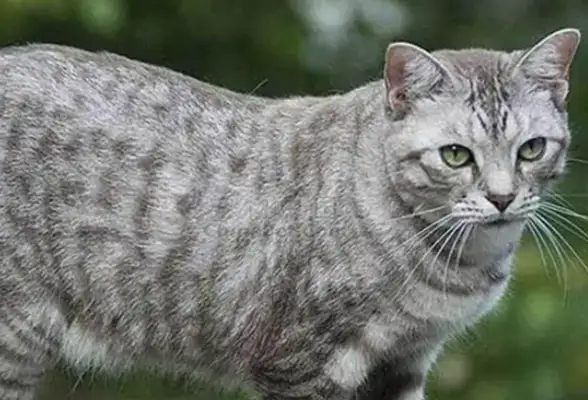
Almost all of the domestic pets, with the exception of a few adopted stray dogs, were purchased with money. Today, it is common to buy a pet dog for thousands or tens of thousands of dollars, and even worse, for hundreds of thousands of dollars, to buy a pet of his own heart. In an interview with the State Dog City, the journalist learned that recently a giant VIP dog had been sold to the Dog City for $700,000, which had resulted in a record of dog trading in recent years. By contrast, it is not surprising that over 200,000 single-rate dogs, and one of the owners of Tunzhou Dog City told reporters that many pure pet dogs can sell a hundred thousand in two or three months, "like the 700,000 VIP dogs, it's worth a hundred eighty thousand.
It is known that the types of pet dogs that are currently more popular in Beijing are Chenari, VIPs and Bomi Dogs. Most civilian pet dogs cost between $2,000 and $5,000 and, of course, several hundred for a dog.
Pet Hospital, 300%.
In recent years, domestic pet hospitals have been set up in the wake of the rain, but there is currently no standard set to guide the development of the pet health sector, and supervision of pet hospitals remains a gap. Patients have no medical history and the cost of medicines is too high ... The problem of “difficult” pets is bothering their owners.
Journalists visited several pet hospitals in Beijing, some of which have modest facilities, some of which do not even have basic medical equipment, and one pet table and a few pharmacies are available to the pets.
Last Saturday, journalists came to a pet hospital on the northern tri-ring road, where the waiting room was filled with owners with pets to see them, and many people were waiting on the aisle. Nurses at the hospital told journalists that there had been a considerable increase in the number of visits to pets in recent times due to the erratic rains and frequent changes in temperature, many of which had a cold. The reporter observed that the hospital had a clinic, operating room, treatment room, laboratory room, X-ray room, disinfection room, etc., from blood to X-rays, and that the medical programme was complete and included in the billing list: from a minimum injection fee of $30 to a maximum fee of $8,000 for the bone replacement of the project unit, with a list of three pages posted on the wall, with no less than 100 charges.
In a conversation with some of the owners with the dog, journalists learned that the cost of seeing a dog is by no means lower than the cost of seeing a person, and that it may be several times more. Ms. Zhang had a cold the other day, and Ms. Zhang took it to two hospitals, where the previous diagnosis had resulted in pneumonia, saying that she had to be hospitalized, and that the high cost of keeping her there had prevented her from doing so and had changed her hospital. The diagnosis of the second hospital gave Ms. Zhang some relief, since the dog had a cold and was not hospitalized. Two days later, from a drop to a drug bill, the dog's cold spent almost $300 on Ms. Zhang.

It has been reported before that, after spending only $6 worth of needles at the pet hospital, it was $160 to shake it; a 10-hour tank of oxygen, originally $35, jumped to $60 at the pet hospital ... The cost of hospitalization for dogs is approximately $130 to $200 per day, the cost of caesarean sections is around $500 and the cost of blood transfusions is $600 per day. In an interview with a journalist, Mr. Canine Member of the Chinese Livestock Association, who spoke out about the medical benefits of pets, “as far as I know, most of the profits of the current pet hospitals can reach 300 per cent”.
pets, a World Cup suit, $250.
Imports of shampoo, osteophosphate, calcium tablets, electric pushers, and foreign trade clothing, which were intended for human consumption, are now placed in a pets cabinet, and pets have grown from their original cat-and-dog diet to now cover almost all aspects of access. In a supermarket, the author saw that the supermarket had set up a “pattern home” and that the shelf was full of pets, including wool items, pet clothing, tooth bites, food and water, collars, pet food, pet bed, etc. In the case of common pets, for example, the operators told journalists that these pet chewing toys are rich in protein, fat, calcium, etc., and can regulate appetite, healthy teeth, prevent the smell of the mouth, prevent obesity, and even reduce the mental stress of the pet city. Some well-known foreign brands of pets are also appearing at home, and sales continue to be popular.
During the World Cup, a web site for the online sale of pets took advantage of the launch of a World Cup designed for pets at a minimum price of $250, which, according to website staff, was very popularly sold during the World Cup. In some well-known pets sites, the costumes of dogs, such as coloured clothes, princess skirts, naval uniforms, flag robes and clothes, are often in the hot market, often in four series of springs, summers, autumns and winters, mostly at around $200.
The pet school. Advanced training is 8100.
Training courses: Bite, guard, identify, track, raid; 135 school days; $8,100 tuition. On the home page of a pet school, the system and school hours of pets are featured in a visible position, with training levels divided into primary, intermediate, advanced, etc. Journalists have observed that training hours and tuition fees at all levels are linked to the grade level, with 45 days and $2700 for primary training, compared with 135 days for advanced training, requiring a tuition fee of $8,100, excluding nursing. In addition to normal training, the pet school also provides training in behavioural corrections, which include random picking-up during outings, occasional routine defecation, food from others, etc., at a cost of between $500 and $2,000. The head of the school told journalists that they received no less than 20 counselling calls a day and that the number of pets enrolled was growing and they were preparing to expand the school.
In pet schools, dogs receive training ranging from one to three months. This training involves sitting, walking, physical ability, feeding, rituals and following the master ' s direction. The training of the different dog species is also very different, and small and medium-sized dogs are only suitable for some basic mobility and conduct, character, etc. Only larger and more aggressive dogs, such as werewolves, are trained in techniques such as bites, attacks, escorts, etc.
“The vast majority of the pets sent for training are valuable varieties, and the masters train them for the purpose of nurturing their aristocratic qualities”, the head of a pet school in the suburbs said that the so-called aristocratic qualities meant that the dogs, after professional study and training, had to achieve a certain level of recital, etiquetism and cooperation with their masters. “A trained dog can also show the identity and taste of the owner”, which is the main reason why many dog lovers are fighting to send pet dogs to various pet schools.
The pet bridesmaid, 200 per pair.
In addition to selling pet dogs, many owners in Tunzhou Dogs usually work part-time as “Pet Sisters”, a so-called “Pet Sisters” who use the customer resources they accumulate at their disposal to identify clients for some of the pets that are in an inclement state, and to charge different fees depending on the type and type of pets that are successfully presented. The “marriage broker” fee for general dogs is around $200, while the number of valuable varieties is up to $1,000. If lucky, some of the pet bridesmaids earn more than a thousand dollars per month to match the light.
In addition to the owners of the pet market, some owners of pet stores have joined the uninhabited industry, although there are now special editions in some forums that offer the pet marriage service, but often “negatively”, and many pet owners often spend a lot of time trying to find their pets the right half, and others have difficulty finding matching varieties for their pets, “after all, online things are not as real as they are in reality”, as the owner of a pet store told journalists. It is understood that during the “twinning” process, some pet stores can also provide additional services such as bride and groom's dress, newlyweds' dens, and tomography, which can eventually be kept on CD-ROM.
Patient beauty. 8,000 a month. Division
In 2005, the Ministry of Labour and Social Security established pet hairdressers as new occupations and included them in the scope of national professional management. The current number of pets in the country and the number of pet hairdressers are disproportionate. It is known that Beijing alone currently has more than 500,000 registered pets, while the number of primary pet beauty workers is less than 1,000, with fewer middle- and senior-level hairdressers. Ms. O'Wundi, a hairdresser of the Beijing Small Animals Association, told journalists that there are currently fewer than 20 highly qualified pet hairdressers in Beijing. “Many pet beauty parlour shops pay 8,000 a month, and it's hard to find a high-level beautydresser.”