Designation: PET5447
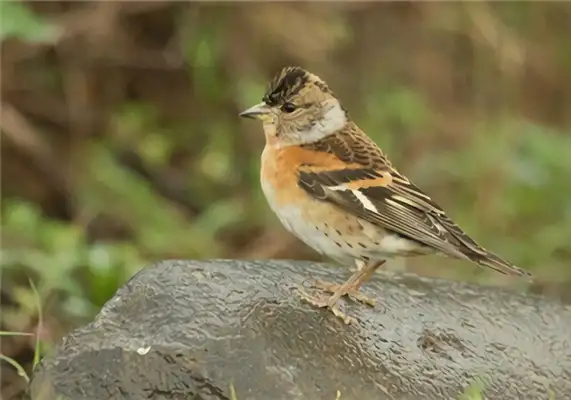
English name: Brambing
Vulnerability: respiratory, digestive and parasitic diseases
Life: 5-6 years ' profile of bird species
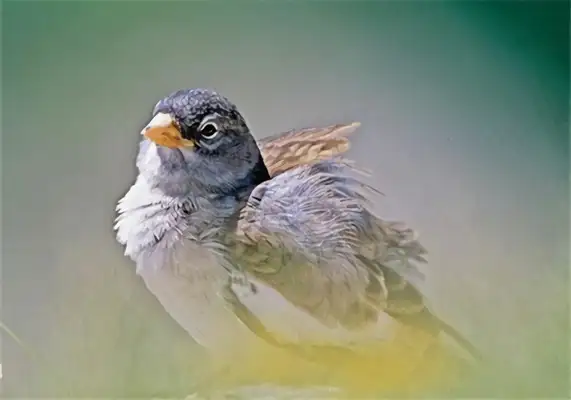
The bird is relatively widely distributed and belongs to small birds, approximately 16 cm long, usually in groups, and only during reproduction. They usually spend the night on trees. There is a certain harm to agriculture due to the pecking of crops.
The species has been included in the List of Land-based Wildlife for National Conservation or of Significant Economic and Scientific Research, published by the National Forestry Administration on 1 August 2000.
Listed in the World Conservation Union (IUCN) Red List of Endangered Species 2012
Chinese literary name:
Chinese alias:
English name: Brambing
Two words: Fringilla Montifrilla
Area: Animal
Door: vertebrate door.
Amen.
Platform: Birds
Today's bird's
I can't believe it.
C: Chestco
It's a bird.
Seeds:
Distribution: in Northern Europe, Asia, from Norway to Surveyaga, Southern Europe, China, multi-dwelling in plains, hills to mountains, and in forests such as Willow, Elm, Subtropical Long Green Leaves, Convey and Ceifous. The sparrow character.
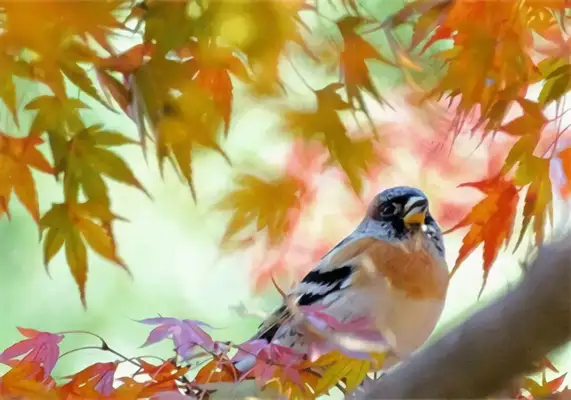
Birds of small size belong to birds whose desired size should be between 14 and 17 cm after adulthood. Young birds are very similar to female birds. Ion or dark brown, base horn yellow, sharp black, dark brown feet.
The male breeds the plume, the head, the side, the pillow, the neck, the back, the inner sub-fly plume and the third-level plume, and the longest tail is covered with black, or more or less blue. The shoulders, the wings, the plume, the tip of the plume, the waist and the tail, the white plume of the plume, the small plume of the plume, the primary flying plume, the black and brown, and the lighter base. The tail is black and the outer tail feathers are not visible. The larynx, larynx and upper chest rusted brown, the lower chest, abdomen, the two hammers and the lower tails of white plume, and the black part of the new plume that has just been replaced is mostly covered with rusted plume (which was not withdrawn until May). Shoulders are rusty, large plume tipped, and fly plume and tail plume have a light plume. Winter plume, head-to-head blue and black, blue metal radiant, end-end plume brown, cheeks, eye weeks, black ear feathers, plume brown, back-to-back black, plume white, end-side plume brown. White on the lower back, waist and tail; black on the long tail, brown on the end, black on the tail, narrow brown and white feather. Flying feathers are black and brown, primary and secondary fly feathers have a narrow green and yellow edge in the middle section of the plume except for the first, and a wide brown and red plume in the outer end of the 3rd fly plume. • Grey in the base of the shoulder feathers and wings, orange yellow at the end, brown and white at the centre, black in the big feathers. Zirconium, larynx and upper chest orange, lower chest and abdomen white, with brown, brown-to-coloured tail feathers and black dots of light browns; and light browns of armpits and wings. The female is similar to the male, but is lighter than the male, the upper black part is replaced by brown and has a lighted plume, and the head and back are not visible. Autumn and winter feathers are similar to males, but darker and less bright than males. Head to top, black brown, dark feathers, white back to back, light black tail, white narrow edge. Throat brown, dark orange brown on the upper chest, grey brown on the feathers, white on the lower chest, belly and tail. A bird's environment.
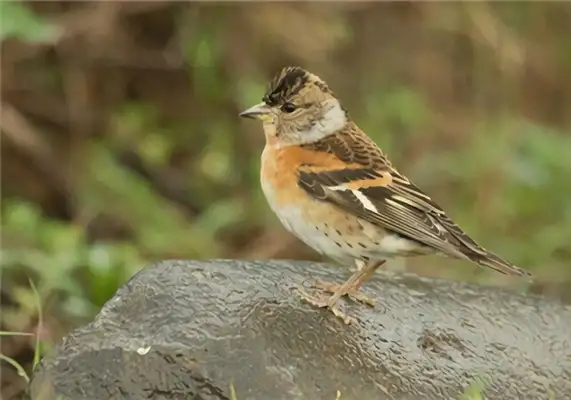
In the wild, the birds are mainly found in the dense forests, especially during reproductive times. During migration and winter, mainly in fields such as fields and orchards, probably in order to facilitate the hard-earned crops of farmers.
The family-breeded birds should take a sunbath every winter at around 10 a.m. The birds do not like baths and often change the water from the cans so that it can gradually adapt to baths. In the summer, it should be noted that the bird is cold, but not hot, and at the beginning of the summer, the sun bath can be stopped, because it can be placed in a dark and cool place when it starts changing feathers. A bird's culture.
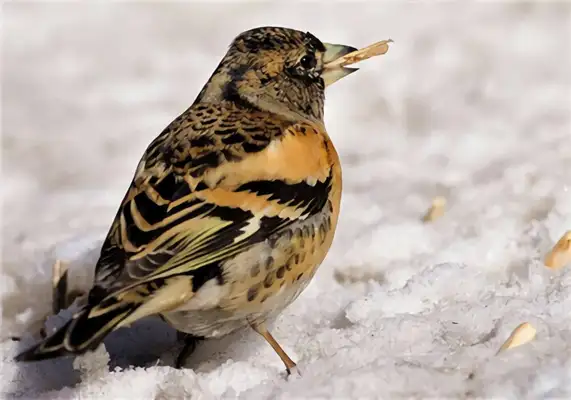
The harvest of autumn birds pecks crops, which has a very negative impact on agriculture, when many farmers take measures to remove them. They also eat pests during the breeding season, which is good for forests.
A bird is easily domesticated and can be used as a bird watcher or for performance purposes. In a wild environment, the bird enters the breeding period at the beginning of June each year and is nested on pine trees and sprouts. The nest is very fine, presented in a cup, made of weeds, thin roots, etc., and covered with moss, spiders, inside mats, etc. The eggs are brown and white or blue green, and the eggs are chronic or black. To date, however, there have been no examples of successful artificial reproduction. Feed the bird.
In the wild, birds prefer to eat crops, so that home-breeding can also be based on their lifestyle in the wild. A bird is actually a clever bird, and if he is properly tamed, he can mix with a puffy bird and develop new sightings.
The bird prefers to eat fat-rich sucos, which can normally be fed on the basis of 40 per cent sucos, 40 per cent gills and 20 per cent grains mixed with sufficient green vegetables and water. There is some diversity in feeding. Too single forage can lead to a lack of nutrients, including reduced appetite, etc. The bird can also teach things, fly, etc.