Designation: PET2251
English name: Psalmopoeus reduncus
Nationality: Costa Rica
Predisposed: black rot, stomach swelling
Life: 12-15 years
Price: Summary of Costa Rican oranges 200-400
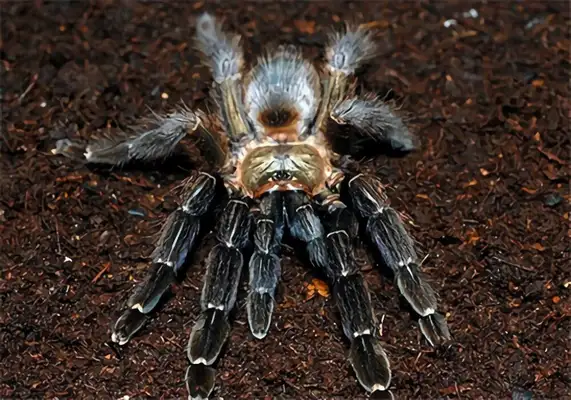
Costa Rica's orange beaks are a relatively new species in the pet-catching spider market, which is less human because of their small size and the overall circulation of shiny metal colours, which is more dramatic than they are.
Chinese literary name: Costa Rican orange spider
Latin name: Psalmopoeus reduncus
Origin: Costa Rica, Panama rainforest
Adult length: 13-14 cm foot
Yes: Psalmopoeus is a characteristic of the Costa Rican orange mouth
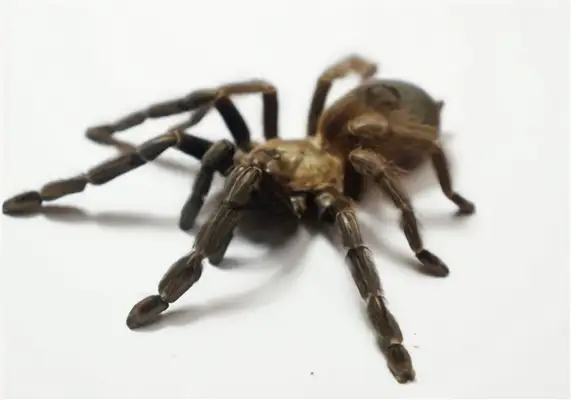
Costa Rica's orange beaks belong to a relatively new species in the pet fisheries market. Unlike other pets, they grow fast, usually from 2-3 cm larvae to 7-8 cm half size in a year.
The larvae of the Costa Rican orange beaks also have some metallic colours, but at a fast pace, care is taken to avoid escape. This small category, which is originally produced in the Central American region, is luminous metal colour, although it is not a highly human pet-fishing spider because it is ferocious and of its small size and adult size of 13 to 14 centimetres. Costa Rica Orange Mouth Feeding Environment
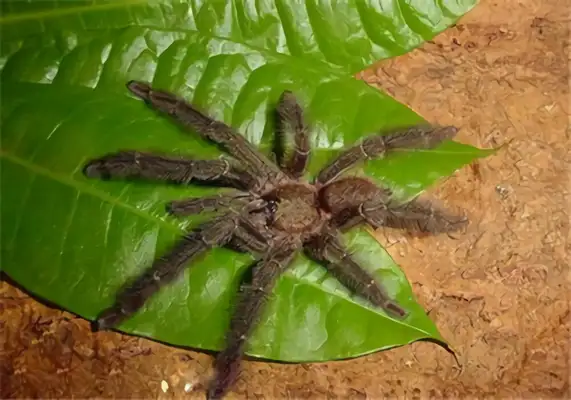
Costa Rica's orange mouth is not very good, it's tough, it's not very big in pets, it's 13-14 cm in size, so it's not very popular among pets.
The suitable temperature for artificially raising Costa Rican orange beaks is 26 to 28°C and the suitable humidity is 85%, and wet peat, coconut brick, clay is recommended as the base. Moreover, to maintain a certain degree of air moisture, they cannot tolerate a very dry environment in the original rainforest. They grow fast and usually take only one year to grow from two to three centimetres to seven to eight centimetres of half size. Costa Rican orange mouth feeding point
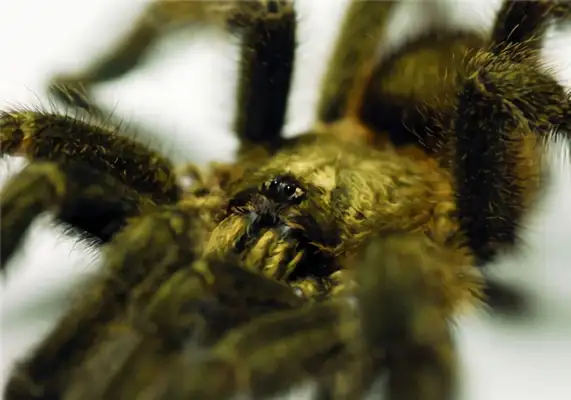
It is important that Costa Rican orange mouths, which are tougher, be careful not to be hurt. Costa Rica is also moving fast in orange beaks, so be careful not to escape in breeding.
In the case of orange mouth feeding in Costa Rica, the choice should also be made not to exceed one third of the size of their body, so that they do not feel incapable of catching and abandon their feeding. It is recommended that wet peat, coconut brick, clay be used as base material. In rearing, their environmental configuration should be organized by reference to typical species of tree habitats.