The selection and height of turtle sunback lamps: an important safeguard for pet turtle health
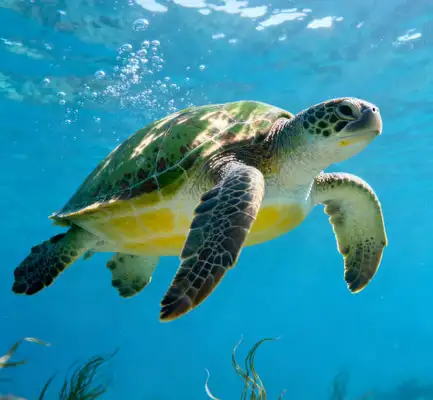
Turtle farming has become a part of the lives of many people, and pet turtles are no longer merely seen and their health and quality of life are increasingly valued. During this process, sunback lamps (also known as ultraviolet or UVB lamps) play a crucial role. Turtles, as reptiles, have a direct relationship between metabolic and skeletal health and UV exposure, so the selection of suitable tan light and its installed height are key to ensuring the health of pet turtles. I. Importance of tan light
Sun-back lamps are able to simulate ultraviolet B (UVB) in sunlight, helping turtles with synthetic vitamin D3, which is key to their ability to effectively absorb calcium and prevent cartilage and osteoporosis. Without sufficient UV exposure, the inoculation system of turtles is affected, physical weakness and even fatal bone diseases. Therefore, the correct use of tan light is an important measure to ensure the health of turtles. II. Selection of tan light
There are several key factors to take into account when selecting sunback lamps: 1. Ultraviolet B (UVB) strength
The strength of ultraviolet B is critical to the health of turtles. Generally, UV lamps in the market are divided into different UVB bands, with a common rating of 2.0, 5.0, 10.0. Different levels of ultraviolet lamps are suitable for different environmental and turtle species. 2.0 UVB lamps: Tortoises suitable for tropical species, low UV intensity, suitable for indoor environments. 5.0 UVB lamps: applies to most terrestrial turtle species, especially in temperate or subtropical areas. 10.0 UVB lamps: Tortoises suitable for areas with abundant sunlight, such as some grass turtles, swamp turtles, etc., have higher ultraviolet intensity. 2. Types of lamps
There are two main types of sun-back lamps: fluorescent lamps and halogen lamps. Fluorescent tubes: This tubes provide a uniform UV exposure that is usually suitable for long-term use. They are also more energy-efficient and suitable for turtles that do not require very high UVB intensity. Halogen light bulbs: This light bulb provides more concentrated UV exposure while also producing greater heat. Halogen light bulbs are a good option for turtles requiring higher UVB strength. 3. Life and stability of lamps
The output strength of ultraviolet lamps decreases over time, and it is therefore important to select lamps that can sustain higher UV intensity after some time of use. In general, UV lamps need to be replaced every six months to ensure that turtles receive adequate UV exposure. III. Installation of tan light height 1. Basic principles for installation of height
Generally, the distance between sunback lamps and turtles should be between 20 and 30 cm. This distance ensures that turtles are able to absorb UV effectively without causing harm due to excessive UV. Desirable distance of UVB lamps: If 5.0 UVB lamps are used, the recommended distance to turtle back is 20 to 25 cm. If 10.0 UVB lamps are used, the distance can be increased to about 25-30 cm. Desirable distance of halogen lamps: Due to the high UV strength of halogen lamps, the distance should normally be around 20 cm. Closeness may lead to skin burns in turtles. 2. Periodic repositioning of lamps
Owing to the fact that turtles prefer to operate in the sun, they sometimes move spontaneously to positions under the sun-back lamps, the installation of sun-back lamps ensures coverage of the turtle area of activity. If turtles are often present in a particular location, consideration could be given to installing lamps directly above that location.
As turtles grow, the distance between sunback lamps and turtles may need to be adjusted in due course. If turtles are large or active, the height of the lamp may need to be increased proportionately. IV. Time for use of tan light
Ultraviolet lamps could not be activated for long periods of time because excessive ultraviolet exposure could have a negative impact on the health of turtles. In general, the daily turn-off of the sun-back light should be controlled between 10 and 12 hours, with a simulation of natural day and night shifts. 1. Use during the day
During the day, sunback lamps should be the main light source for turtles, providing sufficient ultraviolet B exposure. To avoid skin damage to turtles, ultraviolet lamps can be placed slightly away from turtles and to ensure that turtles have enough cool areas to avoid strong light. 2. Closures at night
At night, the tan light should be completely shut down and turtles given rest time. Night darkness is the natural habitat of turtles and a necessary condition for their physical recovery. V. CARE AND SUPPLEMENT No. 1. REQUESTS OF TORTURES
The needs of different turtle species for ultraviolet light vary. For example, water turtles usually require more UV exposure, while land turtles may have less UV demand, so the type of UV lamp and the timing of exposure should be selected according to the characteristics of the turtle species. 2. Environmental factors
The habitat of turtles can also affect the choice and installation of sun-back lamps. For example, if turtles live in a warm and dry environment, more UV lamps may need to be used; in a cooler and weter environment, UV lamps can be reduced appropriately. 3. Combining other light sources
In addition to the sun-back lamps, turtles require ordinary lighting to ensure that they have a sufficient mobility perspective. To avoid relying solely on tan light to provide light, since the main function of tan light is UV exposure and does not provide sufficient visible light. Summary
Sun-back lamps are essential to the health of turtles, and proper selection and installation ensure the development of their bones and the health of their immune system. When selecting sunback lamps, the suitable UV-strength lamps are selected according to the type of turtle, the living environment and the needs of ultraviolet light; at the time of installation, reasonable distance between the lamp and the turtle is ensured and periodically adjusted for turtle activity. Reasonable light time is no less than the setting of the environment.
Through these combined measures, you can create a healthy and safe living environment for your pet turtles and ensure their dynamic growth.