No.: PET3748
English name: Havana
Nationality: Netherlands
Vulnerability: ballworms
Life: Overview of rabbit species in summertime 5-6
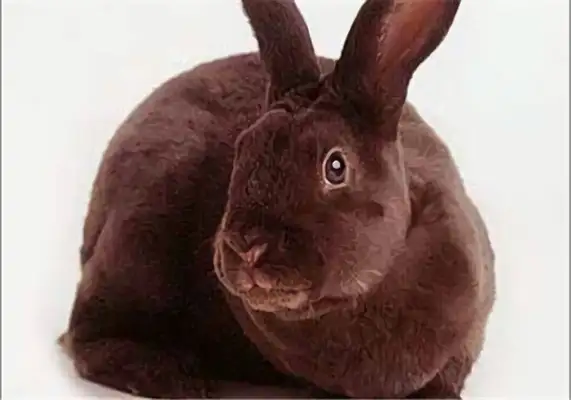
The Havina Rabbit originates from the Netherlands, where he is bred back to Germany and France, where he is artificially nurtured and genetically modified, and is now the Havina Rabbit we see. The Havina Rabbit is a pet rabbit breed with special hair.
Chinese: Havina Rabbit
English name: Havana
Context: Animals
Gate: Pipeline gate
Amen: vertebrate Amen.
Programme: Lactation Programme
FIND: RABBITS
Section: Rabbit Section
Yes: Rabbit
Spec: Havina Rabbit
Origin: Netherlands
Reproductive mode: birth
Body characterization weight: 2~3kg is shorter, equally shorter but bright, with ears vertebrates and close to two ears.
Food: Herbs.
Society for Accreditation: American Rabbit Breeders Association, ARBA. Havina Rabbit Characteristics
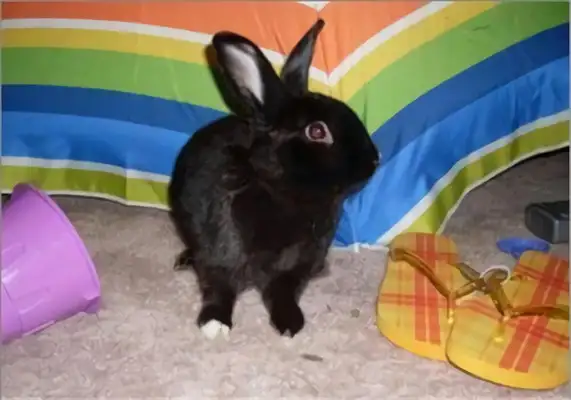
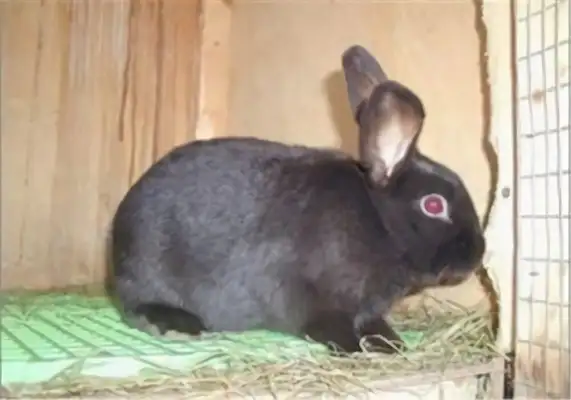
The summer rabbits are usually black or dark-coloured fur, with small ears, straight behind the head, with large and bright eyes, small heads and small shapes, and a pet rabbit variety, with regard to distinction and choice when purchasing them.
First, the look of the Havina Rabbit.
The Havenna Rabbit originated in the Netherlands and appeared as early as 1898 and was later taken to Switzerland and Germany in France for breeding. The Havenna Rabbit is short, weighs 2-3KG, is equally short but has a bright hair, and has a sharp ear and a close ear. Havina rabbits have short ears with no flesh, full head, large and bright eyes, flat noses, short hair and fat body.
ii. Chavina Rabbit Selection
It was suggested that more time should be devoted to the coexistence of the hares in the summer, especially in response to the strange summera hares, and to the character of the rabbits. Although the nature of the Havenna Rabbit is predominantly warm and pure, different Havina Rabbits have different characteristics, some quieter and even a little bit dull, some more active and even hegemonic, from which they choose for their own. Also, before choosing the summer rabbit, it would be better to know the shape and size of the summer rabbit, which would be very different from when it was a child, and would be much larger and better prepared. Havina Rabbit Care.
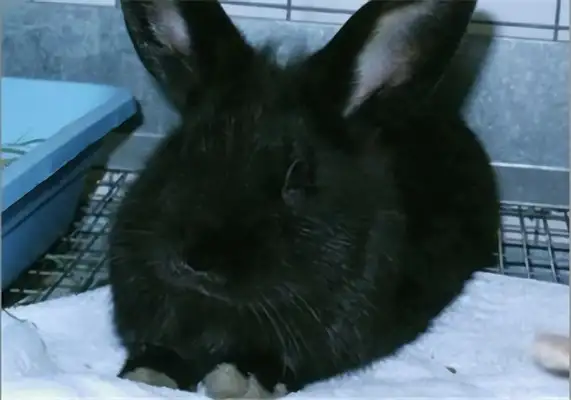
As a small pet rabbit, raising and caring is not difficult, providing them with a reasonable living space at an early stage, and playing and playing with a care not to hurt them so that they can live comfortably.
The summer rabbit, which is more than a foot long, is a small rabbit, extremely cute, and is not bred with too many rabbit cages, as long as it is free to run and jump and stretch its bones. Havina's ear is a nervous, vascular concentration, so don't pull it up! The right way to catch a Harvina rabbit: grab one hand on the back of the neck of the Harwina rabbit, then gently lift the Harwina rabbit and hold the hare's ass from the back with the other hand.
Cleaning up the home and keeping it healthy must not be done lightly: first, try not to use the net floor, preferably with a mattress or a cloth under the cage, because the hare was born with a sensory pillow to detect enemy attacks. Long periods of strangulation at the bottom of a cage may cause meat to come out of the feet of a rabbit in Sherwina, and the feet to turn into eight words, which would be detrimental to the movement and could seriously make it resist being held up. In addition, the Havenna Rabbit chooses the first of the four corners of the cage to make a toilet, while the corner is the bed of sleep, and it is safe to sleep as long as a soft cloth is placed in the bed. The natural environment of the Havenna Rabbit.
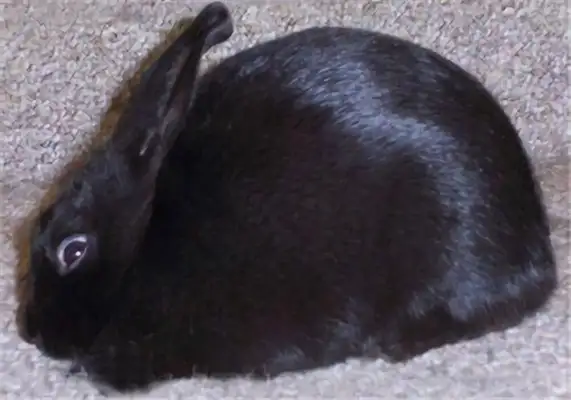
The summer rabbit is a very timid animal, so it needs to be adapted to its living environment when it is raised, during which time the masters are to prepare the medicine environment and take care of the rest of the family and try to avoid possible shock.
First, a clean and comfortable rabbit cage should be prepared for the Havenna Rabbit to provide a safe living environment. The rabbit cage should have prepared something for the summer rabbit. Food (dry grass or this is rabbit food) water, toilets, toys or wood bites should be prepared.
Secondly, it should be provided with a quiet environment during the summer rabbit break, and, of course, it cannot be deliberately stimulated and intimidated during its usual activities. The rabbit cage should also be placed in a quiet place in the corner of the room, try not to disturb it and prevent strangers from stimulating it.
It would be preferable to keep it isolated for some time before the Havenna Rabbit has been adapted. It is important that families, children, other pets, strangers avoid disturbing it. Every day, as the master, you have to prepare food and water for the Havenna Rabbit on a regular basis. In order to get close to it, you can gently touch its body and make it believe that you are safe and help it slowly to put down its tension.
It will also take time to help the summer rabbit adapt to the environment. Do not rush or force it during this period. It should be given sufficient time and space to adapt slowly to this new environment. What's your point?
The summer rabbits we buy are usually just weaned little rabbits, and their food choices should be distinguished from rabbits, and the following is a description of what we should feed them at each stage according to the different stages of their growth.
1.60 days is of early age: at this point, the summer-wina rabbit requires a large amount of protein and dietary fibre, which, in addition to breast milk, we can add some grass.
2.60 days ~ May age: Continue feeding herbs with oats. The combination of the two herbs allows degradation in the stomach of the tumor to produce the isobutyric acids, peic acids, as well as calcium and amino acids required for the growth of certain coarse fibres.
3.5 ~ 2 years of age: In five months we can add another kind of grassbreed - Moses. It's better to be grass + oats + Moses. Be careful not to feed them too much.
After the age of 4.2: The pet rabbits grow old after the age of two, so we can feed Moses directly, not much.
In addition, during the whole rearing process, water supply is limited and some vegetables can be supplied in appropriate quantities.