Congenital diseases of snakes: spinal bends and scribbling identification and integrated response
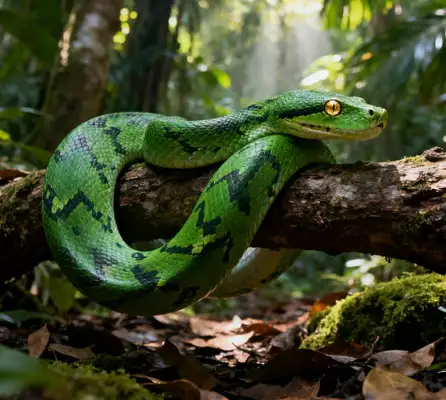
The focus of the content is early identification: the vertebrae is asymmetrical at the right or the left, at the right or the right, at the end, with an abnormal position and limited activity, while the scoffing is reflected in the deformity of the thorium, the gnaw, the difficulty of eating, the difficulty of swallowing and the phenomenon of running water. Both may be associated with loss of weight, fluctuations in appetite and reduction in daily activities. Causes and risks: May be associated with genetic factors, abnormal growth, nutritional deficiencies (e.g. vitamin A, calcium/phosphate abnormalities), environmental pressures (moisture, temperature fluctuations, early trauma). Genetic risks should be taken into account in reproduction. Diagnosis path: Medical examination by a veterinarian with reptile experience, assessment of spinal structure in conjunction with X-ray or CT images, assessment of nutritional state and potential complications when necessary, elimination of factors such as secondary infections or pain. Distortion cases need to be assessed for bite relationships, dental mellow health and the ability to swallow. The idea of treatment: with the promotion of quality of life at its core, individual differences do not necessarily “correct” deformities. Often integrated management of care and the environment, nutrition, pain control, etc., can be considered for surgical or rehabilitative treatment if necessary, but the risks and benefits need to be assessed on a case-by-case basis.
Recommended measures (complete response programme) 1) The consultation and evaluation revealed abnormal early attendance, with feeding records, growth curves, past medical history. Visual examinations are conducted by veterinarians with reptile experience to determine the type, extent and potential effect on the internal organs.
2) Optimized temperature gradients and humidity for the environment and daily care: provide a stable temperature gradient of about 28 to 32°C at the basking point, with daylight and night temperature partitions; moisture is adjusted to species needs to avoid over-drying or over-wetting leading to decorating or respiratory problems. Shelter and motion: Provide adequate hideout and vertical climb space, avoid mandatory back squeeze and intense motion, and provide a well-supported surface for snakes (avoid hard ground). Disturbing and cleaning: regular cleaning to avoid sharp stimuli, especially in the vertebrates and around the arctics.
3) Eating and nutrition management for individuals with crooked mouths needs to assess the ability to bite and swallow and, if necessary, to use prey sizes that are easy to swallow and chew, so as to avoid being too large to cause difficulty in sucking or swallowing. Nutrition must be balanced and maintain reasonable weight. If food is limited, alternative feeding methods or supplements need to be considered under veterinary guidance. Water management: Ensure adequate drinking water and, when necessary, assist with small quantities of drinking water after feeding to help swallow and mucous membrane lubrication.
4) The control of pain and complications such as the presence of signs of pain, inflammation or infection, the use of appropriate pain/inflammation medication as prescribed by the doctor, and the close monitoring of changes in breathing, heart rate, feeding and defecation. Periodic inspection of dental health and elimination of complications such as dental disease. In the case of patients with vertebrate malformations, attention should be paid to such issues as dermal friction points, respiratory pressure, etc.
5) Establish daily logs for monitoring, recording and follow-up: weight, diet, defecation patterns, body changes, activity levels, appearance anomalies, etc. Periodic visits to assess the progress of the disease, the risk of complications, the effectiveness of care and the adjustment of nutritional needs.
6) Genetic and genetic considerations, if planned, require genetic assessment and risk assessment to avoid passing on possible pathological malformations to future generations. When buying, preference is given to healthy, family-less suppliers and complete health certificates.
7. Long-term vision and ethical thinking requires consultation with veterinarians on long-term care programmes and possible time frames for peaceful disposal of individuals with severe malformations and declining quality of life. The goal is to maintain as much comfort as possible and to reduce suffering.
Specific day-to-day care element body support: lightening of the snake body with both hands while walking and gripping, avoiding pressure on the jaw and back. Cleaning and skin care: periodic examination of the back, neck, and cheek skin to prevent bruises, skin removal, or infection, and proper wet environment to maintain skin health. Health records: Document physical photographs, body length and body weight changes and form trend maps as a basis for adjusting care strategies. Risk communication: To the extent possible, first-hand breeders should be selected as relatively stable individuals, avoiding high-risk breeding environments and unskilled care operations.