No.: PET1771
English name: Dorsiocellat
Origin: Malay Peninsula, Sumatra, Southern Asia
Vulnerability to diseases: albino disease, rotting tail disease
Life: An overview of the variety of blue-eyes 4-5 years
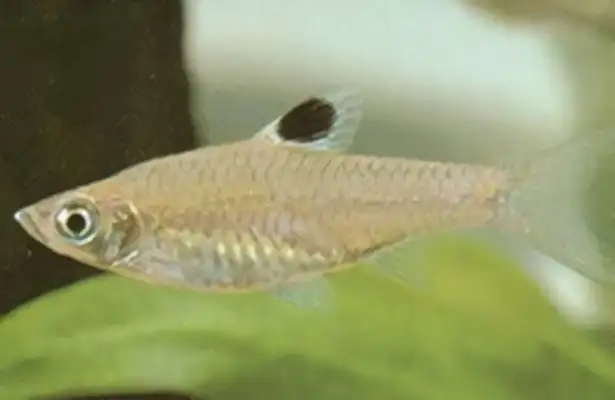
The colour of the blue eye is actually silver and white, but as the blue eye's eyes are exposed to light, the second half will glitter the green light, so the blue eye is famous.
Region: Malay Peninsula, Sumatra, Southern Asia
Context: Animals
Chinese literary name: Blue Eye
Latin name: Dorsiocellat
Practice: communion
Reproduction mode: chrysanthemum blue-eye appearance characteristics
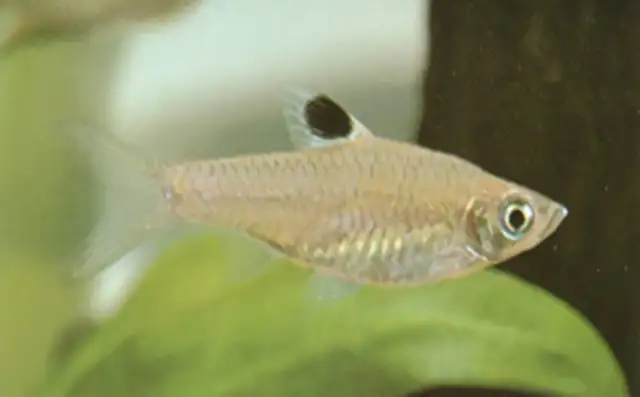
It is not difficult to raise blue eyes, which can grow well if they are given stable water quality. If you want to raise a blue eye, it's also a matter of learning how to pick a blue eye, and it's a very important criterion for determining how to do it.
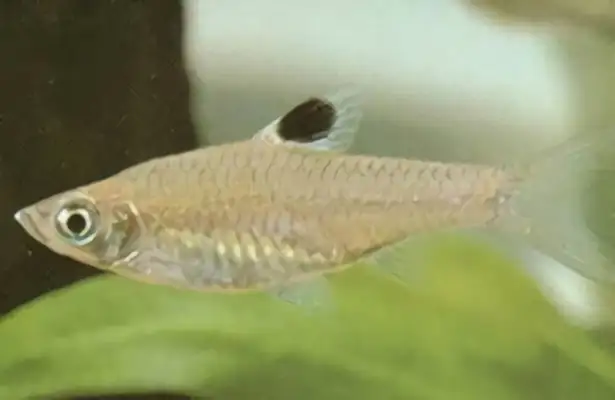
The colour of the blue eye is beautiful silver white, the eyes are exposed to light, and the second half of it is glittered with green light, so it is called "Blue Eye." The back fin is white and has a large black spot, a very beautiful small fish. Females have larger abdomen, with yellow tails, while males have smaller bodies and red tails, which can be distinguished. Blue-eyed breeding environment
The raising of blue eyes requires attention to the quality of their water, which likes soft water with weak acids and which can grow more water and grass in aquariums, both as a shelter for blue eyes and as a beautification of aquariums.
Blue-eyed water, which is easy to feed, prefers soft water, which is weak and acidic, to be bred in a sink that multiplants some water grass. Water temperature 22-26°C, hard to 5-10 dGH, ph 6.0-6.5.
The water temperature of blue-eyed larvae is 22-26°C, and the temperature in the fish tank needs to be increased in winter by electric heat tubes. In addition, filters can filter out the contamination in fish tanks, keep water quality clean and have the dual effect of adding oxygen to water quality. Blue Eye Feeder.
Blue-eyed breeding is easier and blue-eyed sex is mild and very popular with fish friends. They can be fed with artificial baits when raising blue eyes and occasionally with live animal baits to ensure a balanced nutrition.
Blue-eye feeding allows for the option of placing an edible in an aquarium, which prevents fish food from floating on the surface for the benefit of blue-eye feeding. It also prevents fish from falling underwater into the grass, darkening the grass and sand and undermining water quality.