Designation: PET5585
English name: Jersey Wooly
Character: Very tame
National origin: Turkey
Vulnerability: ballworms
Life: A brief description of the Jesci Woolly species around 8 years old
Jessie Woolly, one of the pet rabbit species, is a new breed created by a hybrid of Angolan rabbits and midget rabbits, which was recognized by the ARBA in 1988, and which is so gentle and cute and suitable for the children. The plant was published in 1984 by the American Rabbit Reproduction Association and recognized in 1988 as one of the most recently recognized species. Its name is named by the birthplace of New Jersey, where the breeder who produced the species was born. Jessie Woolly's character.
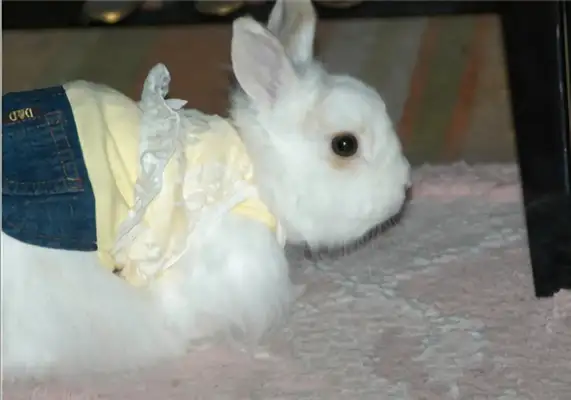
Jessie Woolly can also be translated to Jesse Woolly, who is a typical pet rabbit breed with a small body, low weight, straight ears and hair, but hard to tie.
I. morphological characteristics of Jessie Woolly
Hare weighs about 1.6 kg (competent 1.4 kg), dry and simple, with a similar height and width, a slightly smaller shoulder width than the hip, a obese muscle from the hip to the hip, a circular shape, a long jaw along the edge, hairy as a mustache, and hair between the ears and the eyes longer than the hair of the face. The ideal length of normal fur is about 5 to 8 centimetres, and while Jesci Woolly ' s hair is longer than the rest of the rabbit species, it is not the type of hair that can be easily fixed, making it easier to manage her breeding.
II. STANDARD:
Small, round body. The head is big and round, and some hair grows around it. The ideal length of the ears is about 6 centimeters, round eyes. Fury's growing dense and much. Hair's ideal length is about 5cm to 7.5cm. It's hard to fix, easy to manage. Weight should be 1~1.5 kg.
iii. Unfailing Jesse Wooley.
The long body, the long face, the thin ears, the hair of the hairball. The ears above 7.5 cm and the front end of the ears have hair shorter than 4 cm. Jess Woolly.
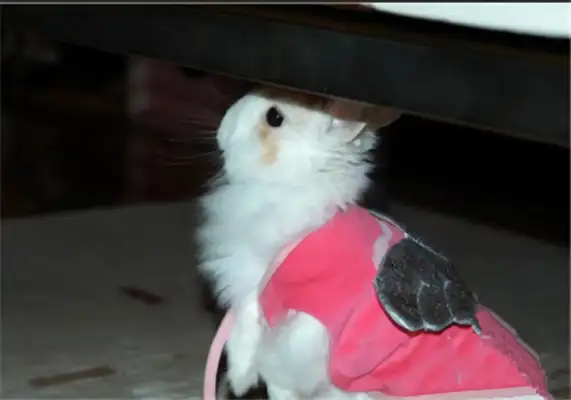
Jessie Woolly is an easy breed of pet rabbits, and usually, if you choose the right food and the right care method, you can keep Jessie Woolly. With proper breeding, Jessie Woolly's life is usually around eight years old.
First, the way Jess Wooley feeds.
The management of fur is not the same as that of the United States, and is easy to manage. With regard to nutrition, there is a need to feed food rich in hair. For protein composition, the criterion is around 17%. Due to the length of the feet and ass hair, urine is avoided. Always. Attention to feeding grounds: often eat their own hair and therefore feed abundant pastures.
II. Management points for Jessie Wooley
The most attractive hair is the hair of this small size and light-flitter, which is generally about 5-7 centimetres long, although it is part of the hare species, but it is not too difficult to comb the day-to-day work because it is difficult to bind. However, because of the length of the beans in the buttocks, which can easily be contaminated with urine fluids, the feeder needs special attention to clean up. Jess Woolly's living environment.
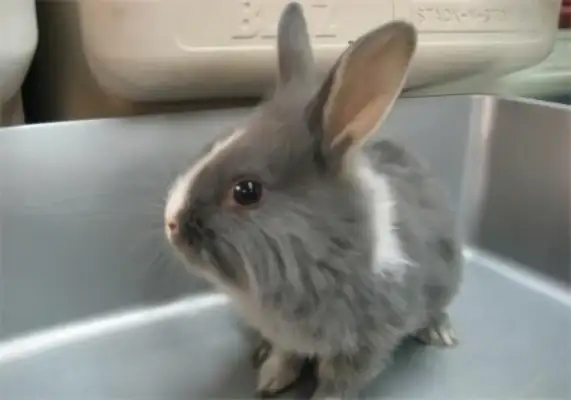
Jezzie Woolly is a hare breed, so it's easy to heat in the summer, and if she stays in the air-conditioning room for a long time, it's easy to catch cold, so a suitable environment is chosen for Jezzie Wooly to ensure her healthy summers.
One of the characteristics of Jessie Wooley is that he's afraid of the heat, and he's hot for the summer. Thus, summer breeding management focuses on cooling and cooling. Outdoor hare cages must be built in a sand shed or by planting shade trees, melons, etc. Indoor cages must be ventilated and equipped with electrical fans. When room temperature exceeds 35 °C, the floor of the rabbit house shall be cooled and cooled, and the cauldron shall be filled with cooling and drinking water. Clean up, clean up, wash the floor and bottom of the cage, and reduce the fungus so as not to turn the feed acid and eat the food.
Unconditional foster families are not scheduled to reproduce during periods of great turbulence. During the high-temperature season, whole-body hair should be cut once, so that the temperature is as high as possible in case of heat and heat.
Summer feed, mainly green feed, should be properly fed to the finer feed, feeding time, breakfast early, late dinner, rabbits eating better when the weather cools, and 2 per cent salt water to keep the rabbits nutritious and to maintain the acid balance. Jess Woolly's key.
Micronutrients, polydimensional, lysine, scysine, colourine, lactate, acetoxin, antioxidant, highly effective anticin, licin, sweetener, yeast powder, folic acid, dihydrophosphate, calcium phosphate, soda powder, enzymes, fungicides, copper-free, iron sulfate, zinc sulfate, manganese sulfate, sodium sulfate, potassium sulfate, potassium chloride, etc. The main related functions are as follows.