Designation: PET4032
English name: Florida White
Character: Wimble
Origin: Florida, USA
Vulnerability: ballworms
Life: 6-7 for the great white rabbit species in Florida
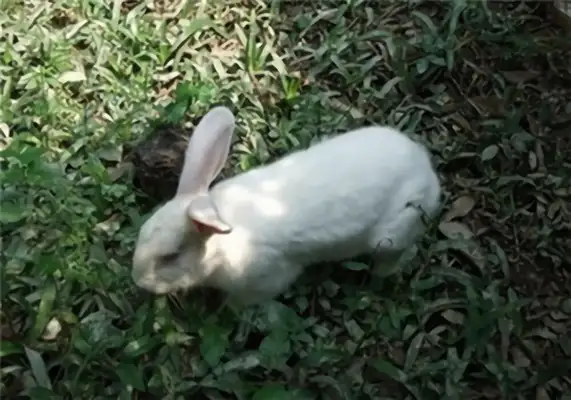
The Florida Great White Rabbit is a common white rabbit, medium-sized, with hair all white, with red eyes, large numbers of animals worldwide, and a very common rabbit variety, because of the lack of pigmentation.
Chinese literary name: Great White Rabbit, Florida
Chinese alias: Florida Rabbit
English name: Florida White
Context: Animals
Gate: Pipeline gate
Programme: Lactation Programme
FIND: RABBITS
Section: Rabbit Section
Yes: Rabbit
Blanche: Florida Big White Rabbit
Origin: Florida, United States
Reproductive mode: birth
Body characteristics: Weight: 1.8 ~ 2.7 kg white and short.
Eating: grass-grass
Society for Accreditation: American Rabbit Breeders Association, ARBA. The Florida Big White Rabbit Characteristics
In Florida, the big white rabbits are small, pre-literated varieties, with a birth weight of 35 to 50 grams; weaning weight of 300 to 450 grams in 30 days and 1.2 to 1.3 kg in March; adult rabbits weigh 2.2 to 2.5 kg; rabbits 1.8 to 2.3 kg, with a high fertility rate, mainly reflected in the high rate of “bloody combination” fetus (80 to 90 per cent), with 6 to 8 births per year and an average of 6.5 births per child. Be adaptable and resistant to disease is an ideal breeding material. Great white rabbit nursing knowledge, Florida
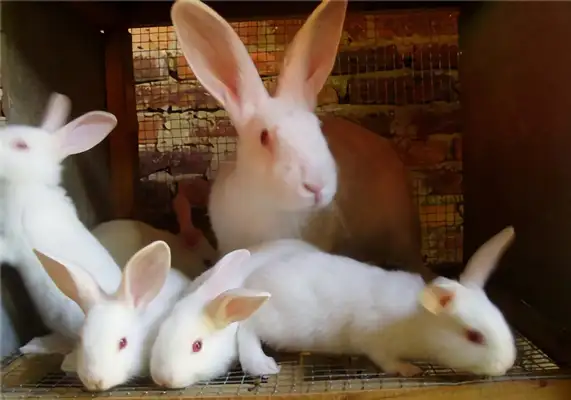
Like many kinds of rabbits, Florida's Great White Rabbits have a conservation approach. They like clean living environments, some grassy foods, and when raising Florida Big White Rabbits, they take care of some of their habits, allowing them to adapt to their masters' lives.
- What's the big white rabbit in Florida eating?
Not only are Florida rabbits vegetarians, who like carrots, cabbage, cabbage, cucumbers, vegetable leaves, etc., but they also like piping, front grass, etc. Vegetables bought should be washed, dried up for the big white rabbit in Florida, and never given them wet vegetables. Otherwise, the big white rabbit in Florida will be thinned.
II. The cage of the big white rabbit in Florida
The great white rabbits of Florida are suitable to live in a dry, ventilated environment, which is too damp to make them ill. The big white rabbit in Florida is insatiable to heat, such as with cages, preferably with barbed wire in the front and side, so that the cage is well ventilated, and better put something under the cage. It's full of great white rabbit shit. It should also be explained that the urine of the great white rabbits in Florida is very strong and should be affordable for those who raise them. Otherwise, it is recommended not to have a large Florida hare.
III. The custom of the big white rabbit in Florida
The Florida Big White Rabbit is an animal who likes to run, so that the Florida Big White Rabbit can be more dynamic and happy, and the Florida Big White Rabbit sometimes eats something hard, like hard paper boxes and wood, while the Florida Big White Rabbit grinds his teeth, so don't worry about it. The little Florida Big Brit is too small to give it a bath.
IV. The turd of the big white rabbit in Florida
The faeces of the big white rabbits in Florida are hard, black particles, sometimes soft shit, and the big rabbits in Florida may eat them again, absorbing the nutrients in them and excluding them from the body. The Great White Rabbit living in Florida.
One of the more important issues in the farming of large white rabbits in Florida is the setting up of the environment, which is related to the health of large white rabbits in Florida, such as the setting of cages, the choice of food baskets and so on.
1. Choice of the big white rabbit cage in Florida
It must be big and comfortable. We can't let the big white rabbit from Florida escape! There's a lot of cats and dogs in the market now that they're not working, there's too many cracks, and the little Florida Big White Rabbit always escapes. There's a big gap at the bottom, and the big white rabbit in Little Florida falls. It's easy to pee on your feet, and it's too shallow, and it's a fatal flaw, with cages, urine and poop still out there! So it's recommended to professional rabbit cages! A cage with a wooden plate and an iron plate, as you like! It's nice to have a big Florida hare.
Two, the big white rabbit bowl in Florida.
The food basin has protection and fixes. It's pretty stripes on the Ricks. It's fixed by AB. Customers and friends prefer these two, and the purchase rate is the highest!
Three, the Big White Rabbit.
There's a straw rack. There's a lot left of grass. It won't cost you two! AB's and PETLINK's AM070 are inside! And outside, PETLANK's AM051 is better!
Four, a big white rabbit pot in Florida.
There's a lot of sizes, there's a lot of Pacific and a bithome. It's easy, clean, easy to spill. Watch out, the water for the big white rabbit in Florida must be cool, clean, mineral water, and never drink uncooked tap water for the big white rabbit in Florida!
Five, big white rabbits in Florida.
The long teeth of the non-required big white rabbit in Florida affect food consumption and there's an inflammation in the mouth! What's the point?
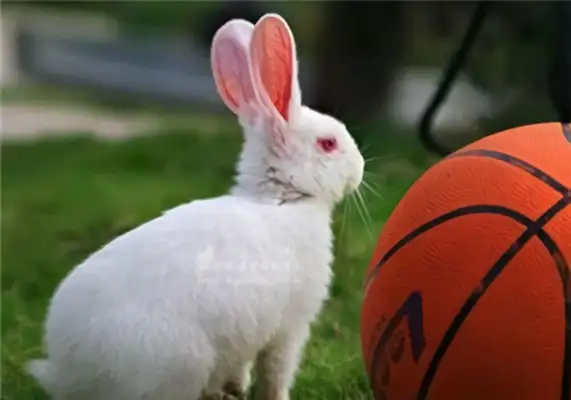
Vegetable food is the main food supply for the large white rabbits in Florida, which is provided for some herbs, vegetables, water turtles and rabbits, usually by a rabbit and herbs, supported by snacks, while paying attention to the food exchange and not suddenly changing.
I. Choice of rabbit food
The most necessary thing for a big white rabbit in Florida is the staple food. It was designed in accordance with the stomach, body and dietary habits of the Florida Great White Rabbit. It has a good effect on the growth and development of the big white rabbit in Florida. Food is now imported and produced domestically. There are many brands.
II. Selection of pastures
It's indispensable for the big white rabbits in Florida. It's grass, Timothy, dancin grass, mint weed. It is recommended that 24-hour supply be unlimited.
iii. Food-for-breathing concerns of the Great White Rabbit of Florida
1. The reasons for changing rabbits for feed are usually the following: changes in growth (in early childhood = > in adulthood = > in old age), excessive teeth, which must be replaced by fodder that has the effect of grinding teeth, overweight or thinness, diseases (e.g., urinary plaster), changes in the breeding environment (e.g. adoption or capture), use of inappropriate feed (e.g. meat rabbit feed or no feed at all), new products or a bloodbath.
2. For seven days:
First day: Old and new feed mixed at 1:3
Day three: old and new feed mixed at 1:2
Day 5: Old and new feed mixed at 1:1
Day 7: All new feeds
3. Observe more of the intake of rabbits and the consumption ratio of old and new feeds during the food exchange, and the effect on rabbits of changing feed in terms of the size, colour and shape of the faeces, and re-examine the proportion of old and new foods and the capacity of rabbits to adapt to new foods in cases of diarrhoea or total denial.