Designation: PET3279
English name: Introduction to Ptyas koros rat snake species
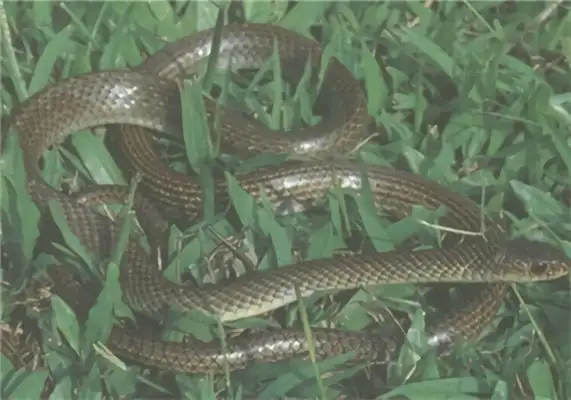
Ptyas koros, one of the more widely distributed non-venomous snakes, acted quickly, but generally did not attack humans voluntarily, and it was described as having the habit of running away when caught.
Rat snakes are commonly known in Hong Kong as tree saplings and are widely distributed in countries such as India, Thailand and Indonesia. China is found in the provinces of South China (including Hong Kong and Taiwan).
Chinese literary name:
Two by Ptyas Korros
Area: Animal
Door: vertebrate door.
The reptile.
I've got eyes.
Section: Snake Section
For rat snakes
Rat snake species:
Distribution: morphological characteristics of rats in India, Thailand and Indonesia
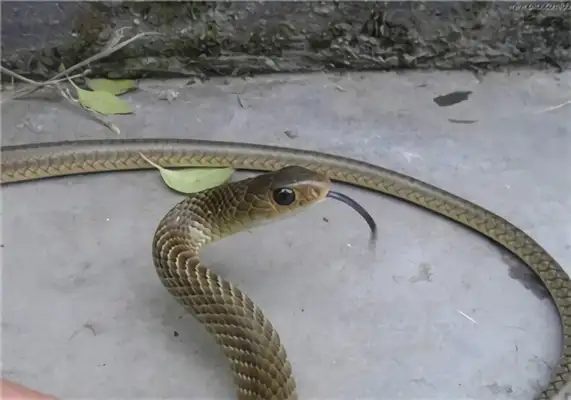
The body color of Ptyas korro is very similar to that of rats, by name. This is a mild and small size suitable for domestic pet snakes, the most important of which is that they are nonvenom-free. Here's a quick look at the morphological characteristics of the rat snake.
The snake body is slightly longer, usually more than 1 metre. Eyes wide and round. On the back, tan or olive gray, black on the edge of the stem and tail slabs, with a slightly visible netline; on the upper lip and back, brown on the back, black and brown at the centre of each slab, with black and brown stripes on the back and back; light yellow on the stomach. It's a rat's life habit.
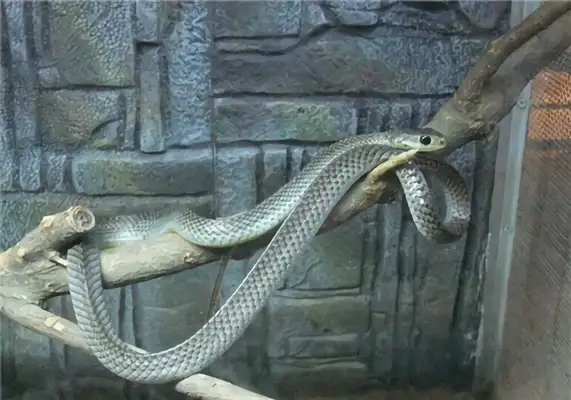
Rat snakes and golden cyclic snakes and cobras are commonly referred to as “triperes”. The “Tir Viper” is a well-known edible snake type in the south of China and is a raw material for “Tir Viper”, “Tir Viper Coal” and “Tir Viper Coward”. We can treat rheumatism. Rat snakes are one of the key economic snakes in our country.
Rat snakes live in hills and plains, mainly in bushes along fields, roadsides, ditches, and in water fields, streams, rocks on streams or grasses, often climbing on streams or on bushes or bamboo bushes by ponds, so the Guangxi people call it a tree dragon. Sometimes they go to the ground looking for food. Day and night, when the sun comes out after showers, it meets the top of the bush on the side of the road and on the side of the ditch, waiting for the light of the sun to shine; it also falls on the bamboo branches at night. Rat and snake breeding knowledge
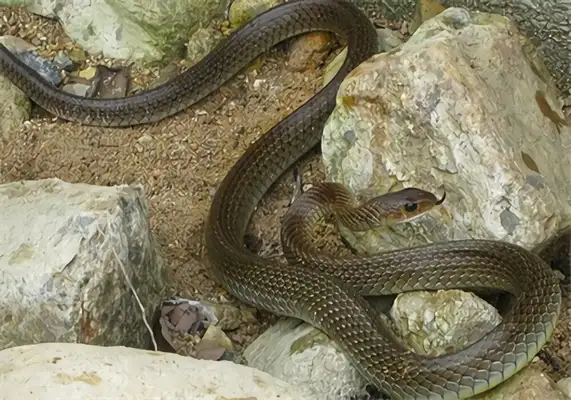
Rat snakes tend to breed by spawning, usually in May-June of each year, with approximately nine eggs per spawn. The incubation period is about two months. In November, hibernation began, with winter in the ground and graveyards moving southward into rat holes, with hibernation periods varying with annual temperature changes, with a wake-up event in the south-west of Guangxi in March.
According to statistics, the percentage of males and females is 52.7%, the percentage of fertilized eggs is 77.3%, the rate of hatching is 59.2% and the rate of natural survival is 30%. In the wild, they like to eat tree frogs, rain frogs, lizards, as well as birds, other frogs and rats. The eggs are 29 to 44 mm x 12 to 20 mm, and they are laid under the falling leaves of the bush, and they are protected. 35-47 days of hatching.