Designation: PET2225
English name: internationalzkana
Vulnerability: cartilage
Life: 6-7 years ' profile of Xinjiang iguana species
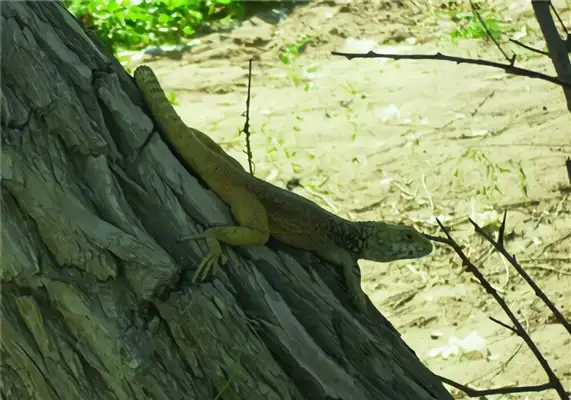
Xinjiang iguana (stoliczkana) is a typical chameleon, which is very colour-transforming and acquires the name of a chameleon in its fluency. The color of Xinjiang iguanas under the sun becomes shallow and red on the neck, and when it's cool, the red disappears and the general colour becomes darker.
The change in color of the Xinjiang iguana is a non-discretionary physical behaviour change. It is associated with the strength and weakness of light, changes in temperature, the excitement of animals themselves and the health of individuals.
Chinese literary name: Xinjiang Iguana
Chinese alias: Iguana
English name: internationalzkana
Two words: Laudakin supportzkana
Area: Animal
Door: vertebrate door.
Amen:
Scramble
ACKNOWLEDGING:
I've got eyes.
Iguana!
Iguana.
ACO:
Family: Iguana
Iguana
Asian: Iguana
Xinjiang Iguana
Distribution: characteristics of Xinjiang Iguana form
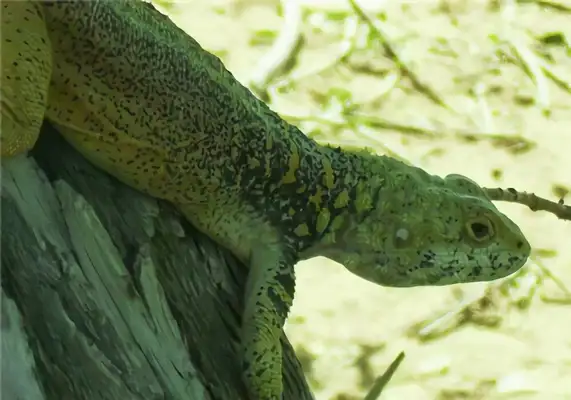
Xinjiang iguanas may have different colours in their bodies in different environments, and the shape gives people a stronger first sense of strength. The tail is longer and typically equals (or is only slightly shorter) the head length or 2-3 times the length of the head.
The left and right of Xinjiang iguana's cheekbones are sutureded, unable to move and open. Xinjiang iguanas generally have four limbs, even if they are degraded without any species, there must be a remnant of the front leg belt (shoulder belt) inside them.
The Xinjiang iguanas are mostly active for the upper and lower eyelids, and their eyes can be opened freely. Most of the species of Xinjiang iguanas have wider and thick tongues. Xinjiang iguanas generally have exterior ear openings and, if not, the location of the drum membranes can be seen from the outside. Xinjiang iguana breeding knowledge
Xinjiang iguanas are usually fertilized in their liners. Combining reproduction takes place around the end of spring and early summer each year. Some types of sperm can remain alive in the female for several years and can produce fertilized eggs for several years after mating. Only female individuals have been found in some of the Xinjiang iguanas, and they are studied as a breed of single females. The chromosomes of these New Frontier iguanas are often inverted. Xinjiang iguana breeding environment
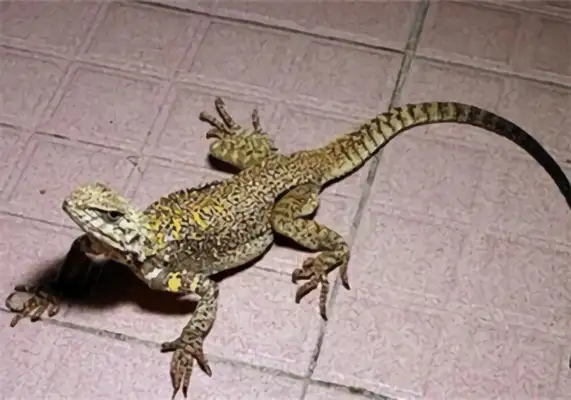
The lizards are thermogenics, and Xinjiang iguanas are no exception, and home raising requires the preparation of a glass tank, two cm thick sand, and a hole and water basin. New Zealand iguanas, who live in temperate and cold zones, enter hibernation during the winter season, showing changes in seasonal activity.
In the tropical New Frontier iguanas, activities are carried out throughout the year due to the warm climate. In particularly hot and dry areas, however, there is also a phenomenon of sanctuaries to survive high-temperature drying and food shortages. It can be divided into three types: day, night and morning. The formation of different types of activity depends mainly on the activity habits of the food client and a number of other factors.