Designation: PET6201
English name: Acanthoscurria chacoana
Origin: Profile of Bolivian redtail species
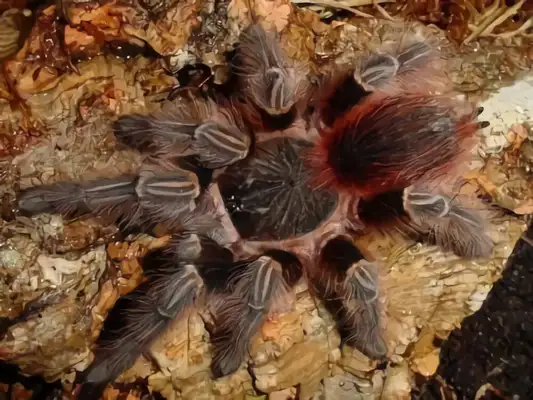
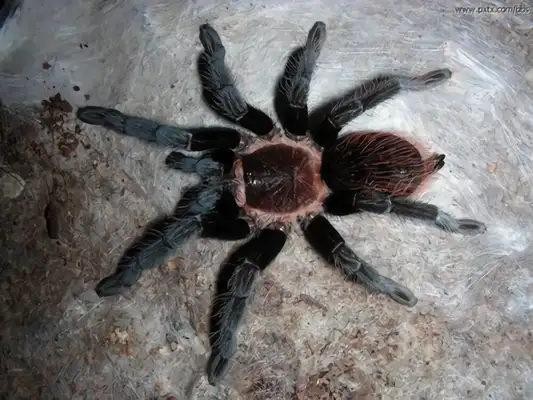
Bolivia's red tail is also known as Bolivian salmon pink, Latin called Acanthoscurria chacoana. Born in Bolivia, Argentina, with both body size and colour.
Bolivia ' s ambitious shape can break the 20-cm footprint, with some aggressive and easy-to-kick varieties. Characteristics of the Bolivian red tail
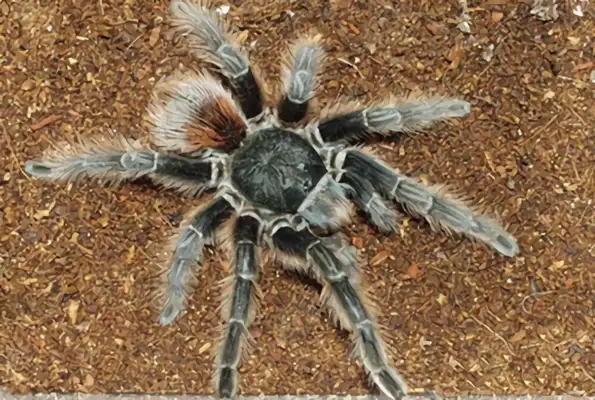
The Bolivian red tail is also a species of pets of both size and colour. It is true that Bolivia's red tail is very small, possibly less than a centimetre, and that the grey one is the same as the Brazilian white knee.
However, their larvae are growing faster, and the Bolivian red tail can break 20 cm's footprint once it's in shape, so there are many who like it. As in most other categories, the Bolivian red tail can be of a certain aggressive nature when it reaches a certain size, and the increase in grossity allows them to kick more at once. Elements of Bolivian redtail breeding
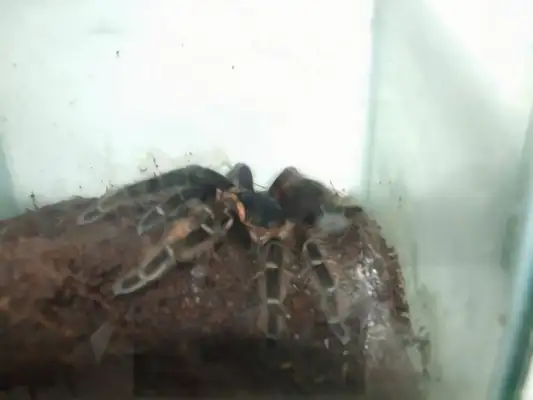
The Bolivian red tail is also of a certain aggressive nature, and the increase in gross sting also allows them to kick more at once. The price of Bolivia's red tail is much more expensive than that of its white knees.
In Bolivia, when raising red tails, the main points of breeding are the same as those of other bird-hunting spiders. Information on the environment for redtail breeding in Bolivia
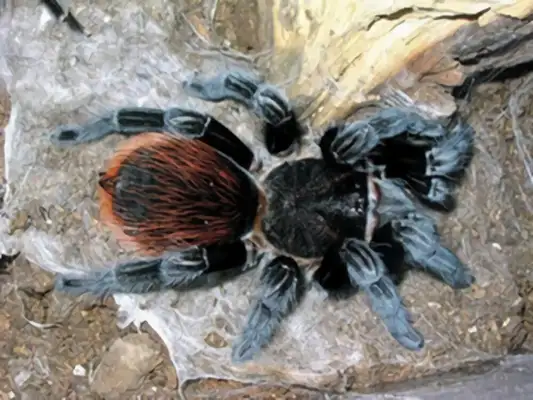
The Bolivian red tail is of Bolivian origin and Argentine origin and is a suitable breed for the tropical rainforest. Appropriate temperature is 26-28°C and suitable humidity 75%.
Since Bolivia ' s larvae are excavated, which is their instinct, it is important to lay them on a thicker base, which is suggested to use slightly wet peat, coconut brick and clay. When Bolivia's red tail is about 5 to 6 centimetres or more, they are becoming more receptive to a ready-made cave. Artificial breeding can therefore be done with a cave made of sunken wood or simply with a flower pot of the right size for them to serve as a nest. Bolivia Redtail Feeding Point
The eating properties of bird spiders are mostly the same, as are the Bolivian redtails, which are usually given as food to insects, and which only happen when birds are caught by chance, but also when it is possible to feed birds.
They do not rely on webs, but rather on power and speed to catch their prey, so they generally feed Bolivian redtail insects. As long as appropriate-sized mammals, such as lizards, birds and mice, are fed, attention needs to be paid to the frequent rotation of food to avoid a single.