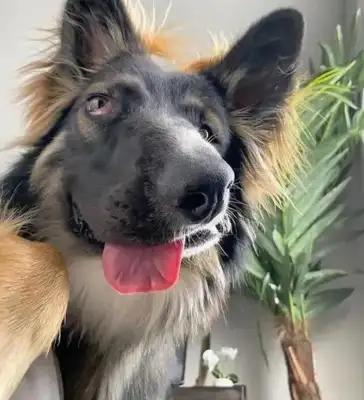
Is compensation for damage to pets limited to market prices?
The pets are special in property, not only of property value, but also of the spirit of the dog owner. Compensation for damage to property caused by pets and precious wildlife is not calculated on the basis of market value and is an expression of the social progress of human beings and of the difference between the treatment of animals, a special object of an ethical nature, and ordinary property by law.
The “market price” and “other methods of calculation” provided for in article 19 of the Tort Liability Act, which do not establish the order of application of the two methods of calculation, should be understood as meaning that the judge considered that the calculation based on the market price was unreasonable and that “other methods of calculation” could be applied.
Personally, if the purpose of raising “pets” is primarily to be accompanied by spirituality, the medical costs of pets can be calculated at a higher rate than the “market price”.
In the case of compensation for medical expenses, compensation in excess of the market price is acceptable if it is not significantly higher than the market price of the pet or if the absolute amount is not very high. If medical treatment is provided at market prices of several times, or more than ten times, or in absolute amounts, the judge should determine it properly, rather than in full.
These include the following considerations: first, if a pet is a mere pet, it is possible to make unlimited compensation for its medical expenses, amounting to imposing personal favors on an uncertain third party in society; secondly, even if the pet owner personally suffered the damage if it was not for another reason (e.g. the pet owner himself), whether the pet owner himself was willing to do so at such a cost; and thirdly, taking into account local economic conditions and the financial situation of both parties, the compensation does not significantly increase the burden on the abuser, first of all to safeguard the rights of the person. If the cost of medical treatment is too high, it may be an option for the infringer to bear the cost of “suspense death” treatment of animals.
The above-mentioned system is designed to find a good social balance between animal love, attachment to pets and liability for tort damage.
The damage caused by raising animals against others is limited to animal values.
In the present case, the problem is not highlighted, but the damage caused by raising animals is much higher than the animal itself. For example, a dog of about $1,000 had caused thousands of dollars of damage, and would the person be willing to pay compensation? To be sure, however, when the price of raising animals is much lower than the damage they cause, such damages are also a significant burden for raising animals. Only most animals, especially pets, are unaware of the problem.
This is not expressly provided for in our current legislation and should be understood as meaning that compensation for damages is not limited by the value of the animal. When damage occurs, there may be a dispute over the denial that the pet is owned. It is relatively costly to prove in legal proceedings that a pet is indeed owned by a person.
Animal breeding insurance should be established.
The contentious issues in this case and those mentioned above remind us that, in the context of the social phenomenon of the growing number of people raising pets in our country, not only should the management of animal vaccinations be strengthened, but also consideration should be given to the introduction of animal liability insurance, preferably in conjunction with vaccinations. Specifically, vaccination is intended to control the serious consequences of diseases such as rabies and is of social benefit. Insurance to ensure that animal breeders have a certain capacity to pay compensation is the same as for motor vehicles.
In addition to raising animal liability insurance, in the case of extremely expensive pets, it is recommended that pet owners purchase their own property insurance. It is a reason to go to the streets with antiques, and ordinary people cannot foresee the value of the property, and all persons should exercise a higher duty of care. The property insurance may also cover the medical expenses of pets.
The social problems highlighted in this case can be solved if insurance for the liability for damage caused by animal breeding and for valuable animal property (including medical expenses) is actively pursued.