Title: PET1799
English name: The Entre Rios Tarantula
Origin: Overview of the Brazilian Redtail variety
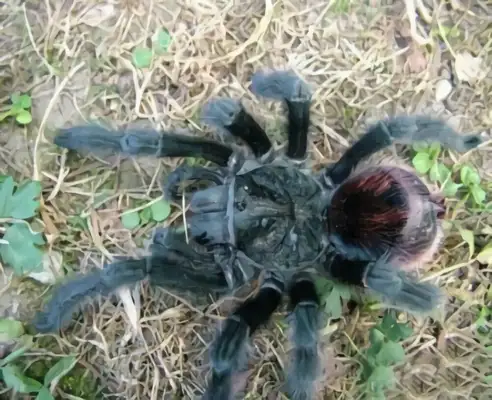
The Entre Rios Tarantula, Latin, Gramostola iheringi, the main region of Brazil, is the Southern Brazil and the Grande River Basin.
Habitat: Rain forest habitats
Food: Insects and small mammals
Cob: 20-25 cm
Growth rate: Normal
Fit for temperature: 22-26 degrees
Fit for humidity: 65-75%
Fulfillment:
Feeding conditions: Need for diskettes, hideout, Brazilian infrared
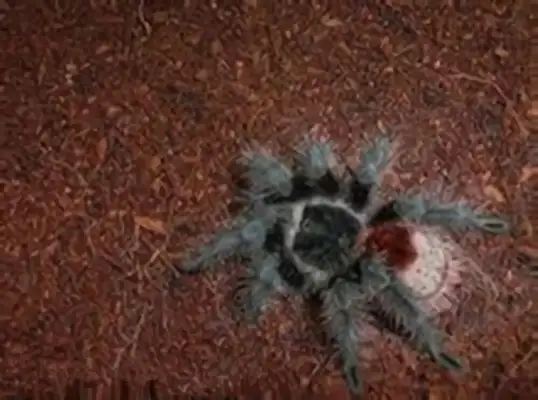
Brazil's red tail is one of the very popular species of gamers in pet hunting spiders, and it's very human. This is due to the very moderate character of the red tail in Brazil, which is hardly aggressive. The size of the Brazilian red tail is very large, with a maximum of 25 cm for adults.
Brazil ' s unique red tail is almost black, integrated with a bright red abdomen, constituting a glamorous giant spider whose largest category is Gramostola. Brazilian redtail spiders grow by 20-22 centimetres. They're really very rare in pet hunting spiders. Because the protection of origin has made any formal export impossible, together with the relatively high and relatively small yield of artificially ploughed reproduction, their prices remain high. Elements of Brazilian redtail breeding
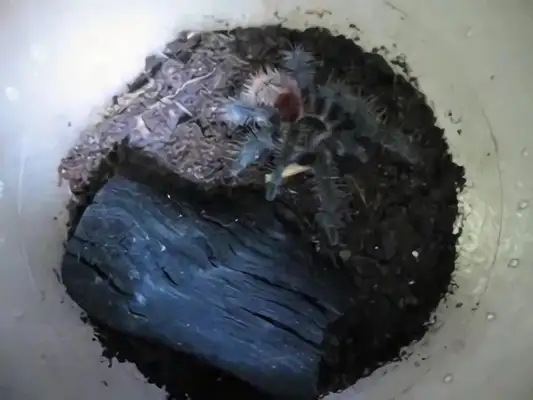
Brazil's red tail, because of its temperamental character and little aggressiveness, is admired by many players, and is also a type recommended to new players with no experience in breeding, so what are the problems to be noticed by bird-hunting spiders that feed them?
There must be a need to place the dishes in the first place to ensure moisture while also ensuring the amount of water available for the Brazilian red tail. Although this Brazilian red tail is so gentle, it needs to be placed in a shelter. They're really very rare in pet hunting spiders. Because the protection of origin has made any formal export impossible, together with the relatively high and relatively small yield of artificially ploughed reproduction, their prices remain high. They also have a very long life span, with information indicating that male individuals of six years of age have been collected from their origins. Environmental characteristics of redtail breeding in Brazil
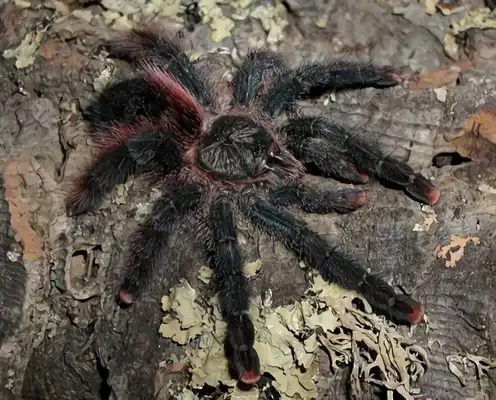
Brazil's red tail was originally produced in the southern Brazilian rainforest, so special attention should be paid to their breeding environment when raising the Brazilian red tail, which is of a rainforest type. It's very big, and you need to be careful about the size of the rearing box.
Brazil has a suitable temperature of 25-27°C for red tails and 75% humidity, and proposes wet peat, coconut brick, clay as the base material. They've been showing this color since they were very young. When I was a child, my body was darker and blue, and as I grew up every time I skinned, it became green to black. And what will remain the same is their red abdomen. There is a need to plant water basins and to establish a shelter. Brazilian Redtail Feeding Points
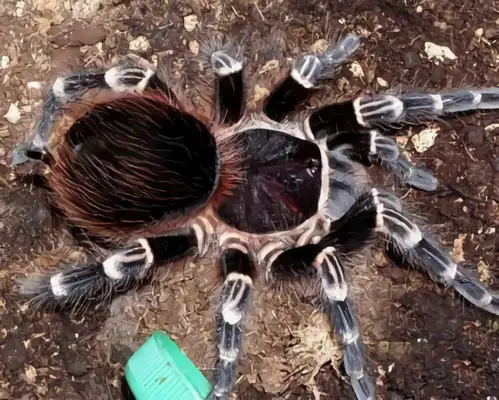
Brazilian redtails are mainly fed by insects and small mammals, and care is taken to prepare a small dish in the rearing box that will guarantee the amount of drinking water and the humidity of the breeding environment in Brazil.
Brazil's redtails are really very rare in pet hunting spiders. Because the protection of origin has made it impossible to export any formality, and because of the relatively large and relatively small yield of reproduction under artificial breeding, the price of the Brazilian red tail has remained in a higher position. Brazil's red tail also has a very long lifespan, with information indicating that men of origin have been collected for six years after reaching adulthood.