Original by:

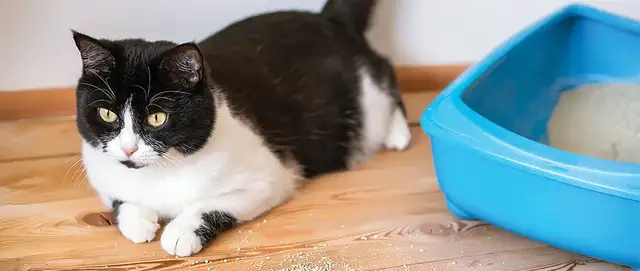
The problem of urine is common in cat animal medicine. Clients may ask, in different situations, “Why is my cat pissing difficult?”, for example, during emergency visits or annual health checks. The problem may be caused by the unusual behaviour of their pets, and the veterinary nurse should raise detailed and specific follow-up questions in order to draw a clear clinical profile for the veterinary and thus make a clear diagnosis. Cats' urinary diseases (FLUTD), diseases affecting urinary tracts and kidneys and specific endocrine diseases should be taken into account.
As veterinarians, we're all trying to help animals. In fact, that's usually why we joined the industry. To achieve that goal, we must find successful ways to communicate with clients. This is sometimes a difficult task; however, focusing on the needs of patients will help make things easier.
Simplifying the content of visits and the objectives of client visits will lead to a consensus between hospitals and clients. As veterinary nurses, we should always understand that our knowledge of veterinary medicine is not known to the public, and that educating clients is our job.
Medical nurses need to have pathological physiology so we can discuss their pets with our clients. In the case of unusual cat urination, a full understanding of the causes, clinical symptoms and signals will enable us to provide information to clients without any effort.
When clients ask about urination anomalies and their cats, the following is useful information that needs to be considered for communication.
1.2. Importance of environmental improvement 1.3. Diarrhoeal abnormalities 1.5. Endocrine diseases 2.5.
FLUTD is a group of diseases affecting cat bladders or urinals. It is the responsibility of the veterinary team to determine the actual causes. Cat-specific bladderitis (FIC), urinary hysteria, urine embolisms, tumours, infections, and behavioural and dissection abnormalities may be the underlying causes of FLUTD.
FIC is a chronic, sterile, inflammatory disease with clinical symptoms similar to those of FLUTD. The common clinical symptoms of FIC include inappropriate urination, urination frequency and abdominal pain. This disease is mainly found in juvenile cats.
Specific aspects of the education of customers with inappropriate urinating cats include general knowledge of the disease. For example, male cats are more likely than female cats to suffer from urinary blockage due to the structure of anatomy. Female cats have short and wide urinal tracts and are less likely to be blocked. The reason for the obstruction may be physical - e.g. anatomical malformations, tumours, urine stones, dry red cells or mucous embolisms - or, for FIC patients, mechanical, e.g. muscle spasms or oedema.
Specific clinical symptoms should be discussed with clients. In communicating with clients, it is important to keep in mind health knowledge and to convey the message in a language they understand. See the glossary for the definition of some common symptoms of cat urination anomalies. The understanding of clinical symptoms associated with any disease allows veterinary nurses to ask in more detail about inappropriate urine and other clinical symptoms associated with cat pain at home.
Clinical symptoms of cat bladderitis or urinal blockage include vomiting, diarrhoea, depression, anorexia, dehydration, urination difficulties, urination frequency and no urine. Cats usually urinate outside their casseroles or elsewhere in their homes, making it difficult for the owner to determine whether the cat has urine. Patients may also feel pain or sound when trying to urinate. These clinical symptoms can be seen in urinary blockages and cat bladderitis. Importance of environmental improvement
Pressure is the main cause of the disease and may cause great frustration in the treatment of clients and veterinary teams. In order to help prevent the disease, behavioural and environmental changes should be introduced at home.
Environmental enrichment ensures environmental conditions that sustain the health, well-being and natural behaviour of pets, thus providing them with a full and healthy life. According to AAFP's Cat-Friendly Family, a healthy cat environment has five different pillars. They include the provision of safe places, multiple critical environmental resources, opportunities for natural behaviour, active and regular interpersonal interaction and an environment that respects cat smell.
Diseases and behavioural problems may arise when cats are in an environment that does not allow their natural behaviour. Common behavioural problems include inappropriate urination, which is why cats are often sent to shelters or relocated. These practices may have been developed by patients for medical reasons (e.g. FLUTD) or by their aversion to cat cisterns.
When talking to clients about these issues, it is important to examine the family environment in the following areas:
1, the quantity and quality of cat casseroles, 3 cat beds and locations, 4 customer interactions with family members of cat animals, 5 family feeding times, and the choice of rich goods of any kind in the family is endless; however, they may include cat trees, cat posts, toys, sports wheels or windowsills.
Specific considerations regarding the cat basin should be discussed as follows:
Cats should be cleaned every day and placed in private places so that cats do not feel threatened when used. The principle that each cat should be equipped with one cat casserole plus one cat casserole is still a good rule for determining how many cat casseroles should be available at home. Cats are sensitive to the smell and quality, so if cat dust doesn't fit their taste, it can also be an obstacle to cat cisterns. 4. Customers should also be asked about the type of cat sand, its density and smell. 5. The incidence of urinary tract diseases from urinary diseases includes urinary tube abnormalities and kidney diseases. It's an anomaly.
Diarrhoea stones are the most common cause of blockage. Other reasons include narrowness, blood, stones, tumours or a combination of any of the above. The majority of older and middle-aged patients are diagnosed as suffering from urinary tube blockage without any gender bias.
It is also the responsibility of trusted veterinary nurses in clinics to learn about treatment programmes and to discuss them further with clients. On many occasions, veterinary nurses talk to clients after the vet has given a diagnosis, a treatment plan and a prognosis. A general understanding of the advances in veterinary medicine will make veterinary nurses a better voice for patients. With this knowledge, veterinary nurses can have more in-depth conversations with clients.
For example, the system can now be more successful in treating urinary blockage by placing the sidewalk (SUB). If the veterinary team decides that the appropriate treatment is SUB equipment, the veterinary nurse can briefly explain the procedure and the expected effects. Kidney diseases
Renal diseases are common among cat patients and can be divided into two different forms: acute and chronic.
Acute kidney disease in cats is usually caused by ingestion of toxic substances. Domestic substances, such as acetaminophenol, chocolate, garlic, lily, onions and human in vitro (NSAID), are toxic to cats and can cause acute kidney disease. Other clinical symptoms such as vomiting, diarrhoea, symptoms of the nervous system, excessive saliva or respiratory distress may also occur in this context.
Chronic kidney disease is commonly referred to as chronic kidney disease (CKD). CKD occurs when the body cannot maintain normal kidney function. As a result, the body is unable to properly remove nitrogen-containing solubles or maintain an appropriate liquid and electrolytic balance, and the failure of hormonal distribution leads to CKD. Depending on the stage of kidney disease, different levels of urine, drinking, appetite, vomiting or nausea may occur. Endocrine diseases
Veterinary nurses are sometimes asked about abnormal urinary practices, which may be caused by endocrine diseases (especially diabetes). It's important to put all the parts of the conversation together to help the vet solve the mystery of why my cat is having trouble peeing.
2 Type-diabetes is the most common type of diabetes in cats. Type 2 diabetes is caused by insulin resistance or by the inability of pancreas beta cells to produce enough insulin. Cats can also have both functional impairments. When glucose levels in the blood cycle are too high and the kidneys cannot be properly filtered, the excess glucose “sprays” into urine, leading to sugar. It's called the kidney glucose threshold. Obesity is a risk factor for diabetes and FLUTD. Medical history collection and next steps
It is important for veterinary nurses to know the whole clinical situation. This perspective, combined with a strong knowledge base, will enable veterinary nurses to read the questions that clients may have in their medical history. When the client asks, "Why is my cat pissing so hard?" This should always be the beginning of a conversation with family members of cats about what's happening at home.
Veterinary nurses should ask open questions when recording their medical history, and this skill is very useful when checking rooms or diverting client calls. See the list of questions in box 1 for asking clients to help the veterinary team identify the best diagnostic options. If the answer to your question is not detailed or specific enough, it is always a good way to get the requested information. Kidney diseases
Renal diseases are common among cat patients and can be divided into two different forms: acute and chronic.
Acute kidney disease in cats is usually caused by ingestion of toxic substances. Domestic substances, such as acetaminophenol, chocolate, garlic, lily, onions and human in vitro (NSAID), are toxic to cats and can cause acute kidney disease. Other clinical symptoms such as vomiting, diarrhoea, symptoms of the nervous system, excessive saliva or respiratory distress may also occur in this context.
Chronic kidney disease is commonly referred to as chronic kidney disease (CKD). CKD occurs when the body cannot maintain normal kidney function. As a result, the body is unable to properly remove nitrogen-containing solubles or maintain an appropriate liquid and electrolytic balance, and the failure of hormonal distribution leads to CKD. Depending on the stage of kidney disease, different levels of urine, drinking, appetite, vomiting or nausea may occur. Endocrine diseases
Veterinary nurses are sometimes asked about abnormal urinary practices, which may be caused by endocrine diseases (especially diabetes). It's important to put all the parts of the conversation together to help the vet solve the mystery of why my cat is having trouble peeing.
2 Type-diabetes is the most common type of diabetes in cats. Type 2 diabetes is caused by insulin resistance or by the inability of pancreas beta cells to produce enough insulin. Cats can also have both functional impairments. When glucose levels in the blood cycle are too high and the kidneys cannot be properly filtered, the excess glucose “sprays” into urine, leading to sugar. It's called the kidney glucose threshold. Obesity is a risk factor for diabetes and FLUTD. Medical history collection and next steps
It is important for veterinary nurses to know the whole clinical situation. This perspective, combined with a strong knowledge base, will enable veterinary nurses to read the questions that clients may have in their medical history. When the client asks, "Why is my cat pissing so hard?" This should always be the beginning of a conversation with family members of cats about what's happening at home.
Veterinary nurses should ask open questions when recording their medical history, and this skill is very useful when checking rooms or diverting client calls. See the list of questions in box 1 for asking clients to help the veterinary team identify the best diagnostic options. If the answer to your question is not detailed or specific enough, it is always a good way to get the requested information.
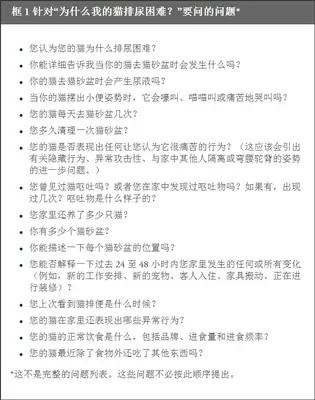
The questions raised during the examination of the patient ' s medical history will also determine the urgency of the patient ' s medical condition. This is considered an emergency if the patient has little or no urine, manifests pain, or displays clinical symptoms of other systemic diseases consistent with the information provided by the client about what they see at home. When the patient feels pain or suffering for any reason, the veterinary doctor should be immediately notified of the medical intervention.
The first step in an emergency is to obtain the consent of the client. In such cases, the client should be reassured that it was right to seek the help of a veterinarian. Maintaining a calm and positive attitude and making clear statements will facilitate successful communication with clients (box 2).
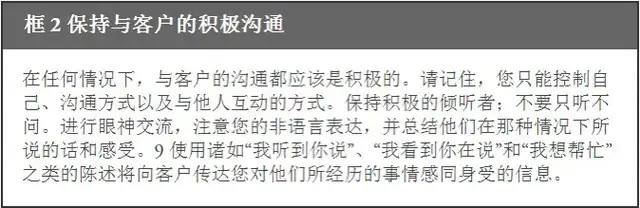
The gravity of the situation will determine the way forward:
1. If the patient is in serious pain (e.g. pain, respiratory distress, mental abnormalities), it is appropriate to move the patient from the examination room to the treatment room, notify the other members of the team and begin intervention immediately. 2. It is appropriate to first treat the most life-threatening situation if the patient ' s condition is urgent and unstable based on medical examination and acquired vital signs. If a warning is given based on the patient ' s medical history and medical examination, but the patient is not immediately in pain, it may be appropriate to leave the patient in the examination room and inform the veterinary doctor.
The ability of veterinary nurses to quickly identify client concerns will also contribute to successful outcomes. No matter what the client asks, "Why is my cat pissing hard?" The reasons for this question should be investigated. The introduction of open questions will lead to a dialogue that will effectively guide the veterinary team in developing diagnostic plans, clear diagnostics and appropriate treatment plans.