Wherever you live, you may have heard from the vet about the prevention of filariasis. You may know that dogs are usually recommended for testing once a year, and you know that there are precautions taken every month. However, you may not know how dogs are infected with filariasis, how prevention and treatment are carried out, and the benefits of preventive drugs. The following facts help you to clarify some of the confusion:
1. Erection 1: The dog will be infected directly from the dog infected with the filariasis; 2. The filariasis will only affect the dog in the south of the United States; 3. Bug
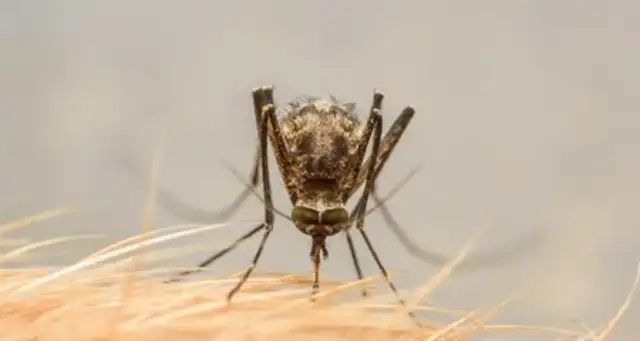
Heart filariasis is transmitted by mosquitoes during the larvae stage. The larvae stage of the heart filaria is called microfilm. The microfilm of the filariasis requires five stages of development to mature into a worm. The first two phases must be carried out in mosquitoes, which takes about two weeks. Since filariasis requires a period of time before infection occurs in a mosquito, it is unlikely that the dog will be infected directly from the infected dog. Mistake 2: Heart filarias only affect dogs in the south of the United States.

Although infection is most common in the south-east of the United States, changes in weather patterns and the artificial climate conducive to mosquito activity resulting from urban expansion are increasing infection rates throughout the country. Differences in the population of shelters in areas with high levels of natural disasters and heartworms have led to the relocation of many displaced pets from areas with high rates of infection in the United States to less affected areas. This migration has increased the number of filariac positive dogs in low-risk areas and may lead to an increase in filariac infection rates in those areas. In addition, filariasis has been found in regions such as Mexico, South America, Western Europe and Asia. Mistake 3: The negative filaria test must mean the dog is not infected.
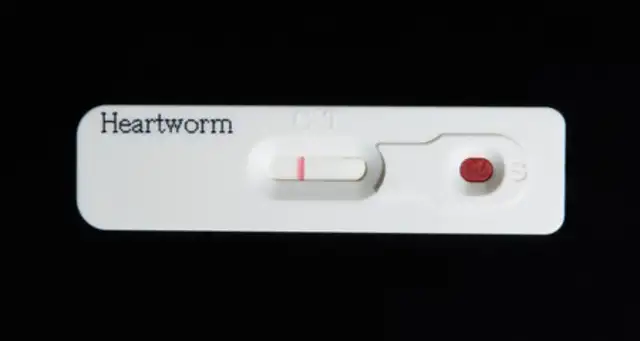
Cardiofilaria blood tests only detect proteins released from adult females. It takes about seven months for the adult to mature from the larvae stage of the first infection of the dog. Thus, during the seven months following the transmission of the infection from the infected mosquito to the animal, the blood test results were not positive despite the infection. As a result of this delay, some seven months after the introduction of preventive drugs, it is necessary to test any “negative” dog only once again to ensure that there is no infection before it begins. In addition, the testing of larvae up to 7 months is not useful (it is usually recommended that the larvae be prevented for more than 8 weeks and then tested to determine if there was a previous infection). Zone 4: A month-old filariat prevention is fine.

A monthly filaria prophylaxis can only reliably kill a dog with a microfilm of less than 40 days in his blood. Prophylaxis can only kill microfilaments in blood some days after taking them. If they are taken reliably every month, there will be no microfilm growing to a more mature stage. If a dose is not taken in the month, the presence of microcrystals will mature to a later stage, and even if another dose is taken next month, microcrystals will not be sensitive to preventive drugs. Once remembered, it would be preferable to recommence the preventive medication immediately, but even if it was missing once, dogs were vulnerable to infection. In addition, sporadic drug use may lead to filariac resistance to preventive medicines over time. Error 5: Cardiofilariat prophylactics contain toxic chemical substances to dogs
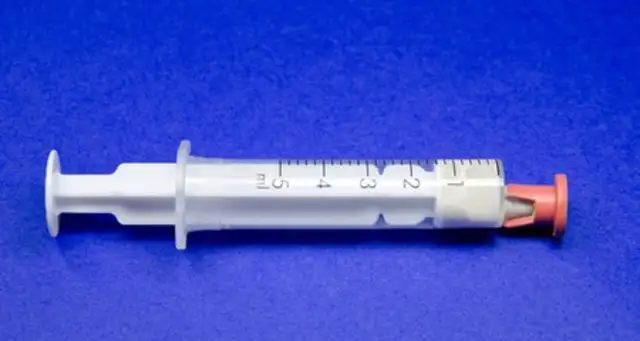
The medications used to pre-empt the heart worm are toxic to the growth of the larvae. In some cases, high doses of the same drugs are used to treat or prevent other types of parasites in pets, horses and livestock. If the dose is very large, the drugs are toxic. However, the dose required to affect the development of microfilament is 200 to 1,000 times lower than the dose that causes any symptoms to normal dogs. A small number of canine-related dogs are less resistant to medications in some of the filariac prophylactics, but even in less resistant animals, small doses in the prophylactics have proved safe. For dogs with this concern, genetic tests by veterinary doctors can help you assess the risks of larvae. For dogs at higher risk, filariat prophylaxis without sensitive drugs can be selected. Zone 6: Cardiofilaria Prophylaxis only prevent filariac.
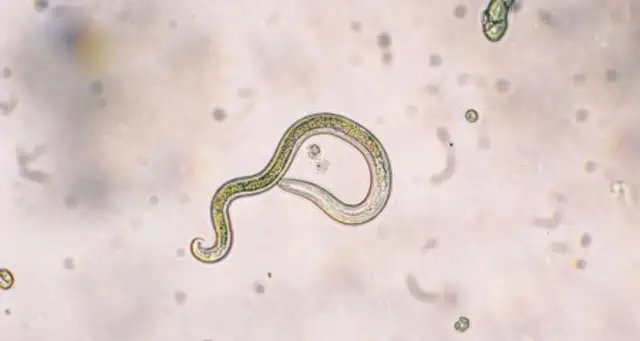
Most filariat prophylaxis also prevent dogs from contracting certain intestinal worms. Thus, the prevention of filariasis has the added benefit of “deworming” and helps to maintain the intestine health of dogs. Zone 7: When dogs have filariasis, there are always symptoms.

Dogs tend not to have any symptoms for months after infection with filariasis. Insects cause damage to the artery of the blood delivered from the heart to the lung, which, depending on the severity of the infection, takes time to develop problems and cause symptoms. As vascular damage continues, it becomes increasingly difficult for blood to flow smoothly from the heart to the lung. Continued damage can lead to heart expansion and failure, as well as acute severe heart disease known as kava syndrome. Either way, it can be fatal. Symptoms of end-of-life filariasis may include coughing, sleeping addiction and inactivity. Erection 8: Heart filariasis can be treated with larger doses of preventive drugs

Cardiofilariat prophylaxis cannot be used to treat insects. Cardiofilariat treatment takes four months and multi-drugs are required on a specific date of four months. Many non-symptomatic dogs perform well during treatment. However, during the two-month treatment period, the patient must rest and cannot exercise any sport, as dying worms pose a serious and potentially fatal risk to the cardiovascular environment. Teeth syndrome due to severe infections requires immediate surgery. Zone 9: Cardiac filariasis treatment will solve the harm caused by filariasis

The treatment of filariasis can only kill the bug and help the body to remove the infection. The damage caused to the blood vessels by the presence of filariasis persists. Most dogs recover well, but even after a few years, there are frequent tissue damage in the artery. Zone 10: Cats don't get filariasis.

Cardiofilarias like to mature in the dog environment. When cats are infected with mosquitoes at the stage of carrying young heartworms, fewer are able to complete the life cycle and become insects. However, the cat ' s immune system has a strong reaction to even a few insects, which can lead to severe respiratory illness and even sudden death. Therefore, parents of pets are usually advised to consider prevention of high-risk cats. Please consult your veterinarian and advise your pet to do so.
Cardiofilariasis is a complex disease, and its transmission and development pathways are complex over the years. Prevention of the disease is effective and desirable compared to the difficulties and risks associated with disease and treatment. Better understanding of the risks associated with the disease and communication with veterinary doctors can help you make optimal management decisions for animals.