Designation: PET1154
National origin: China, Japan, Germany
Vulnerability to diseases: fish plague, white cloud disease, skin disease, rotting tail disease, etc.
Life: Autumn Wall Varieties 10-15
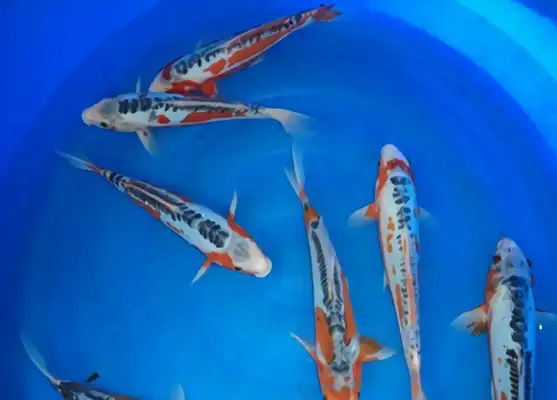
The Autumn Wall is a light yellow wall of the German Wall system, and as a result many people are unable to distinguish it from the Autumn Wall. Autumn walls can be divided into flowers, yellow autumn and autumn, depending on the colour distribution.
Chinese name: Autumn Wall
Geographical distribution: China, Japan, Germany
Reproduction: Eggs
Climatic zone: temperate zone, cold zone Autumn Wall shape
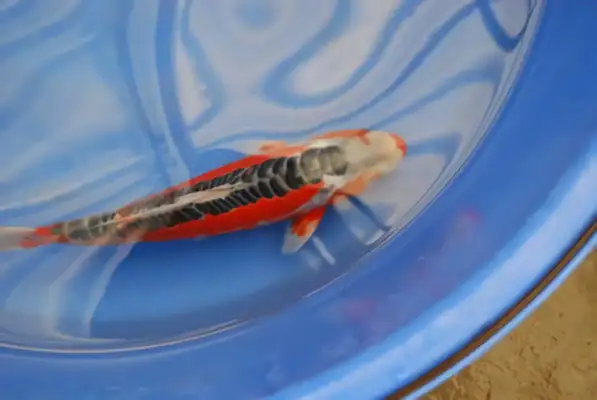
The Autumn Wall, which is the light yellow wall of the German Wall system, can be divided according to their color distribution into Autumn, Autumn and Yellow Autumn, and the skateboards of the different categories of Autumn Walls are distributed differently.
The German Wall system is called the Autumn Wall. The Autumn Wall has a clear light blue head, blue back, red nose, abdomen and fin base, and no shadow or sesame dots. The general German system must have the condition that the tablets must be properly organized, especially if the thick blue line on the back of the autumn is more stringent. It is better not to have a single piece of magma that is often found between a row of scales on the back and a row of magma on the side of the abdomen, known as a “smuggling”. Most of the large pieces are irregular and are called "iron nails" and not worthy of appreciation. Autumn Walls.
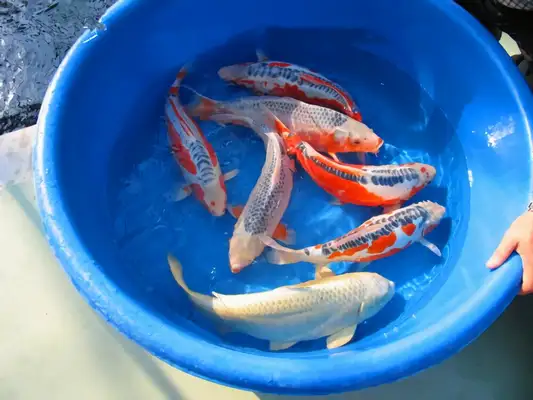
The Autumn Walls, like the Walls' habits, are thermogenics, but they cannot accept mutation in water. The PH is recommended at 7-7.4. Autumn walls are able to grow up in good health, as long as they are maintained in a stable water-quality environment.
The choice of aquariums of different sizes is based on family conditions, but due to the different life habits of the cuisine and goldfish and their high activity volume, the selection of aquariums should not be too small and generally not less than 60 kg. The larger Autumn Walls are raised, and the aquariums are to be increased to a capacity of not less than 200 kg. Due to the high activity and oxygen consumption of the Autumn Wall, the aquariums should be equipped with water filters and oxygen boosters to ensure sufficient oxygen and water quality cleaning in the water.
Large aquariums or larger aquariums can be supplied with air compressors or high-power, high-output gas pumps, and small and medium-sized aquariums or small-scale aquariums may be pumped with special electric mini-aqueous pumps. There must also be sufficient lighting in the aquariums for the purpose of raising the autumn walls, mainly for the benefit of the people, and therefore there must be some lighting in the aquariums. Autumn Wall.
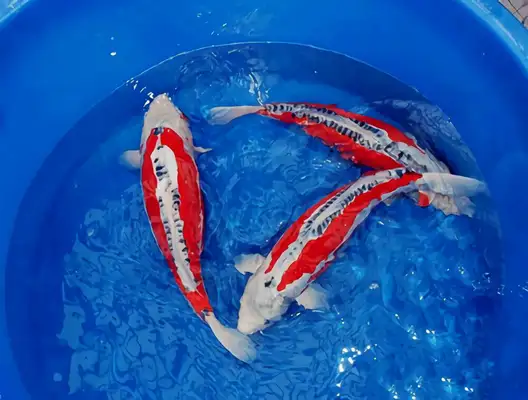
Autumn walls, like other ones, are groceries of fish, forage and live bait. So how can the artificially raised Autumn Wall be scientifically fed to make it healthier?
The Autumn Wall is a groceries fish that can be used as baits for both animal and plant baits, such as fleas, earthworms, rice noodles, etc. But it's better to choose the synthetic bait for the fish viewing. Care should be taken, in the case of aquariums, to ensure that the drop is not too high, that only 70 or 80 per cent of the food is fed on a daily basis, which would have adverse consequences, that the fish would be indigestion, and that the rest of the food would have damaged water quality, and that it would have been better not to feed at night.
The bait must be strictly timed and quantified to keep water quality clean. In general, the number of baits delivered is appropriate for one or two times a day, once in the morning and once in the evening, and should be fed around the evening. In the event of weather changes such as showers and cooling at evenings, a small amount of bait or no bait should be delivered, which can be delivered in the morning. After each drop, the next drop will be determined on the basis of whether the Autumn Wall will be finished within an hour and on the basis of the faecal colour.