Snake skins are not all common but need to be taken seriously. Skinning is the normal physiological process of snakes, and in cases of incompleteness, cracks, and unearthed eyelids, it often implies environmental, nutritional or health hazards. The timely identification and adoption of comprehensive measures often improves and even restores normalcy.
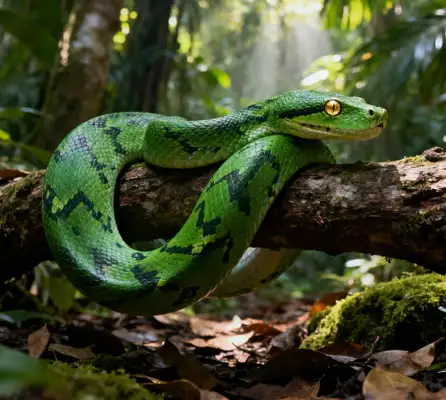
i. Focus on content and focus on symptoms: The insufficiency of skin skins is associated with the insatiable temperature of humidity, an unsatisfactory altercation environment, inadequate nutritional intake, dermal or parasitic disease, trauma and stress. The adjustment of the environment and state of health, supported by safe artificially assisted skin-skinning, should be carried out in such a way as not to cause skin damage as a result of severe torque. Common expression: eyeslids are not removed or partially removed, local cortex on the tail or body is still adhesive, whole-wheel skin loss is delayed, skin skinning is accompanied by reduced appetite, unusual activity or difficulty of breathing. Emergency signal: Skin rupture, red swollen sepsis, seepage, visible signs of pain, persistence of food resistance, difficulty of breathing, need for prompt medical treatment.
II. Analysis of environmental factors for the main causes: low wetness or excessive temperature fluctuations leading to inadequate skin softening. The requirements for humidity vary from snake to snake, and appropriate humidity gradients need to be established in combination with species and age. Nutrition and metabolism: Inadequate or irregular intake of proteins, fats, vitamin A, D3 and minerals, or chronic feeding, affecting the renewal of skin horns. Health problems: parasitics, skin infections, inflammation or trauma all interfere with normal skin-skinning processes. Older persons or reduced immunity are also vulnerable. Stress and environmental complexity: frequent movement, noise and conflict with other animals in the cage can increase stress levels and affect skin loss. Water quality and care habits: Chlorine, contaminants and unclean water basins in piped water can stimulate skin and affect skin skin loss; excessive cleaning or the use of irritant drugs is also detrimental.
III. Preventive management (keys of daily conservation) humidity and temperature: A stable habitat temperature gradient is provided for snakes, approximately 28 to 32°C in the day-day Basking area and 25 to 28°C in the bottom environment; moisture is usually 50 to 70% depending on the variety, and higher for those that require higher humidity. Regular monitoring of humidity/thermometers. Nutrition and feeding: Provide high-quality sources of animal protein that are regularly fed to avoid chronic hunger; moderate supplementation of micronutrients such as vitamin A, while avoiding overdose. Ensure a clean and adequate water supply. Skin health and cleanness: Avoid over-cleaning leading to damage to the skin barriers; periodically check whether there are signs of bumping, red hair, broken skin, etc., and find unusual and timely treatment. Environmental design: Provide shelter and reptile structures to reduce unnecessary stress; ensure that shelter boxes are appropriate in size, well ventilated and not sharp. Observational records: regular photographs, recording of skin-skinning dates, skin-skinting integrity and appetite, weight, etc. to facilitate the identification of trends and early intervention.
IV. Complete response (steps) to artificially assisted skin skin skin skins: Initial assessment to observe the skin skin zone: if there are eye patches attached, tails attached or some body adhesion; if there are signs of skin break, swelling or infection. Environmental inspection: Temperature and humidity, water basin, water quality (e.g. chlorine content), light and noise, recent movement. Dietary and body weight: latest feeding, weight change, and continued food denial.
2) When no skin damage, no signs of serious infection and the general state of the snake are detected in the premises of mild intervention, consideration is given to environmental regulation and a warm and wet bath as the first intervention. In the event of visible skin damage, seepage or pain, the vet should be consulted as soon as possible to avoid self-treatment.
3) Temperature wet bathing and softening temperature control: The water temperature is about 35 - 37°C. The depth of the water is appropriate to cover the back of the snake body to avoid immersion of the head. Time and frequency: Initial wet bath 10-15 minutes, gradually adjusted for snake reaction; once a day, 2-5 days if snakes are comfortable. Auxiliary scrubbing: after a wet bath, light rubbing of adhesive areas with clean, fuzzy soft cloths or disinfected tampons, avoiding tearing or pulling; and repeated wet and light rubbing of difficult areas.
4) Gradually remove the sticky cortex from the cortex, using warm wet towels or tampons, and lightly push the sticky coding along the edge of the scales, so as to complete the fall without intrusiveness. If the adhesive area is hard to handle, do not force the ripping in order not to tear the real cortex. If the blindfold remains undefended, it is not forced to be removed; it may be attempted after the number of wet baths or treated by professionals.
5) Following the completion of the skin loss observation and follow-up care, maintain a suitable temperature and humidity, provide a quiet environment, and observe the spread and colour of new clothes. The diet gradually recovers from skin loss by 1-2 weeks, and any reduction in body weight requires an assessment of undernutrition or potential health problems.
6. Medical treatment should be provided as soon as possible when there is a need to visit a doctor for skin damage, seepage, red swelling, septification, continued food denial, sleep addiction, breathing difficulties or repeated failure of skin skin skin. In the absence of a response to environmental adjustments, especially in the case of long-term insufficiency of skin skin, there is a need for comprehensive health checks, including parasitic screening, skin culture, etc.
V. Practical lists and necessary precautions: thermometers, humidity meters, hot water basins, soft cloths or fumigated cottonmarks, chlorine-free water, snake-cylinder shades, logbooks. Prohibition of forced tore, avoidance of the use of irritating substances, avoidance of wet bathing at extreme temperatures, avoidance of the deepness of the basin over the neck of the snake, avoidance of self-treatment of cases with visible skin damage. Recording and follow-up: Create skin-skinning journals to record wetness, temperature, feeding, skin-skinting state and body weight changes to facilitate adjustment programmes.