Designation: PET4760
Vulnerability: ballworms
Life: a 5-6-year species profile for the Jersey hare
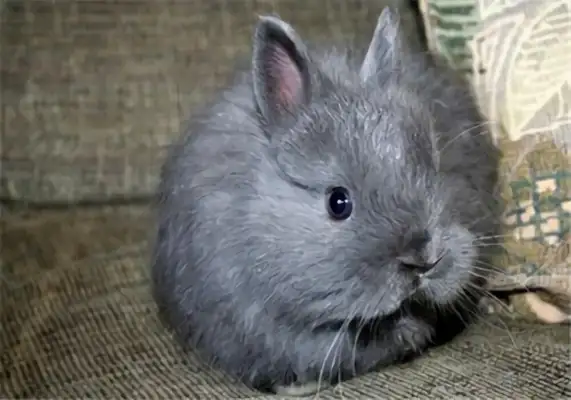
The Jersey hare is a small pet rabbit variety that was cultivated by the French Angolan hare and midget hare mix. Jersey hares are rare in our pet market.
Chinese: jersey hare
Latin name: Jersey Wooly
Don't call it "Jersey Witter."
Context: Animals
Gate: Pipeline gate
Programme: Lactation Programme
FIND: RABBITS
Section: Rabbit Section
Yes: Rabbit
Of course.
Origin: New Jersey
Practising: Very tame. They're not resisting when they're hugged or combed.
Characteristics: Weight: 1~1.5 kg short, round.
Accreditation: American Rabbit Breeders Association, ARBA. The morphological features of Jersey's hare.
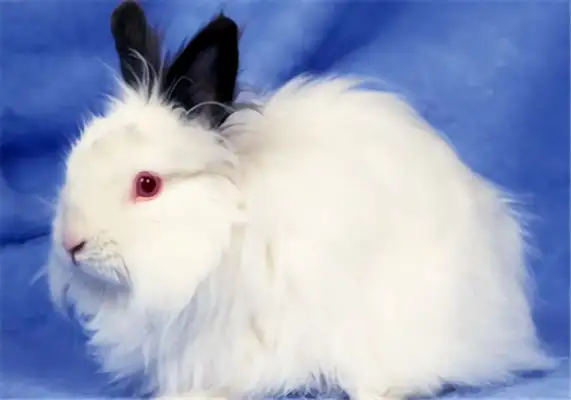
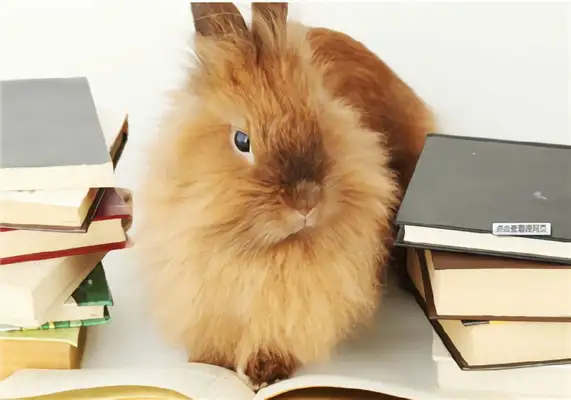
Jersey hares are pet rabbits of smaller size, with a standard body weight of less than 3.5 kg, ears of less than 3 inches and hair not less than 1.5 inches. The standard shape for this category is small, round, large and rolling, with some hair around the head. The ideal length of the ears is around 6 cm, and the eyes are rounded. The hair of the body is dense and numerous, with an ideal length of 5 cm to about 7.5 cm. If the Jersey hare has a long body, long face, thin ear hair, easy hair to produce hairball, etc., it is the failing Jersey hare. Jersey hare care.
The greatest difficulty for the care given as a species of fury-breather rabbits in Jersey is the regulation of summer temperature, which is insatiable to high temperatures, easy to heat and prone to disease.
I. Summer cooling
Cut your hair early in time. Rabbits are kept in cages, which are placed in cold, ventilated areas; open-air rabbit houses can be built around rabbit houses or shaded trees, flowers, etc. If the temperature in the house is too high, it can be cooled on the ground, often with dry sand, slag or lime, and a wooden sheet bed of 8 to 10 centimetres from the ground can also be placed in the rabbit's house, leading the rabbit to bed in order to prevent disease caused by dampness.
Reasonable feed
High summer temperatures and poor appetites for rabbits require “breed breakfast, less lunch, plenty of dinner, more grass at night” and arrange for 80 per cent of a day's feed to be given in the morning and at night, with appropriate additional green and juicy feed at noon, as well as adequate clean drinking water and salt to be added to the water to supplement the consumption of salt in the body, in the interest of heat and thirst.
In addition, special attention should be paid to forage hygiene, so as not to feed herbs, not to feed greens with mud, not to feed herds of heat, not to feed herbs of decay; Where necessary, a small amount of garlic, onions, beryllium or urcin may be mixed in feed to prevent diseases such as diarrhoea, gastrointestinal inflammation and spherical disease.
III. Summer prevention
During the summer, high temperatures, high humidity and rapid growth of the fungus are maintained, rabbits are kept clean and their cages are rinsed, floors are replaced, faeces are cleaned, fodder is sterilized and diseases are prevented. Jersey's Rabbit Living Environment
The high environmental requirements of the Jersey hare are such that the Jersey hare is prone to disease in an inappropriate environment, which is a rabbit that is not highly adaptable to the environment, and therefore provides reasonable temperature, humidity and ventilation in breeding.
I. Temperature requirements for Jersey hares
Jersey hares are very sensitive to the environmental temperature because of their extreme underdevelopment of their sweat glands and their heavy surfaces. The optimal temperature of rabbits is 30 ~ 35 °C, juvenile rabbits 20 ~ 25 °C and adult rabbits 15 ~ 20 °C.
Jersey hares are more resistant to cold temperatures, and healthy rabbits are still able to survive at 20-30°C and do not freeze to death. However, in order to maintain physical temperature, more nutrients are required, and failure to meet the nutritional requirements has a clear impact on both gross production and weight increase. The environmental temperature requirements before and after the hair of Jersey's fur rabbits vary considerably. The hair is condensed and the body heat spreads less; the body hair of the poaching body is short and the heat spreads can increase by more than 30 per cent. Therefore, in the cold seasons, poaching must be carried out in order to prevent cold fever, but after four weeks of poaching, ambient temperatures can be maintained at 5-15°C to promote rabbit hair growth and increase rabbit production.
II. REQUIREMENTS FOR JAZEY'S WATER RABBITS
The most appropriate relative humidity is 60 ~ 65 per cent in the hare-dry environment in Jersey, which should generally not be less than 55 per cent or more than 70 per cent. High-temperature, high-temperature and low-temperature high-humid environments have a greater impact on the Jersey hare.
The air is soaking up that the cage is soaking wet that it is contaminated with fur, which affects the quality of rabbit hair and contributes to bacteria, parasites and breeding, leading to the spread of gills and rashes. On the other hand, the air in the rabbit's room is too dry to be wet for long periods of time, which can also lead to roughness and a decrease in the hair quality of the rabbit; and to dry fractures of the mucous membranes of the respiratory tract, causing bacterial, viral infections, etc.
The main reason for the increase in humidity of rabbits is the excretion of urine from the rabbits in Jersey, the outpouring of water vapour and the washing of water on the ground. In order to reduce the humidity of the shears, ventilation may be enhanced, or lime may be sprayed, grass-wood ash, etc. During the rainy and wet season, the house may be cleaned with minimum water.
III. Extremism in Jersey ' s hare environment
Ventilation is a good way of regulating the temperature and humidity of rabbits' premises. Ventilation also eliminates the presence of polluted gases, dust and excessive water vapours in rabbit houses and can effectively reduce the incidence of respiratory diseases.
Ventilation is generally divided into natural and mechanical ventilation. Natural ventilation is commonly used in small rabbit farms, where air from doors and windows is used to regulate flow or roof vents and vents. Large- and medium-sized rabbit farms often use ventilated or air-emitting mechanical ventilation, which is mostly used in hot summers and is an auxiliary form of natural ventilation. Appropriate wind speeds in rabbit houses are 0.4 m/s in summer and 0.1 to 0.2 m/s in winter. It is important to guard against the invasion of thieves while ventilating. Reducing the concentration of hazardous gases in rabbit houses can also maintain fresh air in rabbit houses by cleaning, washing and improving ventilation. What's the point of raising a rabbit in Jersey?
The best food in Jersey is forage and hay, in which the choice of feed requires attention to issues such as the fact that some food is not suitable for the rabbit, so the following recommendations are made for the feed ratio of the rabbit in Jersey.
I. Scientific formulation of feed at full price for rabbits
In maize, 17 per cent, beryllium, 24 per cent, soybean bean, 21 per cent, imported fish powder, 3 per cent, active yeast, 30 per cent of herbal powder, 0.75 per cent of salt, 0.4 per cent of lysine acid, multivitamins, micronutrients, and livestock, 30 grams of ethanol per 50 kg of feed, for the liver oil of fish.
II. Considerations for designing feed formulations
1. The use of spoiled and toxic raw materials is strictly prohibited. For example, non-detoxified pancakes, cotton pancakes, etc.
2. The matching is correct and the mixing is even, especially when the various additives are used, it is important to have a clear picture of the volume delivered and the method used.
3. Since raw bean cakes and raw soybeans contain harmful ingredients such as insulin-resistant protein and enzyme, which have adverse effects on rabbits, it is inappropriate to feed them and must be cooked.
4. Refrain from choosing low-quality pellets and feathers to ensure the health and safety of feed.
Salmon powder should be preferred, followed by peanuts, weed powder, straw powder and soybean straw.
6. It is not appropriate to exceed 20 per cent in juvenile rabbits.
7. Forage for rabbits should be stable over the long term, from the beginning of young rabbits to the end of the phase-out, and no random changes in feed formulations should be made in the mid-way to ensure normal nutritional needs and a steady high yield.