The lack of iguana vitamin A is often signaled by eye and skin problems. It is closely related to dietary structure, digestive absorption, environmental factors, which, if left unchecked, can turn into chronic inflammation, reduced immunity and even affect growth and reproduction. The following steps, from symptoms, causes, diagnosis to a complete response, help you to grasp the points and improve the health of lizards as soon as possible.
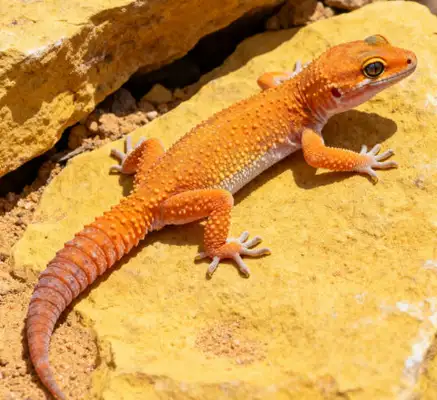
The content focuses on the appearance of eye diseases: swelling of the conjunction, increase in eye mucus, increase in the osteoporosis, amplification or ulcer, drying of the eyelashes or the skin around the eye, susceptibility to irritation. Skin problems: drying, scavenging, increased shredding, drying of mucous membranes, even localized infections or chronic inflammation. Accompanying performance: reduced food intake, weight loss, reduced vitality, slow response to environmental stimuli, etc. Pathological clues: single diet, lack of green leaves and vegetables rich in vitamin A, low absorption of fodder by lizards, reduced intestinal absorption capacity, chronic environmental ill-light or inappropriate humidity, or other chronic diseases. Diagnosis point: Based on clinical performance and rearing history, veterinary doctors are required to conduct eye examinations, skin assessments, blood and excreta tests to remove complications such as parasitic and fungi infections, if necessary. Vitamin A blood levels are not the preferred indicator in all cases, but combined with symptoms and dietary history is the most useful.
Recommended measures (complete response, phased implementation) 1st week: Identification and assessment of initial care visits: taking lizards to a specialist veterinary clinic as soon as possible to determine whether vitamin A is lacking. Doctors may make preliminary findings through eye examinations, skin assessments and dietary history, and exclude other reasons. Eye care: In the case of increased mucous or inflammation, the use of artificial tear or animal eye water for lubrication, the avoidance of self-absorption, or the use of inappropriate external drugs to prevent corneal damage. Any antibiotics or anti-inflammatory drugs should be used under veterinary prescriptions to avoid abuse leading to resistance or side effects. Initial adjustments to diet and supplementation: Increased intake from vitamin A sources without waiting for diagnosis, but without high self-dose supplementation to avoid overdose of vitamin A. The choice of green leaf vegetables and carrot-like vegetables acceptable to lizards is accompanied by appropriate amounts of high-protein food to ensure sufficient total heat.
Second week to fourth week: foods enriched with vitamin A precursors, such as green leaf vegetables (e.g. kale, kale, spinach, etc.) are increased by diet enhancement and environmental optimal diet restructuring: some vegetables have higher levels of herbal acid, which need to be fed together, combined with colourful vegetables such as carrots, peppers and pumpkins. For lizards fed by insects, the “intestinal load” strategy is used to feed living insects with a rich source of vitamin A before feeding. A few hours to improve intake, but medical advice is still needed to avoid overloading vitamin A insects. Dietary diversity and balance: combine animal proteins with plant proteins to ensure a comprehensive balance of fat, vitamin A, vitamin D, etc. Oral formulations or emulsions for vitamin A supplementation are issued by veterinary doctors, when necessary, with sub-utensils based on body weight/surface area, to protect against one-off large doses. Environment and Lighting: Provide suitable UVB lighting and day and night rhythms, maintain temperature gradients and appropriate humidity, and contribute to overall metabolic and skin health. Take care to avoid direct exposure to high-temperature burns, regularly clean up the habitat and reduce the growth of skin pathogens. Local care and monitoring: continued attention to eye and skin conditions and timely access in case of deterioration, seepage or increased pain.
III. Fourth to eighth weeks: Assessment of visits and long-term management visits: back visits to veterinary doctors to assess improvements in eye inflammation, skin sheet renewal and weight change. If necessary, drug doses, supplementary schemes and feeding programmes are adjusted. :: Long-term complementary strategy: to gradually establish a stable level of vitamin A intake under the guidance of a doctor, avoiding shortages or excesses. For high-risk varieties, there may be a need for sustained low-dose vitamin A supplementation or long-term programmes based on metabolic pathways for precursor substances such as beta-carrotin. Precautionary measures: Continue to maintain a variety of diets, regular management of environmental light and humidity, avoiding a single diet. Periodic health checks, especially eye and skin assessments; medical treatment should be provided as soon as possible in the event of new eye pain, conjunction or continuous drying of skin by lizards.
Specific priorities for care are absolutely free from high-dose vitamin A injections or long-term high-dose oral doses, which can lead to vitamin A poisoning, liver and kidney stress, appetite, skin alteration and even death. If there is a visible ulcer, rupture or septification in the eye, specialist drugs should be used under veterinary supervision as soon as possible, and no human drugs or general microbicides should be painted on their own. Dietary regulation should be individualized: the demand for vitamin A varies considerably from lizard to lizard type, and is best developed in conjunction with veterinary and rearing specialists. Recording and communication: establish daily records of feeding, weight, eyelids, skin conditions and defecation habits to assess trends for improvement and to facilitate access to information.