Crawling to death: when and how to think about it
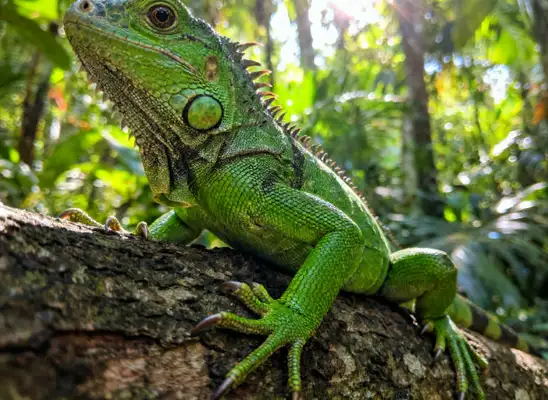
For tortoises, lizards, snakes, etc., pain and disease are often difficult to express in language, and the masters often sway between emotion and reason. Euthanasia is not an abandonment of care, but an option to alleviate irreversible suffering for animals and to make the last day as dignified as possible. The following are focused on content, implementable measures, and a complete set of responses that will help you to look at the process scientifically and gently.
The content focus is centred on the quality of life. Assess whether animals are still able to eat, move, breathe and interact in a relatively comfortable manner and whether there are persistent signs of pain. The possibility of euthanasia needs to be carefully discussed when irreversible diseases, continuing suffering and aftercare effects are limited. Early communication with veterinarians. Early consultations are held with vets familiar with reptiles about the nature of the disease, the boundaries of treatment and the conditions of euthanasia. If necessary, a second opinion is sought. Emotional and ethical balance. The emotional needs of family members, individual differences in pets and preparation for separation should be integrated into the decision-making process, avoiding placing factors such as grief and stress on a single person. The process of euthanasia and follow-up. To understand the manner of execution, the location, the company and the disposal of the remains, and to prepare psychologically and physically to ensure as calmly as possible and without suffering.
Suggested measures for observation and documentation. Daily observation records are established to monitor changes in weight, food intake, water intake, activity, sleep, excretion, breathing, pain signals (e.g., reluctance to open mouths, shrunk walls, refusal to touch, etc.) and response to environmental irritation. Quality living table. Targeting key indicators with simple metrics, setting a threshold to help judge whether or not to enter the phase of “unmitigated pain and reduced quality of life” will facilitate discussion among families. Medical assessment and boundaries. In conjunction with veterinary doctors, identify treatment targets and boundaries, understand which symptoms can be mitigated and which conditions are irreversible failure, and consider further examination if necessary (images, blood tests, metabolic assessment). Last-minute care and mitigation. In addition to drug treatment, the home environment is optimized: temperature and humidity are stable, gasking is appropriate, shelter is hidden, drinking water and food is easy to swallow, and stimuli and stress sources are reduced. Drug use requires specialization. Pain management, antibiotics, etc. should be used under veterinary guidance, with attention to the difference between side effects and reptile-species, in strict accordance with the dose and course of treatment. Family participation and emotional support. Faced with their families, avoiding enormous stress on the individual; if needed, seek the support of friends, peers, psychological counselling, or in the oblivion. Euthanasia execution and remembrance. Knowledge of site selection (executed at the clinic or at home), accompanying and appeasement during the process, as well as after-effect disposal of the remains, manner of memorialization (in situ burial, cremation, monuments, etc.).
A complete set of (step-by-step) Step 1 – Preliminary confirmation of whether consultations with veterinary doctors are on the path to euthanasia when disease is irreversible and pain is difficult to control and quality of life continues to decline. Recording signs and changes in the recent period and preparing points of communication with families.
Step 2 — Quality assessment and evidence collection: A daily count of weight, diet, activity, breathing, pain signals, degree of interaction, etc., using simple quality-of-life scales. If data continue to move in a negative direction, this is the basis for the discussion.
Step 3 - Medical assessment and options: Veterinary doctors are requested to perform necessary examinations to verify the existence of reversible factors (e.g. infection, dehydration, metabolic disorders, undernutrition, etc.). Assess the effectiveness of pain relief and support for treatment and identify borders.
Step 4 - Family Discussions and Consensus: Transparent statements that bring medical assessments, the current state of animals and personal feelings to a common understanding among families. Identify participants, time, location and quiet environmental settings.
Step 5 - Selecting how and when to implement it: deciding whether to complete it at the clinic or at home, pre-positioning emotional support programmes for carers and children. Prepare the hidden areas, temperature control and companions that pets love.
Step 6 - Implementation and accompanying: euthanasia under the supervision of a veterinarian, usually by means of intravenous drug injection to bring animals into deep anesthesia until natural death. Lights are kept quiet, soft and the family is present as far as possible to avoid sudden irritation or stress to the pet.
Step 7 - Dealing with and mourning for the remains: After the end of life, choose how the remains will be disposed of and schedule their journey. It then entered the mourning phase, allowing itself and his family to step out of the emotional shadows and, if necessary, to seek psychological support or help from the same community.
The small stickers try to avoid allowing the pets to enter their final phase in high stress and to do their daily rest and stability work ahead of schedule. For reptiles, not all signs of pain and discomfort are visible, and minor behavioural changes are of concern. If there is a child in the family, explain the separation in as simple and sincere a language as possible, giving the child time to express feelings and participate in the commemoration.
The final words are not euthanasia, but a less painful farewell for pets when a dignified quality of life cannot be achieved. With scientific judgement, sincere communication and gentle company, helping to climb through the last path is also a respect for their years of company. If you want, I can help you design a more realistic observation form and communication point based on the specific illness, age and current state of your pet.