The iguana tail mutilation is a common defensive reaction, especially in the home environment, where factors such as error, shock or inadequate shelter conditions can be triggers. An understanding of the causes and regenerative patterns of tailings contributes to early intervention, reduction of complications and improvement of the quality of life and health of lizards. The following is an overview of causes, mechanisms for regeneration, priorities for care, etc., and a complete set of responses.
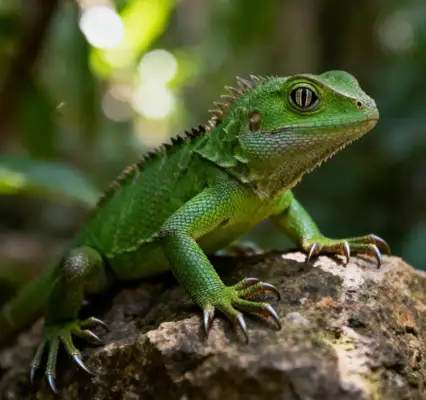
The main causes of the content are: threats from predators, false grips or strong irritation, environmental noise and vibrations, instability in the temperature and humidity of the habitat, increased pressure due to high animal density, risk of scratching and infection with wounds caused by skin-skin difficulties, and discomfort caused by parasites or diseases. Physical and regenerative characteristics of self-cuts: While the post-discretion end is usually clear and can temporarily stop the bleeding, for most lizards, the new tail is a cartilage structure rather than the original skeletal skeletal, the appearance and colour of which are often different from the original, the ability to store lipids is reduced and the strength of mechanics is relatively weak. Regeneration times vary according to species, age, health status and conservation conditions, often ranging from weeks to months, and repeated and continuous self-cutting can lead to chronic energy depletion and malnutrition. Risks and care features: increased risk of infection, slow healing of wounds, difficulties in skinning, loss of weight and increased hidden behaviour all require attention. It is not always easy to distinguish between self-cutting and wrong injuries, noting signs such as whether the edge of the wound is neat, whether there is continued haemorrhage, whether the wound is extended and whether the tail base is red and swollen. The principles of identification and prevention: Early identification of triggers, improved environment and treatment, and improved nutrition and moisture management are key to reducing the probability of tailing and improving the quality of regeneration.
Suggested measures for initial treatment and appeasement: Keep the environment quiet in case of tail injury, avoid strong light and noise irritation, and keep the lizard as low as possible under stress. Haemorrhage and scavenging: if haemorrhage occurs, the blood can be stopped for one to three minutes with light pressure from clean sterile gauze; the use of high irritating disinfectants is avoided, so that the wound is not further irritated. Environment and habitat: Provide a warm and humid habitat, adequate shelter and reptile space, and avoid competition for territory or disturbance with co-cage lizards. Nutrition and water: Ensure high-quality sources of protein, adequate moisture, digestible feed, nutritional supplementation and vitamin control, as necessary, under veterinary guidance, to help repair and regenerate wounds. Infection control and drug management: if the wound is sept, hemorrhagic or persistent, appropriate local antibacterial ointment or whole-body treatment should be used under veterinary guidance, with no long-term use of antibiotics. Monitoring and documentation: daily recording of body weight, food, water, end-end changes, skin-skinning progress, photo retention to facilitate assessment of recovery progress. Prevention of retrieving: keeping hands mild, avoiding sudden tremors and heavy handling, leaving the lizard with a fixed safety zone and a safe place to hide. Access to medical care: If the wound is extended, sustained haemorrhages are sustained, high red and swollen pains are high, weight is rapidly reduced and mental state is chronically low, access to medical care should be made as soon as possible; professional assessment is also required in case of end-mortem development abnormality, change of colour or apparent abnormality.
A complete set of responses (steps) 1) The immediate phase (0-3 days) transfers lizards to quiet, temperature-stabilized areas to reduce stimulation. Assessment of haemorrhage and, if so, the use of clean gauze for two to three minutes. Light cleaning of the area around the wound with physico-saline water to avoid direct contact with irritant solvents such as alcohol and iodized alcohol.
2) During the early care stage (3-14 days) the medical application of local antibacterial ointment or medication is followed, which is often painted in accordance with veterinary instructions and which keeps the wound clean and dry. Provide high-quality proteins and digestible foods, ensure water intake and avoid hunger and dehydration. Relocation of the environment to the lizard comfort zone; provision of shelter to reduce pressure.
3) The mid-term assessment phase (2-6 weeks) measured body weight on a weekly basis, recording end-end recovery and taking photographs of progress. Observe whether the tail regenerative is evenly grown, the colour is normal and there are signs of infection (red edema, heat pain, seepage). If there is a decrease in appetite or an abnormal behaviour, the consultations are conducted in a timely manner.
4) The long-term care phase (2-6 months, depending on the species) continuously monitors the strength and function of the regenerative tail, avoiding over-extraction and severe motion leading to further injury to the end of the end. Maintenance of stable nutrition and environment, minimization of stress and regular health screening. Recording and communication: establish a follow-up plan with veterinary doctors to conduct video screening, infection screening or nutritional assessment, as necessary.
5) Precaution and education time to optimize the breeding environment: suitable temperature gradients, humidity, lighting and shaded areas, effectively reducing stress and scratching behaviour. Avoid unnecessary handling and intimidation, and educate family members on the correct methods of capture and observation. Safety cages and habitats are set up to reduce the impact of lizards on their daily activities or squeezing.