Designation: PET5682
English name: Ceratophrys ornatta
Vulnerability: eye blindfolding, red leg disease
Life: 4-5 years
Price: Overview of the 150-180 frog species
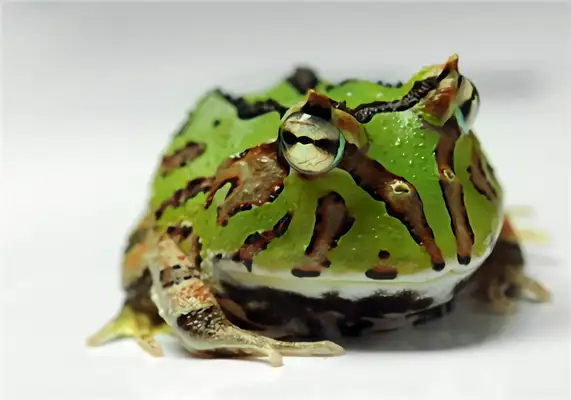
Frogs are very special because of their appearance, and the genie has always been the most popular pet frog in the world. They can be seen almost anywhere with aquariums. In recent years, the name of the employed has changed to the "Founding Frog".
Those who have raised frogs know that frogs eat only all day, with a large mouth covering almost half of their bodies, a structure that can be described as evolving in order to eat in large quantities. It is the so-called mouth that eats all over the world, with at least six species of frogs, the most common of which is C. ornatta, and the most expensive of which is the Amazonian horn frog, also known as the king frog, at a price of 10,000 yuan. That's not true.
Chinese literary name: Frog
Latin name: Ceratophrys ornatta
Area: Animal
C: Toy Section
Latin
Region: Argentina, Uruguay steppe and Brazil
Food: Frog morphological characteristics of predators or small vertebrates
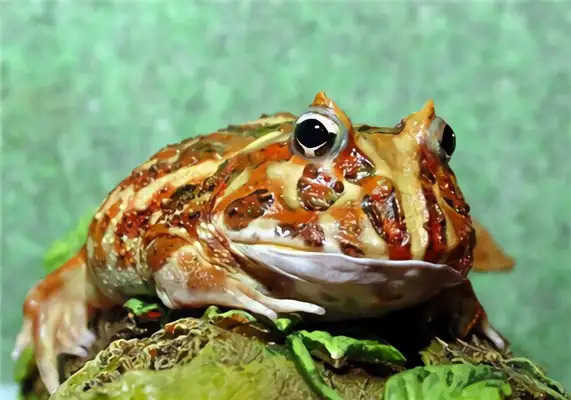
Frogs are typical of the two condensed big eyes and the diamond horn above them. They are typical foods, and their body weight is growing at a very high rate, with almost every frog in short and fat shape.
The shape of the horn frog is like a stubble, with a large mouth full of thin beaks, with yellow, yellow and green under the skin, with irregular black, morphine red and light brown stripes. The whole body was covered with pellets, big and small.
Male body 100 mm, female up to 125 mm. The body is often buried in the ground waiting for prey to come to the door. Frogs are colorful, horny, gruesome and brutal, and they are the devils in the frogs. Frog breeding environment
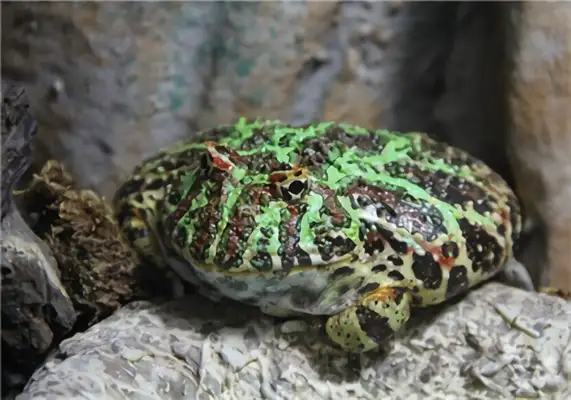
Frogs belong to amphibians, and young frogs live in water and are able to adapt to land life when they reach adulthood. The colour of the frog changes with the four seasons, usually showing a similar colour to the environment and not being discovered by the enemy, thus protecting themselves.
Frogs can be raised in any watery space, of any size, as long as the depth of the water does not exceed half its height, they can live well and they are not in high demand for temperature, and any living food that can be swallowed, such as small fish crickets, or rocked meat. Dead rats and so on are all on their own, and still food is invisible. The main food of the native horn frog is the larvae of the same species, so it is not suitable to mix with other frog species or those of a very different size.
An adult frog (4-6 inches long from the kiss to the spill hole) can live comfortably in a plastic locker or a 10-gallon-sized aquarium. If you're just interested, you don't have to use the pads. Coconut is a good choice if it needs to be displayed (depending on how thick you want your frog to bury itself); do not use stones to avoid swallowing them as food. To keep the horn frog well, remember not to be exposed directly to sun or other strong ultraviolet light and to light, to use fluorescent lamps in aquariums, or general white tubes. The water in the rearing tank would be better replaced daily and the coconut would be replaced on January. In particular, when excreta are seen, it is even more important to clean up as soon as possible, as the chemical components of excreta can harm the health of frogs (and other amphibians). After full eating, the frog hides the body in the bottom and shows only the head. Every day, fresh water is sprayed in the rearing cask to maintain the humidity in the cask and to avoid drying the skin of the frog.
It is best that the feeder avoids touching the frog (and other amphibians) with his hands in direct contact and that he removes the frog from the bottom by netting or shoveling when the bottom is replaced, and moves it to the plate clean, and that once he has been exposed to the frog and other amphibians, he must wash his hands completely. Frog feed.
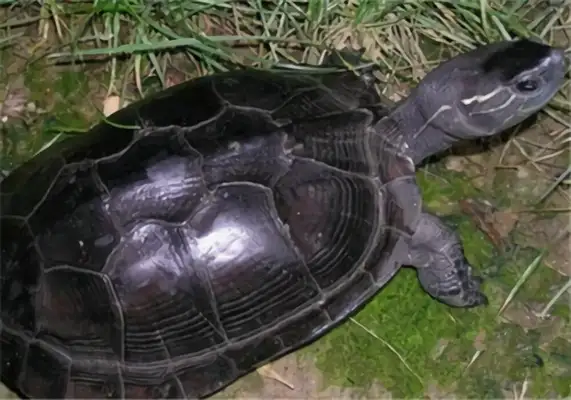
If you've raised a frog, then you know that the frog is a fat man who can't eat enough, and they're all here if the bait shakes in front of it. And there's one thing that doesn't happen to frogs who don't eat dead animals, but they do as long as you shake them in front of them. In order to take into account the health of the diet, it is suggested that families should be best fed by bait.
Frog foods include all moving insects, earthworms, goldfish, mice and frogs, and basically they eat everything. It's been a long time, even meat. Feeding with a plier and swinging the bait to bait, or rubbing the mouth of a horny frog to stimulate appetite. As for the frequency of feeding, for a frog of less than 3 cm, about two to three days a cricket or goldfish is fed. If they are fed too much, they are repulsed and even die. The best feeding time is morning and evening, and of course in the afternoon, it's just a little slow. When the frog is larger, it is fed to the mouse, but each time it is fed, it is lengthened, approximately 7-10 days. If fed often, they grow fast, but they only grow fat, not muscles and bones. The main food in the native horn frog is the same larvae, so it is not suitable to mix with other frog species or the same sizes.