In the summer, in addition to the prevention of the heat in the dog, it is also a season of skin disease, which, due to high summer temperatures and high ultraviolet radiation, adds flower seedlings to the flower trees, as well as the time when mosquitoes, lice, fleas reproduce, all of which can cause the dog to become allergic to the skin, with symptoms of skin itching and rashes. When dogs itches, they scratch themselves and they smoke their skin, and we'll learn to identify the symptoms of skin disease.
Skin diseases common to dogs are fleas, fungi, mites, rashes, sepsis, lipid spills, allergies, etc.
A flea.
Causes of illness: lack of timely cleaning
Hair-prone areas: back, lower abdomen and groin.
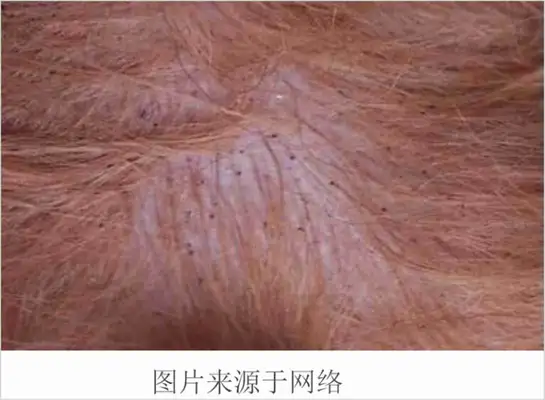
Symptoms: Pulling out the covered: can see the small black dots (cure) and white dots (eggs) of fleas on pets
Treatment:
1: Flea infection, commonly accompanied by dog lice removal rings, a simple method that lasts three to four months;
2: The hair of a shampoo can wash or kill fleas with hair, but without continuous effects, the infection of fleas cannot be controlled with a single shampoo;
3: Powdering (e.g., beryllium) with a pharmacist powder, which is thrown back into the hair and which is then smoothed;
4: The internal flea-killing agent can kill the flea.
Prevention methods:
One, when the dog goes out, sprays it. Bugs. Water
2 with a dog-specific jump. Daphnia. Soap bath. The first time a dog showers, he puts soap on the dog and then rubs out a foam so that bubbles stay on for a few minutes, effectively killing fleas and eggs.
3. Regular cleaning of dog supplies, such as doggie sleeping mats, velvet toys, etc., all have the potential to get fleaed eggs, and regular cleaning is important to avoid flea spreading at home.
II: fungi:
The fungus, also known as money, usually starts at the beginning with a small circle, with a slow increase in hair that breaks, and then spreads to all parts of the body, mostly from the head and limbs. It's getting worse.
Causes of illness: 1. Undried hair is the main cause, 2. Malnutrition, weak resistance; 3. Physical bruises, contact with dogs and contaminated equipment; 4. Physical injuries are easy Okay.
Hair-prone areas: Headtops, around mouths, limbs are common
Symptoms characteristics
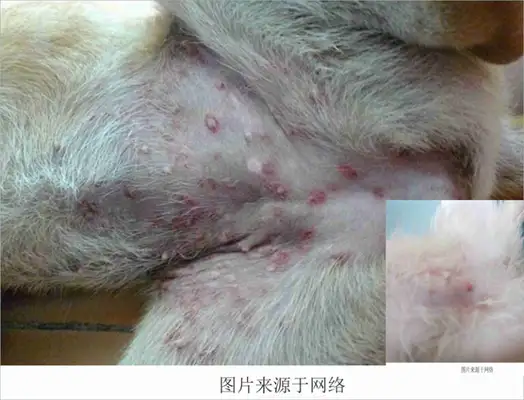
1. The site is generally elliptical or circular, with clear boundaries with a healthy skin, with hair stripping, a partial white powder collide, and a red bulge below and around.
2. Skin is easy to strip off, skin is smooth and skin is not thicker, but it's less itching to form a large area of beehive.
It's probably a little bit of skin. It's like a slab.
Treatment
1: Pittphene spray (Tephinephin hydrochloride spray), skin cream, etc., 3-4 times a day, for external use.
2: The fungus is extremely severe and can be orally pure (see also the ingredient of thiphene hydrochloride). Oral resistance to fungi is expected to cause significant liver and kidney damage for a maximum of three days.
3: All over the body, requiring a bath, bathing with Vixen antifluenza fluid, colouring with hair, and without fear, as long as the body of vitamin c is wet and rubbed with hands on the dog hair.
In combination with treatment, dogs can increase their own resistance by dripping Vitaminb or algae powder, seed oil, etc.
Three. The mites.
Causes of illness: damp, unhygienic or exposure to pathogens such as dogs Body
Hair-prone parts: eye, ear, nose, chest, then to the torso and limbs
Symptoms:
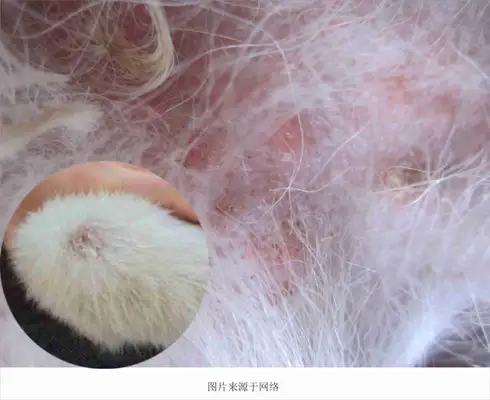
1) Unregulated shapes of the area, often with small spastics, and the boundaries with healthy skin are not very clear and are generally large and wide.
(2) Skin thickening in the area, resulting in wrinkled haemorrhage, liquid secretions
(3) Itches in the symptoms.
(4) It doesn't stink.
(5) Larger than larger skins or contusions, as large as humans.
(6) Broken and hair at the end of the day.
Treatment
Coal tar detergent: It can be purchased in major pharmacies, which are intended to treat lipid-spillitis, but also have an effect on the mites who drive their dogs out.
2. Treatment: Pharmacy buys a hundred quills, buys a hundred quills of wine, is about 40 degrees of wine, has no more than 100 quills, has two days of bubbles, is used to rub the infestation, lasts two times a day and works for a week. It's also good to prevent skin diseases by cooking 100 gills of water in dogs' baths.
3. Wet venom ointment: it works so well, it works, it's mild, it doesn't hurt dog skin. Not only amphibians, but also other skin diseases.
Four baths: 100 30 grams, chorus 30 grams, snake bed 30 grams, licorice 50 grams, sampee 50. Just like the usual medicine, get a pot and bath the dog when the temperature is right.
5: In the area where dogs are infected with mites, shave the surrounding hair, disinfect the area with double aerobic water, and spray the area with skin-based care spray.
If it's serious, it's a combination of sulfur ointment.
Care methods:
Dogs are heavily vitamin-added, increasing their skin immunity. At the same time, the pet owner can feed the dog to hyperenriched osteophosphate, quickly supplementing hair nutrients, promoting hair regeneration and inhibiting skin differentials due to mites.
IV: Wet rash
Causes of illness: Inflammatory response of skin skin skin skin cells due to allergic substances
Hair-prone areas: neck, back, abdominal, tail root, around the scrotum and toes and toes.
Symptoms:
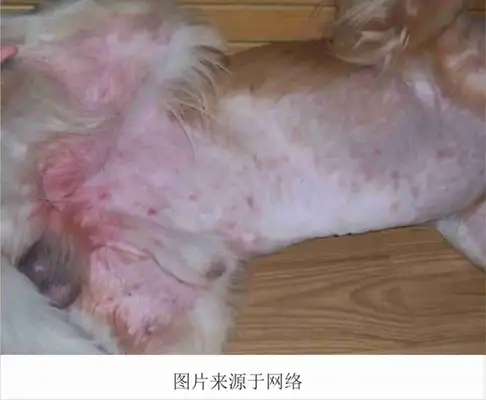
1: Skin injuries such as rashes, red spots, skin skins, scabs, incontinence, and symptoms of heat, pain and itching.
2 with a erythromatic rash in a dotted or different shape, and a severe aching of the dog body.
3: Different symptoms such as rash, herpes, sepsis, sepsis. During the sepsis and rotting period, the skin spreads in an abnormally odour.
4: The skin of the dog ' s back or limbs is thickened, discolorated, coloured, aggravated by hairy, reverse, itching, repeated, sometimes with several years ' delay.
Treatment
1: The oral semits 0.2 mg/kg bw or the oral acetic anhydride piston 1.0 mg/kg bw.
First, cut off the local hair of the haemorrhoids, mixed with white cat cool oil and powder grinding from the guillotine particles. Wipe the dog once a day, twice a day if it's serious. There are no side effects to this.
2: Easier skin or skin-influencing ointment after a cut. Skin infections are prevented and can also be replaced by erythrin ointment. 3: In the case of sepsis, the infection can be prevented by injections of cytocin and penicillin muscles. Cases with more severe symptoms can be injected twice a day with an injection of disemboweled fluid.
V; sepsis
Causes of illness: Cystic infestation, hair-prone: back back, back leg, hip
Symptoms:
1. Herpes, sepsis and sepsis on skin Objects
2. Severe defoliation, stenching and squirming.
Symptoms characteristics
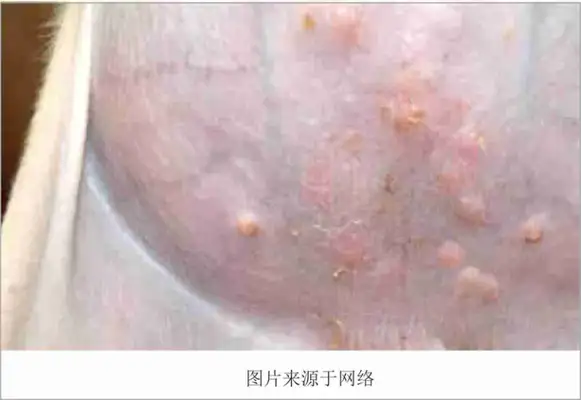
Herpes, sepsis and septides are generally visible on the skin, most of which are of a continuing nature and are characterized by symptoms such as herpes, skin cracks, pelvis and dry sepsis. Severely decompressive skin, smelly, scabies covered with abscess.
Treatment:
1: 250 mL for the injection of acetazine; 0.8 g for the injection of clinicillin hydrochloride; l0ml for the injection of bucaine hydrochloride. These drugs are mixed and fed into a clean sprayer and sprayed three times a day.
2: Males 10g, whites 10g, blood residuals 5g, dry grass 5g are all in the end and fed into food for 5g, 2 times/day. This side has the effect of irritating, heating, dehumidizing.
3: Pussy can be pregenerative, but if it is a mites or fungi, it must be followed by sepsis, which, in turn, increases the infection of the mites and fungi, so that both mites and fungi must be treated in conjunction with sepsis in order to be effective. The prescription for sepsis is: 0.5% Mt. 300 ml for a dose, Quintacolin 80,000 x 10, wikilin 10, lincomoxin 12 (which can be given more) in combination with three drugs for safekeeping in the fridge. Usage: 3-4 times a day, external.
4: For the disease, sugar-coated hormones are banned, as they inhibit the growth of meat buds and lead to haemorrhoids.
V: Leather disease
Causes of illness:
(1) Genetic (2) endocrine disorders (3) nutritional deficiencies (4) skin infections
Symptoms:
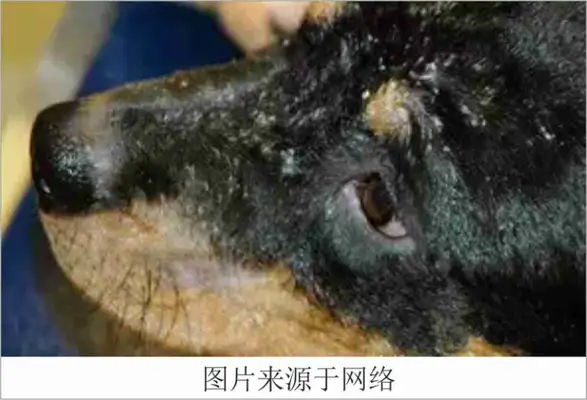
(1) Scattered with grey white or silver-colored dry crumbs and light-cut hair
(2) The well-developed tail root skin of the piping gland and the hairy, containing a large quantity of oily or brown-coloured oil
(3) Infestation itches, crumbs and severe hair removal, large or small
(4) Illnesses are found in the back, contours, tails, chest, elbows, flying festivals, etc., which are magnified and aggravated by itching and bites
Treatment:
1: The frequency of bathing will be 1 to 2 weeks with the use of anti-facile bathing fluids (Vivine baths) and skin decompressants, depending on the treatment needs.
2: Poneysonron 1-2 mg/kg oral twice a day
3. Increased nutrition, increased feeding of high proteins, high lipids, vitamin A, vitamin D injections
4: Bath: 100 grams, white skin 50 grams, dandelion 50 grams, skin 50 grams, snake bed 50 grams, bitter gin 50 grams.
VII: Allergies
Causes of illness: genetic (2) food allergies (3) inappropriate bodily exposure (4) living environment (5)
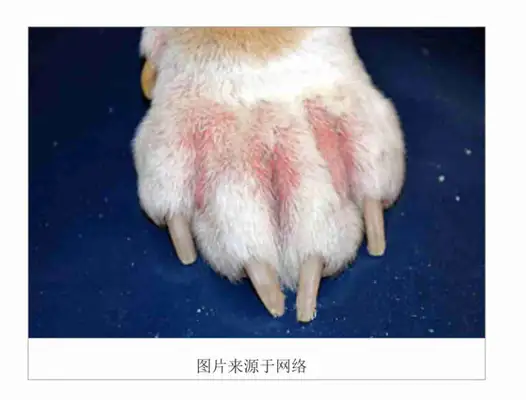
Symptoms: itching, red spots, ear inflammation, rheumatism, rashes, itching, hair loss of skin, some with chronic ear inflammation (redness, seepage) and vomiting, diarrhoea
Therapeutic prevention approach
(1) Identification of the causes, removing the contributing factors: food, environment, mosquitoes, canine cleaning, dust removal contamination
(2) Locally coated with cortical steroid hormones or aqueous alcohol, itching inflammation pills.
(3) Prevention of canine bites of the skin.
(4) For small calcium formulations: 10% calcium glucose acid.
(5) Anti-organism: 2-4 mg/kg body weight orals, 3-4 times a day.
(6) Weekly bathing of dogs, keeping their bodies clean and eliminating insects who suck blood.
Prevention of skin diseases
1. Regular elimination
Cleaning dogs require parasites other than dice, daphnia, etc., because about 30 to 50 per cent of the dog ' s skin disease is caused by larvae, daphnia bites to the skin, causing scratching and re-inflammation, most of which is caused by mites and fungi. Therefore, there is a regular sterilization and cleaning of dogs, bearing in mind that clean cleaning agents can cause skin allergies to dogs because of chemical substances in certain cleaning agents.
Two, keep the dog dry.
Each time a bath or rain shower is wet, the body is dry to avoid the dampness of the dog (and cannot be ignored by the soles) and becomes a bacterial hotbed. Combing hair will keep it off. Every time I comb my hair, it reduces bacteria.
3. Healthy balanced diet
It is suggested that a natural component of dog food or an expert can be chosen to produce a formulation of dog food, especially for the skin and hair of the dog, to provide the dog with comprehensive nutrition and to improve the dog ' s own immunity and resistance. Don't worry about eating a lot of greasy stuff for dogs, and always pay attention to vitamin supplements.
4. Timely counselling
Despite the many causes of skin diseases, the symptoms are generally similar, and it is advisable to consult a doctor or expert to ensure that the medication is not abused if the dog unfortunately suffers from some initial skin symptoms.