A lot of people know about dog vaccinations. Let's talk about the dog vaccinations today. There's no need for re-injection during the dog's vaccination. The pets don't worry.
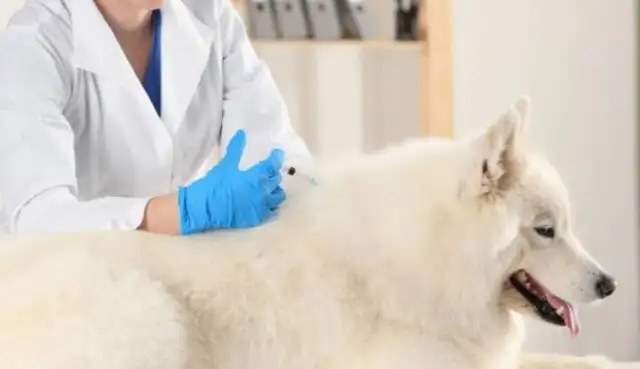
Dogs get sick during vaccinations and use other drugs, but right after the next injection, do they need a re-injection?
Some of the pet owners compromised and listened to the advice of the pet doctor, re-injecting or adding an additional dose to the treatment. Is that really necessary? Here we go.
Type of common vaccine for pets?
(b) Live vaccine: The technique of this vaccine is more sophisticated, clinically safer, clean of the environment, easy to keep and easy to produce multi-coup vaccine, but the disadvantage is that it takes two to three consecutive injections to be effective and has shorter life spans.
The core vaccines currently injected by pets (the 4 vaccine, the 6 vaccine, the 8 vaccine, the rabies vaccine) are essentially life-saving vaccines.
Weakly toxic vaccine: This vaccine lasts for a long period of time, with only one dose of injection, but poor dogs are prone to side effects, and weak vaccines are more demanding for transport and contain some toxins and may be dangerous for some dogs.
Both vaccines have advantages and disadvantages and are now more inclined to opt for live vaccines in the pet area.
So which drugs have an impact on vaccines?
The re-injection of sugar cortex hormones (commonly found in Pennison, Disemison, etc.) may be considered after the use of the disease.
Immunosuppressants and chronic oncological drugs, seriously ill dogs, need not be vaccinated.
Biological agents (e.g., recombinants, mammograms) sometimes have the effect of enhancing the vaccine and may affect the efficacy of the drug. For example, when a common microvirus is treated, the main effect of the interference is the antivirus, which affects the stability of the vaccine)
Antivirals (whether biological agents or generic antivirals) can have an impact on dog vaccine stability, for example, on vulnerable vaccines.
What kind of drugs do dogs use without vaccination?
Antibiotics: The more common anti-inflammation drugs, such as Amosicillin and crochets, are antibiotics for the eradication of bacteria, and vaccines contain viruses that do not pose a risk to vaccines.
There are also precipitating drugs, gastrointestinal gastrics, and some health supplies for calcium, hair and blood supplements for dogs, which do not pose a threat to the dog's vaccine, so the pets can be assured.
In any case, a dog who is sick during a vaccine, such as a common cold, watering down, digestive vomiting, as long as he is not an infectious disease and has not taken the hormone drugs and immunosuppressants described above, is completely free from re-vaccinating, spending too much to say that the dog is still suffering.
Poorly well-equipped dogs, families can prepare a number of medications that are common to families: For example, Yunnan white medicine, fungi, calorie particles, deworming pills, etc., are normally available and can be prepared in advance at home.
Dogs must be healthy enough to eat well and exercise to make them less ill. It is also best to choose natural dog food that is light, digestive, and stomach-friendly.