The following is a guide to leopard constipation for pets, focusing on safe, scientific assistance in defecation and giving a complete set of home-based responses. Reminder: Veterinary consultations should be conducted as soon as possible if the symptoms persist, are aggravated or are accompanied by vomiting, and abdominal swelling is evident.
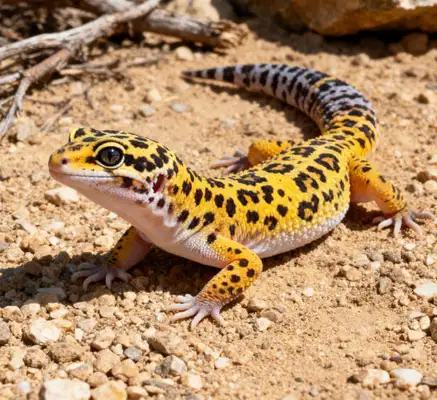
The potential risk of a long-term constipation that focuses on cervix constipation can trigger intestinal blockage (prohibiting problems) and even endanger life, making timely, moderate intervention important. Diagnosis points: observation of defecation frequency, faecal form (dry hard, colour abnormal), abdominal swelling, mental state, diet changes, etc. The principle of priority intervention: increase water and temperature gradients, then adjust diet and environment, with the intervention of a professional veterinary. Risk signal: If there is no significant improvement within 24-48 hours, vomiting, severe abdominal pain, apparent food denial or loss of weight, immediate medical attention should be provided.
It is recommended that measures be taken to ensure that water basins are always clean and easily accessible and to encourage ceremonial self-water. More water is observed before and after feeding. For example, in the case of amon (low humidity and dry environment), long-term high humidity is avoided, but in the case of short-term treatment, slight humidity can be provided in the wet box, helping to absorb water and soften faeces in the body. Temperature and humidity environments maintain temperature gradients: approximately 28 - 32°C in the Basking area, not less than 20 - 24°C at night; overall humidity remains between 30 - 40%. A wet/wet box (area covered with wet dustless paper towels or sponge sheets) may be set up to help increase local humidity and absorb moisture. Eating and feeding adjustments temporarily avoid oversized or over-fat foods, giving preference to insects of high water content (e.g. gut-loaded insects, ensuring that they are fully hydrated before feeding). The frequency of feeding is age-adjusted; a small amount of higher moisture insects can be added in constipation periods, but one-time overdose is avoided. Physical care and supplementary hot water bathing: a shallow bath for the leopard palace, at about 28 to 32°C, so shallow as to cover the belly, 10 to 20 minutes. A soft towel will be used to dry it gently after immersion to avoid cold irritation. A soft abdominal massage: after bathing, a soft abdominal massage of the belly in the direction of a clockwise (abdominal to abdomen) with a finger, avoiding overture. Watch if there is any help in stimulating defecation, but if pain or resistance occurs, it should stop. The observation and documentation of daily defecation, weight, appetite, activity, type and quantity of insects fed, quantity of drinking water etc. helps to assess the efficacy of the treatment and the need to adjust strategies. If medical treatment is not significantly improved within 24-48 hours, or if there is a marked swelling of the abdomen, continued denial of food, vomiting, abnormal body temperature and loss of weight, contact the veterinary doctor as soon as possible. Veterinary doctors may need abdominal images (X-rays) to determine the presence of intestinal blockages or hidden constipation and to provide prescription drugs, oral liquid treatment or other interventions as appropriate.
(b) Initial assessment and preparation for observation and documentation of defecation patterns, excreta patterns, abdominal swelling, appetite and vitality. Preparation environment: Ensure that the temperature has a good gradient, a small wet box, clean water basins and soft towels.
2) An immediate intervention by the family to arrange a warm bath at about 32°C for 10-20 minutes. Dry with a towel after bathing to ensure that it does not cool too quickly. A soft abdominal massage is carried out after the bath, with a clockwise and a softness, to observe whether there is an excrement or excrement. If there is a manifest discomfort or resistance to the palace, it shall cease immediately.
3) Food and water optimization to ensure sufficient moisture: water basins are readily available, before and after feeding, and drinking water is observed. Food adjustment: select insects of appropriate size, as much as possible with high moisture content and sufficient feeding; avoid giving big insects at once. In the feeding/continuation phase, consideration is given to short-term increased humidity coverage to help ingestion and retention of moisture, but to avoid excessive environmental tides leading to fungus growth.
4) The environment and long-term management should be kept clean and rearing boxes regularly cleaned to prevent pollution. Maintain stable temperature and humidity and set up a wet box for short-term use. Regularly feeding, avoiding prolonged abdomen, and paying attention to differences in the demand for food of different age groups.
5) Monitoring and follow-up of changes recorded on a daily basis and compared with the previous day, should new symptoms (e.g. vomiting, abdominal pain, food denials lasting more than two days, weight loss) occur as soon as possible. In the absence of improvement within 2-3 days, priority is given to seeking veterinary assistance; visual examinations are conducted where necessary to remove intestinal blockage or other diseases.
6) Regular medical examinations of preventive long-term strategies with attention to defecation habits, weight and metabolism. (c) To maintain a diverse and balanced diet and maintain the water and nutritional quality of insect sources. Maintaining stable humidity, reducing environmental stress, and contributing to long-term health of digestive systems.
If you want, I can customize a more realistic daily check-up and feeding scheme for your pets according to their age, weight, daily feeding habits and environment, ensuring that your little ones receive safe and effective care. What about your recent defecation? Any other unusual signals? I can suggest more specific adjustments accordingly.