Health management for leopards during reproduction
As pets keepers, attention needs to be focused on physical condition, nutrition, the environment, spawning processes and possible complications in the health management of leopards during reproductive times. Reproduction is not a simple “spring of eggs”, but a combination of test and care for the mother. Below is a summary of the focus, measures and responses that will help you develop a comprehensive care system.
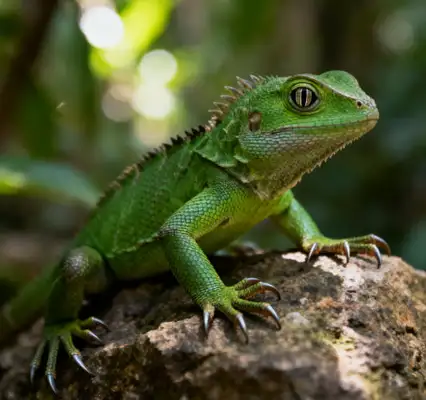
The content focuses on the biological and temporal aspects of reproduction: Leopard ceremonials are more likely to be reproductive during spring and summer, and female insects show signs of hormonal activity, appetite reduction, body weight fluctuations, etc. Correspond with caution and timing to avoid long-term high-intensity pairing leading to the weakness of the Matrix. Nutrition and calcium: Increased demand for calcium, vitamin D3 and high-quality protein during reproduction. Feeding should be based on diversity of insects, calcium powder and vitamin D3 are given on a periodic basis, help in the development of the eggs and the formation of the crust, and prevent the degradation of soft-shell eggs and ovaries. Environment and temperature humidity: A stable temperature gradient and appropriate humidity are required to ensure sufficient energy and comfort for the Matrix. Reproduction kits should provide quiet, hidden spawning areas to avoid excessive stress. Eggregation and incubation management: The female has been spawning many times, but the survival rate and the quality of the eggs depend on the spawning environment and the conditions for incubation. Appropriate spawning tanks, matrices, humidity and temperature control are key. Risks and signals: Pebbles are embedded, difficult to deliver, chronic non-eating, significant weight loss, lack of vitality, persistent excretion after ovulation, etc., require vigilance, and the earlier interventions are better.
II. Recommended measures for matching and assessment of the physical condition: Carry out a physical assessment prior to the onset of the reproductive period, identifying moderate body weight, good muscle condition and no risk of disease. Matching should be based on short-term observations and avoid long-term high-intensity co-coalting. Nutrition and supplementation: The daily diet is dominated by high-quality insects (e.g., yellow powder, cricket, mini-polymers) combined with weight control. Calcium powder is added cyclically to vitamin D3 daily or every two days to avoid overdose. Provide clean drinking water with a small amount of moisture supplement if necessary. Environmental settings: The temperature of the daytime warm zone is maintained at 29 - 32°C and the cool zone at 24 - 27°C, creating a stable temperature gradient. Daylight simulates natural light cycles and maintains low light at night. The spawning area is set in a quiet, shaded position and uses a well-ventilated spawning box. Eggregation tanks and matrices: It is recommended to use a wet ricin/pearstone mixture or a high-moisture gestationary matrix of approximately 5-8 cm thick, maintaining a high but not wet humidity to ensure that eggshells are not easily broken after output. Eggregation and incubation management: the date, number and location of the eggs are recorded after the female has laid them. Each pair of eggs is placed separately in an incubator, with a steady temperature (approximately 28-30°C) and a humidity of 60-80%, usually for an incubation period of 40-90 days, depending on the temperature. Pre- and post-cubation attention to anti-fouling, anti-bacterial treatment. Health surveillance and disposal: regular weighing, observation of appetite, activity level, defecation. In the event of a prolonged lack of food, continued abdominal swelling, slow movement, non-egging after ovulation or an abnormal egg shell, timely medical treatment or consultation with a professional veterinary doctor is required.
III. The first step of a complete response (list of steps): pre-reproduction assessment and preparation for examination of body weight, muscle condition and elimination of disease risk. A feeding and calcium-refilling programme has been established to stabilize the health for at least four weeks. Give suitable breeding windows to avoid long-term single-cycle high-strength mating. Step 2: The environment and breeding will adjust the temperature gradient to ensure the stability of warm and cool areas. Establish a quiet spawning area and prepare an spawning tank and wet matrix. Gradually establish feeding schemes and nutritional supplements to record intake and weight changes for this period. Step three: The spawning period is managed to observe the mating signals between the female and the spawning, with fatigue, non-attractive diet, or a clear and timely separation. Placing an appropriate amount of humidity in the spawning tank to ensure that the egg shells are not dracked. After spawning, the mother's body weight and vitality continue to be monitored and the feeding adjusted in a timely manner. Step four: Maintain a steady temperature and humidity during incubation and subsequent care and regularly check incubators. Insects, larvae, etc., as transitional foods for the first generation of larvae, pay attention to individual differences and digestive capacity. After the larvae is out of the shell, the warm zone, the shelter and the moderate humidity are given and the food is slowly directed. Step 5: Risk management and counselling in cases of a fall, difficulty in delivery, persistent non-eating, etc., seek help from experienced veterinary doctors as soon as possible. For individuals with long-term signs of disease, individual isolation treatment is considered to reduce stress and cross-infection.
IV. Language style and implementation of Tips ' instructions to describe day-to-day operations in moderate and clear language to avoid ambiguity. Records are key: data on weight, feeding, date of spawning, humidity, etc. are recorded in a concise form to facilitate trend judgement. Continuous learning, but pragmatic: While the reproductive period is unknown, systematic care significantly reduces risk.
If you want, I can expand this into a daily reproductive care calendar, or give a personalized configuration list based on your existing maintenance conditions (box size, light, feeding frequency, etc.). What are the conditions of your mother and environment? I can make more specific recommendations on this basis.