Tortoise abscess is a signal that needs to be taken seriously. Home care is provided both to alleviate discomfort, contain infection and avoid aggravated damage. The following is a comprehensive response based on home-based care, with emphasis on prompt access, to help you manage key nodes on a daily basis.
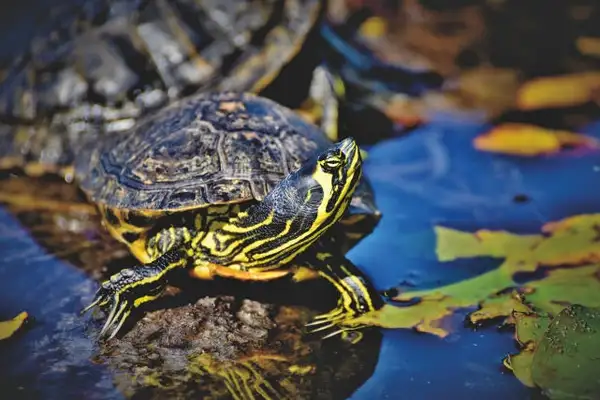
The underlying causes and manifestations of the disease are related to bacterial infections, poor environmental water quality, secondary infections caused by trauma and inadequate vitamin intake. The most common manifestations are swelling of the ears, sept secretions, odour abnormalities, with turtles pulling their heads, dieting or reduced vitality. Risks and complications: If not addressed in a timely manner, the infection may spread to the surrounding organization, affecting even the hearing, the balance, and even the general inflammation. Infections in the head are also prone to neck or respiratory complications. The boundaries of home care: external cleaning and environmental controls can be performed, but should not be self-plugged, pierced or forced into the ear. Veterinary instructions shall govern any drug use. Environment and prevention go hand in hand: water quality, basking environment, sunlight and vitamin intake are critical to preventing further inflammation. A healthy and balanced diet is fundamental.
Recommended measures (phased focus on home care) Phase 1: 0-24 hours to establish stable external care segregation and observation: keep turtles in quiet, clean environments and avoid violent activity to reduce stress. External cleaning is essential: the use of hot and physiological salt water (0.9 per cent) is applied to the external ear, so that the water is not forced into the inside of the ear. Sweep softly the visible parts of the puss with sterile gauze or tampons, and shun deep ears. Avoiding irritating substances: Do not wash ear tracts directly with alcohol, double-oxygen water or concentrated iodine volts, which can stimulate cells, increase pain and damage. Environmental management: Water quality is kept clean in aquariums or reservoirs, filtration systems are working well, and water is regularly replaced to prevent the persistent sources of infection.
Phase II: 48-72 hours for observation and moderate intervention to observe changes: recording swelling range, sept colour, smell and turtle activity, feeding and attitudes. If the septics continue to increase, the colour becomes green/black, the smell becomes strong or the turtle looks more painful, medical treatment should be sought as soon as possible. Gradual treatment: Cleaning can continue once a day if the sap is small and the outside ear is clean. Avoid pressure or attempt to “squeeze out” the internal cavity, which can easily push the infection deeper. Water quality is heavy with dryness: while keeping water quality clean, turtles should also ensure a moderate humid-dry alternation in the dry section of the Basking area, avoiding long-term stimulation of the wet environment.
Stage III: The signal requiring medical attention and when to contact the veterinarian on his own initiative should be reached as soon as possible in any case where the swelling continues to increase, the sept colours are abnormal, the fever occurs, the appetite for sleep, the appetite is very low, the head is unstable, the breathing is difficult and the head or neck position is abnormal (e.g. bias, difficulty of turning around). Possible path to treatment at the time of medical treatment: Veterinary Society conducts medical examinations, ear-psychological examinations (with ear lenses or video-assisted as necessary), pus training to determine bacterial spectrum, medical treatment when necessary (local or systematic antibiotics, inflammatory control drugs) and may provide professional clearance and diversion of the pus. Home care programmes and referral programmes are given after treatment.
Phase IV: Long-term management and prevention strategy drugs and treatment: do not use self-medicines, especially humans or unindicated antibiotics. (c) To comply with medical instructions, complete the course of treatment on time and re-examine the results. Water quality and environment: keeping water warm, clean, regularly changing water; maintaining dry and warm sunback areas in the Basking area to prevent dark and wet-induced re-infection. Nutrition and Vitamins: Ensure food diversity with sufficient protein, vitamin A and micronutrients. Vitamin A deficiency can weaken the mucous barrier and cause respiratory and ear infections. Maintenance journals: Record daily observation points such as swelling changes, sepsis, behaviour, feeding and defecation, to enable doctors to assess trends and adjust programmes. Preventive examinations: periodic health examinations with turtles, attention to early ear, nasal and oral problems, early detection and treatment.
A complete set of family response programmes (simplified process 1) Action Now: Clean the outer ear, keep the environment clean, and avoid flooding inside the ear. 2) Recording and observing: taking photographs, recording swelling and discharges on a daily basis, observing vitality and appetite. 3) Precautionary medicine: no self-medicine, no need for any drug, prior consultation with a veterinarian. 4) Mark dangerous signals: In case of continuous deterioration, heat, head tilt, difficulty of breathing, immediate medical attention. 5) Pre-medical preparation: health records for bringing turtles, recent dietary and activity descriptions, and any used home care measures for veterinarians. 6. Post-operative and re-examination: following medical instructions to complete treatment, regularly re-diagnosing, monitoring recovery and early signs of re-inflammation. 7) Responsive routines: maintaining clean water quality, providing a balanced diet, ensuring adequate exposure to sunback and UV and avoiding adverse irritation.
The list of drinking water and cleaning materials (family first aid kit) has 0.9 per cent of its biological saline water, several bottles of sterile gauze, cotton-marked hot water, mild cleaning agents for body temperature monitoring tools (e.g. low concentration iodine volts diluted by doctor) small drops or soft hair pens to facilitate external clean-up of records and pens, daily recording of veterinary clinic cards and emergency calls