Title: PET3685
English name: Faery cory
Nature: Moderate
Origin: Ecuador, Peru, South America
Epidemic diseases: anchor disease, aqueous disease, albino disease
Life: 3 to 5 years ' profile of leopard species
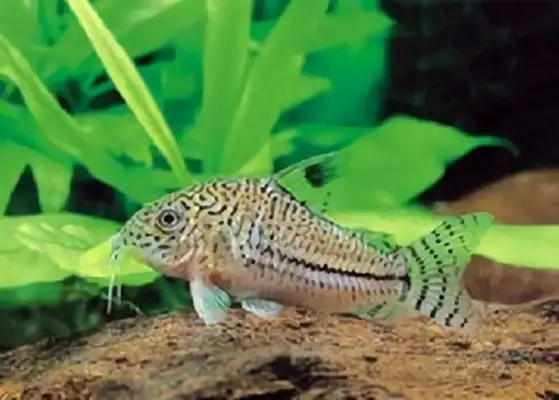
White leopards, which are bottom fish, are named because of their small size, their mouths are very similar to those of rats, and their sides are black. White leopards like to eat live food, can mix with small fish and like aquariums with sunken trees and waterweeds.
School name: Corydoras atropersonatus
English name: Faery cory
Max: 5 cm
Distribution: Ecuador, Peru, South America
Food: commotion
Assault: None
Active water layer: properties of bottom leopards
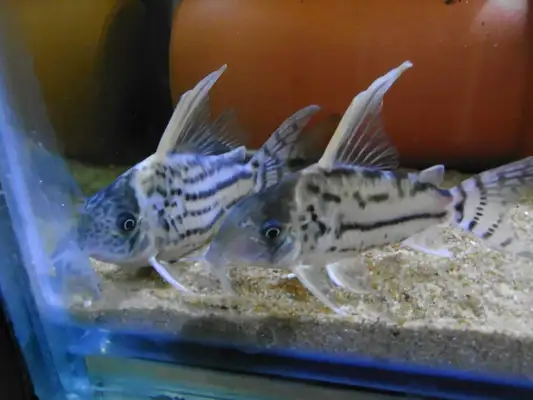
White leopards are a very popular species of bottom fish, and their unique fluorescent whites are particularly beautiful in a healthy water quality, and white leopards are gentle enough to mix with many fish.
White leopard fish are small, have round mouths, have more black spots on their sides than pirate rats, have a black strip across their eyes and have no spots on their backs and tails. In fact, white leopards also have type 2, colour and type 1, type 1, gray silver, type 2, brown, and type 2, back fin black, with spots on the fin. White leopard rat breeding environment
White leopards are also easier to feed, and because their unique beauty is popular with fish friends, they do not normally raise a single rat fish alone, so how do we create a living environment for leopards and other fish? China ' s water quality varies greatly from one place to another in the north to the south, and it is impossible to compare water quality with that of origin. A white leopard.
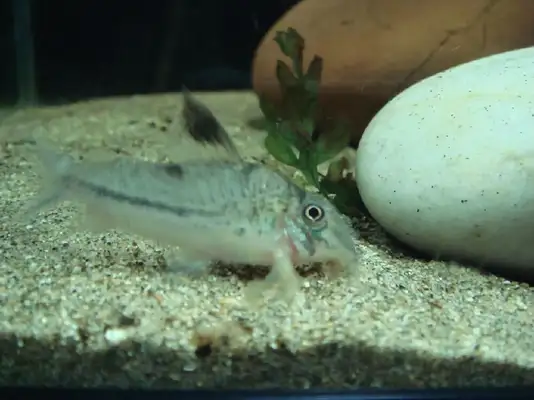
White leopards are more easily rearing fish, and they are groceries, but they are not easily fed by hand, and many feeding requirements also require attention.
White leopards can choose high strength, sediment feed, red worms, nematodes, etc. The best option for the mix of leopards is the mouse + hex, which, if added to the lightfish or the earth, can cause a little trouble in feeding, such as the fact that the red bug is basically eaten or taken away by the lightfish.