Designation: PET4672
English name: Commonspidertoise
Origin: A turtle unique to Madagascar. An overview of the species of spider-net turtles
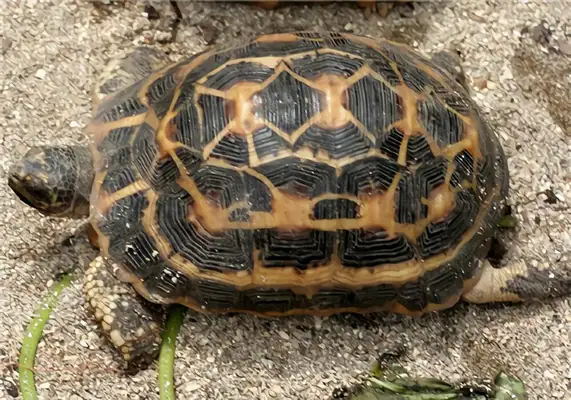
A turtle, a land turtle living in forest areas, is a species that is difficult to adapt to human breeding and does not sell artificially. It is a wild individual on the market and requires a high environmental level of caution.
Chinese literary name: Lobster Turtle
Chinese alias: Spider-net turtles
English name: Commonspidertoise
School name: Pyxisarachnoides
Context: Animals
Gate: Pipeline gate
Programme: climb
Tortoises.
Section: Marine turtles
It's a spider turtle.
Castes: Cobnet turtles
Distribution: A turtle unique to Madagascar.
Appearance features: mature individuals with backs of 12-15 cm are small turtles, with special black velvet and a similar net of yellow bouquets in their backs, and a central joint structure between the abdomen and chest shields.
Lifestyle: Living in dry forest or sand dunes 10 to 50 kilometres from the coast. In the dry season, they hide underground.
Reproduction: Eggs. Female turtles usually lay eggs only once a year and lay only one egg at a time, a rare land turtle species, making reproduction difficult. As for females and males, the distinction is similar to that of average land turtles, mainly with tails.
Eating: Eating with fresh vegetables and cow dung. Looks like a spider turtle.
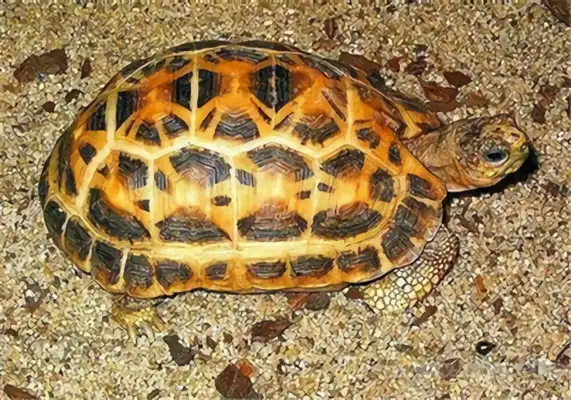
It is a small land turtle that is growing very slowly, usually 0.5 cm long, and has a messy graft on its back, like a spider web, and is called a spider turtle. The worms are yellow and their legs are not visible.
The backs of mature individuals are 12-15 cm in size, with special yellow velvet and similar web-like wreaths, and a central joint structure between the abdomen and the breast shield. The back-clothed wrinkles are extremely variable. Due to their small size, most of what was previously seen on the market was turtles. But all imports are juvenile turtles. The back of a spider-net turtle has yellow trajectories with black and spider-net shapes. Some of the sub-species can operate in a closed shell. The skin of the limbs, head and neck is mostly black or yellow.
Basically, spider-net turtles are very sensitive and timid turtles, and the less they shock, the better. Infant turtles have a high rate of food exclusion and a higher rate of death from infected diseases than 50 per cent, requiring more careful care. Tortoises are more lively and eat more. Some of the early legally imported turtles can even be used as Sucada feed and are strong. A small number of individual bouquets will expand as they grow, and the background will turn into a oligarchy colour, known abroad as the high yellow spider turtle, a situation that is more common in the sub-species of P.a. arachnoides. The knowledge of spider-net turtle care
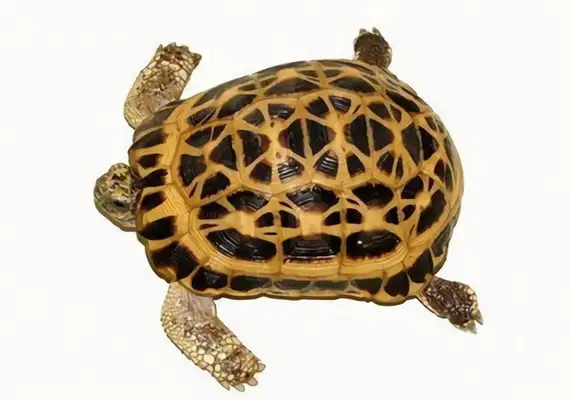
The turtles are recognized as a relatively difficult land turtle species to breed, require higher environmental temperatures and humidity and generally prefer a higher humidity environment with an absolute sense of security, so that they are not often disturbed.
Cobweb turtles do not need hibernation, with 100 per cent of their diets and 77 per cent of their average humidity levels, with temperatures ranging from 13 to 29 degrees, recommend frequent bathing or fixed drinking water, which is very sensitive to imprisonment, with very large changes in the pattern of the shell. The worms are active in the morning, and after sunrise they start looking for the cold and stop until late afternoon or the next morning. Cobweb turtles do not require very large space requirements, but prefer to hide from the bottom to make them feel safe.
The spider-net turtle is a more timid turtle and is vulnerable to food or death due to environmental changes. The turtles live in arid regions of the climate, but at the same time adapt to a moist climate, with large variations in temperature at the source and thus below the temperature range of 10 to 40 degrees Celsius. The tortoise is groceries, mainly herbivorous, but it also feeds larvae, earthworms and insects. The Convention on International Trade in Endangered Species of Wild Fauna and Flora, listed in appendix I, prohibits the capture or illegal trade of any wild turtle. The living environment of a spider turtle.
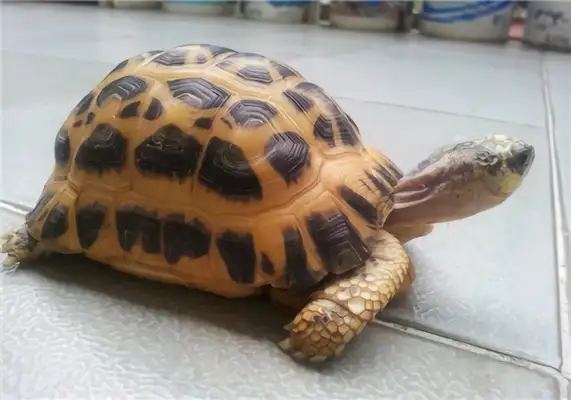
The size of the individuals is small, so the range of environments required to feed them is small, but the internal setting is very sophisticated, knowing that the environmental requirements are high, and that it is a very timid turtle, with a more quiet corner to be placed in.
It's like a upside-down bookcase outside of the best breeding box for a spider turtle. A reasonable ratio of two feet *3 feet should be used to feed a single turtle. The bottom of the rearing box should be placed in food basins, water basins and nesting areas that are accessible to spider-net turtles. It is important to provide water basins in the incubators. For those individuals who are not used to water basins, we strongly recommend that they take frequent baths until they are used to and are able to enter the basin themselves. Here, a method is provided for individual baths that are not used to water basins every day or the next day until they learn.
The basin must be large enough to allow the turtle to enter and leave freely, but in order to avoid the turtle drowning, the basin must not be too deep to reach approximately the height of the abdomen. Because the worm turtle is a species in a relatively high-moisture area, and in terms of the material at the bottom of the box, it is recommended to maintain a high humidity in the box by using sheeting made from the bark or wood. The corner of the rearing box, with a light capable of producing thermal energy, can reach approximately 32-38 degrees Celsius at the concentration point. On the other side, another light bulb capable of providing UVB, which is a necessary element to convert VITD3 to calcium. At the corner of the rearing box, a small box is placed to provide a shadowed corner where the worm can take a cold or avoid hot spots. What do you mean?
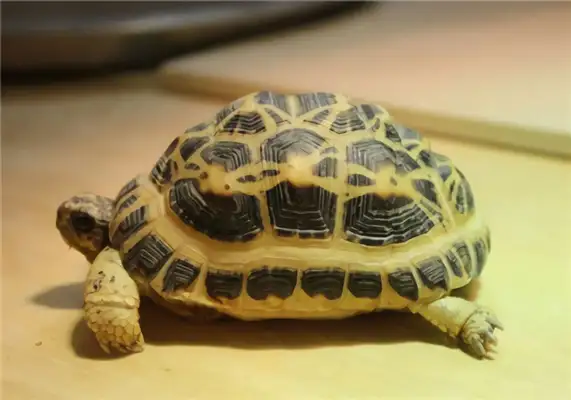
The turtles are impenetrable turtles, but generally they eat only some vegetative food, and some studies suggest that they also eat some cow dung, but this is a special case, with little chance and little food scarcity in the wild.
High fibres, high calcium and low protein diets should be used to ensure the healthy digestive tracts and provide an important food structure for balanced growth. Excessive reliance on vegetables in supermarkets, which often do not have sufficient plant fibres and contain excessive sugar, is avoided. Dark vegetables and weeds with small amounts of moisture on the side of the leaves are the preferred ingredients for the morning feeding spider-nose turtles and are able to provide them with the moisture they need. Cutting and mixing of even fruits, vegetables, mushrooms and other suitable plants can provide sufficient nutrients and prevent seed turtle selection habits. There is a need for more in-depth research on the diet of this species.
Additional calcium additions are important nutrients for fast-growing turtles or pregnant female turtles. Cobble-net turtles are inert in their natives, but when the climate is very hot, dry, or in cold seasons, the species becomes relatively slow or inactive. Unless he has experienced hibernation or wants to reproduce the species, hibernation is not a recommended process. For breeding incubation, changes in environmental factors that allow female turtles to hibernate are a very important link, but require very careful control and careful monitoring.