Designation: PET2884
English name: Introduction to parrot fish species
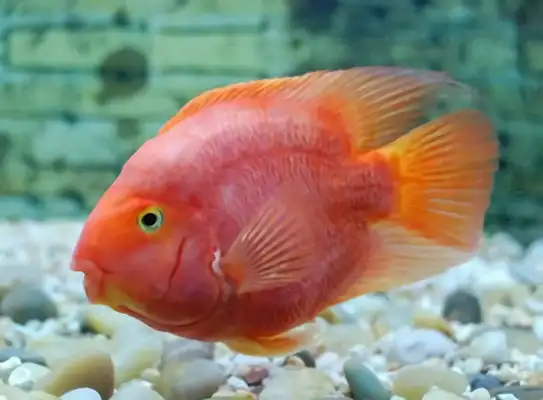
Parrotfish is a well-known sighting fish that is famous for its colourful colours and its mouth style of parrots. There is also a new type of fresh-water fish, also known as blood parrots, that has been bred by a combination of the Red Devilfish of the Americas and the Magenta.
Chinese literary name: parrot fish
Latin name: Amphiphos
Don't call it parrotfish.
Context: Animals
Gate: Spinal gate
Amen: vertebrate Amen.
FL: Perciformes
Section: Scaridae
English name: Blue parrot fish
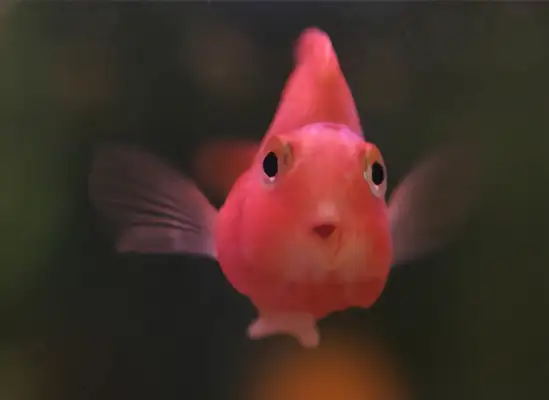
Parrot fish are famous for their mouth-type, which resembles the parrot's mouth, and adult parrot fish can grow up to 1.2 metres and weigh up to 20 kg. As parrots are tropical fish living in coral reefs in wild environments, water temperature needs to be taken into account when raising animals.
Parrot fish, because they're famous for their colours. There are significant differences between females and males in the same species and between adult and juvenile fish. The main parrot fish in the Indian Ocean-Pacific region is Caryodon fasciatus, 46 cm (18 inches). The male is green orange or green red and the female is blue and yellow. Atlantic species include the Queen Scarus vetula, which is approximately 50 cm (50 inches) in length, the male colored blue, with green, red and orange colours, and the female, which is light red or purple, with a white stripe. Nautilus breeding environment
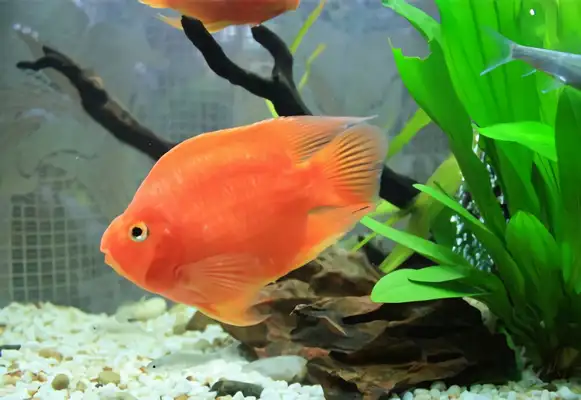
The most common problem with parrot fish is that parrot fish begin to white, and the original colour is becoming less and less colorful, which is very much related to the quality of the water and the feed they feed. So how do parrots feed them in a proper water environment?
Parrot fish like soft water with low acidity and low hardness. Parrot fish are more adaptable to temperature and can live freely at water temperatures of 20-30°C. But parrot fish are also very sensitive to temperature, and are prone to stress and loss of glamour, even black stripes or stripes, at low and highly variable temperatures. It is advisable to keep water temperature within a range of 2,5 to 2,8°C during rearing, and it is not appropriate to have a temperature difference of more than 0 before and after each change. 5°C.
As parrots cannot close their congenital lips, they are less able to control the flow of vomiting, and they are less able to trade oxygen with their gills than their fathers and mothers and other fish. Therefore, the water bodies that feed parrots must have sufficient oxygen.
The parrot fish weave their pyjamas, and they weave their pyjamas like silk, spit white silk out of their mouths, use its abdominal fins and tail fins for one or two hours and weave a shell, which is their pyjamas. Sometimes its pyjamas are too hard-weave, and when it wakes up in the morning and its mouth is unable to bite, it is suffocated. The parrot fish.
Artificial farming of parrot fish and the feeding of coloured granular feed are important to effectively prevent the bleaching of parrot fish. There are, of course, some parrot fish who have little guts and who don't eat, which requires the fish friends to teach them slowly. In raising parrot fish, care must be taken not to feed the small riverfish, and perhaps the colour of the small riverfish inspires their genes to return to their ancestors, and the colour of the parrot will surely become shallow once the small riverfish is fed. Red parrots feed small fish and survive because they are greedy and hungry.