Designation: PET1304
English name: Nanachromis Cadifasciatus
Origin: Southern Basin of Cameroon
Vulnerability to diseases: fish plague, white cloud disease, skin disease, rotting tail disease, etc.
Life: 4-5 years profile of phoenix species
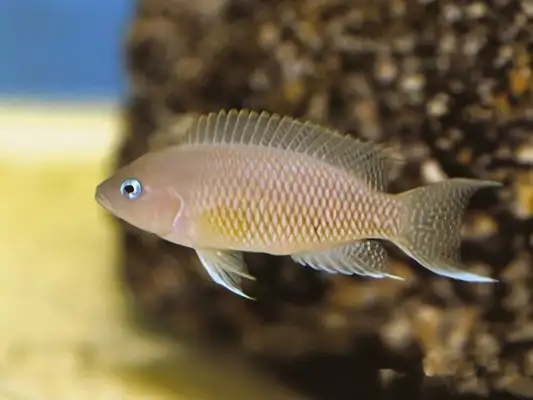
The phoenix is larger in size, it is more difficult to breed because of its mild temperament and the aggressive nature of the phoenix, which requires care to domesticate and avoid fighting.
Chinese name: Bedtail Phoenix
School name: Nanachromis Caudifasciatus
Scrutinised species: Tsengko
Origin: Southern Basin of Cameroon
Water temperature: 24-26°C
Hardness: 2 ~ 3dh
Ph: Weak acid soft water, pH 6 phoenix appearance
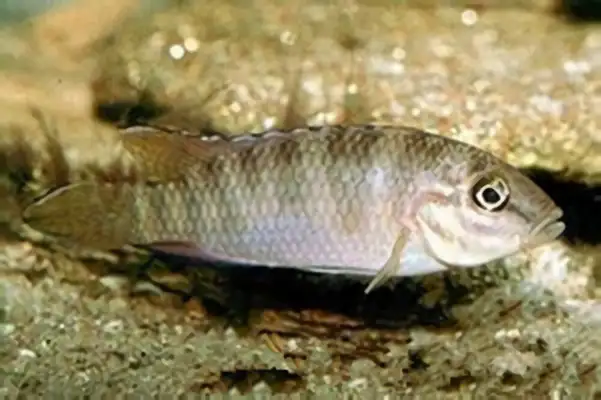
The phoenix breeds in the form of caves and groceries, which are relatively easy to feed. The phoenix is larger in size, but the phoenix is moderate in character and aggressive only between males.
The phoenix's back fins are lumbered with metallic colours, and the phoenix is geographical, mild and aggressive only between public fish. The size of the phoenix is 11 centimeters; 8 centimeters. The phoenix is a mid-level fish that breeds as eggs. The phoenix-tailed breeding environment
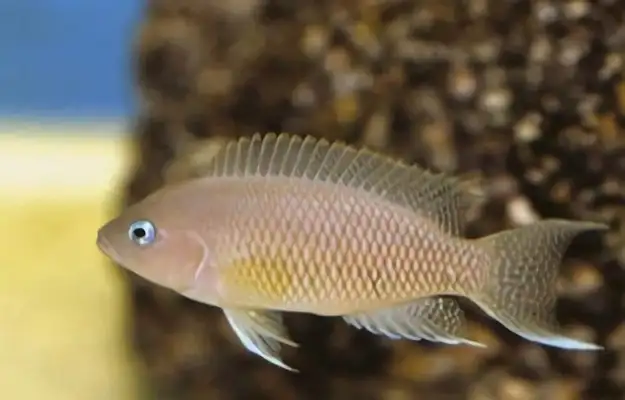
The phoenix is relatively simple, with a suitable water temperature of 24-26°C, a 2-3dh hard water, a soft water with a weak acid, and a PH of around 6 as far as possible. The phoenix can regenerate in the fish tank, so the fish friends who like phoenix can reproduce themselves.
The phoenix is very simple to breed, and as long as healthy females and males are selected for fish, it is generally not difficult to see onset and spawning during the breeding process. Do not change water during reproduction, it is best to have a leprechaun in the tank to keep water quality. The female and male colours are more beautiful than usual in heat, and the peri-fish head shakes quickly and in small degrees, as if it were hitting. And spread the fins in full, swing display. The female tubal is prominent, and the male maintains a single territory and allows entry only for pairs of females. The phoenix's food point.
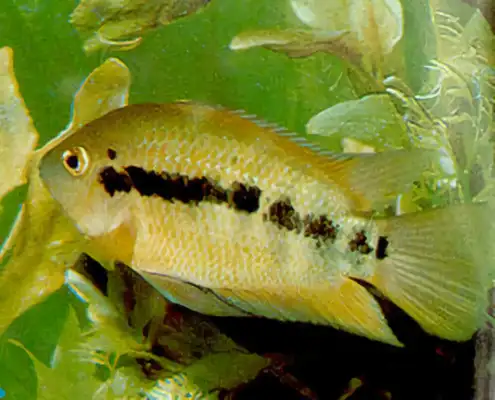
Because of the mildness of the phoenix and the difficulty of raising it, it is very popular with fish friends. However, apart from the need to provide them with a viable water quality environment, feeding them is a very important issue in the process.
The phoenix, which is a non-food species, can be accepted both forage and live bait because of its adaptability. In the early stages of feeding the phoenix, microworms, migratory water or frozen migration, shrimp larvae and shrimp husk eggs can be used as open feed. In addition, the phoenix is raised in such a way as not to feed nematode worms and to avoid contamination of nematodes by heavy metal or internal mail.