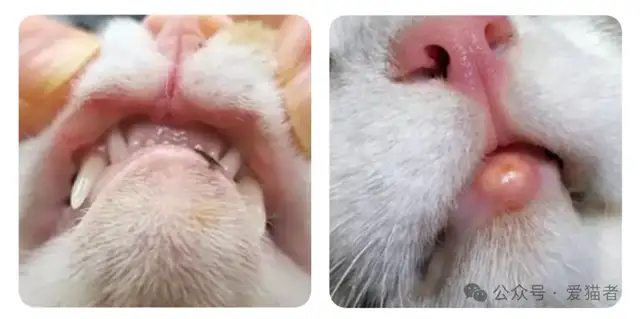
There are many kinds of skin diseases, and similar symptoms are present in a wide range of skin diseases, making it difficult to make an accurate diagnosis of eye-looking symptoms. The most important thing, indeed, is to bring cats to specialized animal hospitals for skin tests and endocrinological examinations to determine the cause of the disease.
1. I. Bacterial infections 1.2. Catweedy 1.3. Skin rash 1.4. Traumatic infections 2. 2. Factal infections 2.2. dictums 2.3. Leach scabies 3.3. Allergies 4.3. Allergy skin diseases 4.4.
It is caused by the source of infection of the fungus, in the form of local skin red, swelling, hair removal, sepsis, ulcer formation, and septosis.
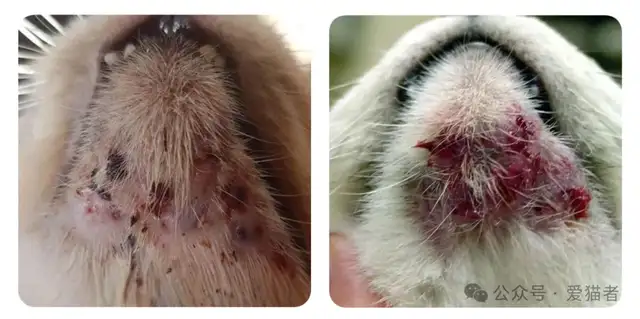 Cat rash.
A common skin-inflammated skin disease caused by a variety of internal and external factors, as well as by skin inflammation, with clinical manifestations such as symmetry, seepage, itching skin disease, polyformity and relapse. Wet rashes are a skin disease that is prone to relapse and requires specialized medication, and an allergy-related skin disease. The diversity of the rash is symmetrical, itching and repeated, and can easily become chronic skin disease. It occurs in any part of a cat of any age, seasonally open, often with seepage fluids in the event of a recurrence of winter or an intensification of the disease, with a long duration and prone to recurrence.
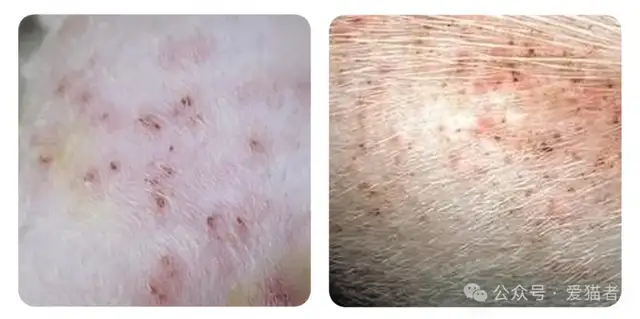 Leatheritis
Often confused with wet rashes, skin inflammation is mostly the irritating reaction of the skin to chemical agents (e.g. ablution, disinfectant), protein (e.g. a plant protein in food, or a pulse), bacteria and fungi. In the form of red skin, itchy, thin hair, local or large-scale loss of hair, light skin, etc.
If skin inflammation is used instead of wet rash as a diagnostic term, it refers to a combination of skin and skin, which can be acute and chronic. 1.4: Pussus: sepsis caused by bacterial infections such as grapes and streptococcus. When parasitic infections or low immunity result in increased reproduction, skin inflammation and sepsis. Especially in hot and wet summers. Cats tend to develop more rapidly when they suffer from low levels of immunity due to, inter alia, poor environmental health and undernutrition.
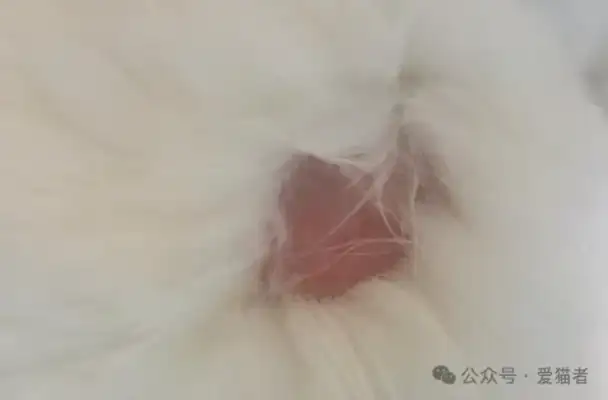 Traumatic infections
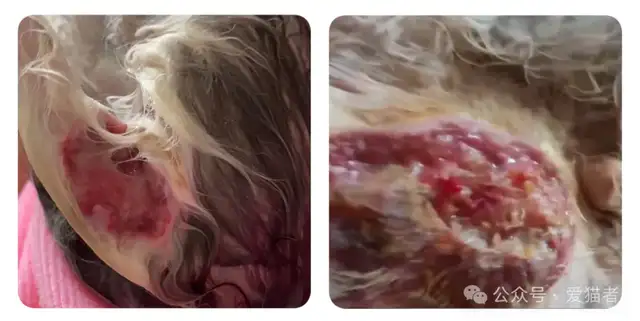
Cats are exposed to bacterial infections in their skin mouths, bacteria enter real skin proliferation through the skin, swell initially, touch hard pieces, develop puss, and become impossible as swelling increases.
 II. F
II. F
The fungi that are commonly infected with cats are canine spores, plaster spores and musk. Fungi causes skin infections through direct or indirect exposure, especially in cases of reduced body resistance and immunity, and malnutrition. It's usually best to feed cats or improve their immunity.
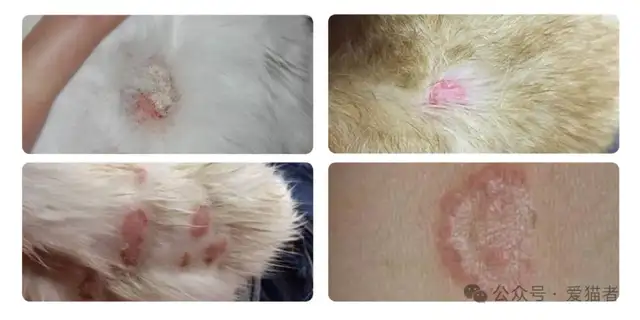
There are two types of fungi infected with cats, namely, canine spores and scabs, 98 per cent of which are canine scabs, which, as the disease evolves, become irritating dry circular marks, with skin crumbs formed in the spot, which increase significantly as the disease increases. Rapidly infecting other healthy skins is what we often call a molybdenum, which also transmits to humans.
 The mites.
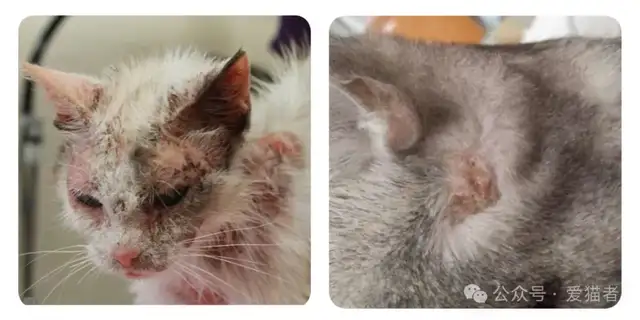
A skin disease that combines fungi and mites. It occurs mainly in the ears, faces, eyes and neck of cats. The symptoms are very itching, hair removal, red skin, small rash knots, yellow skin on the surface, thickening skin and cracking turtles when severe. In some cases, the pathologies are followed by bacterial infections.
 Leaf scabs.
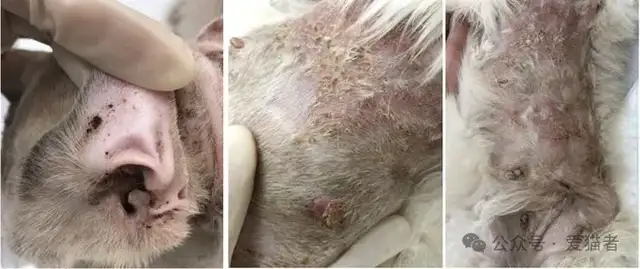
Leaf scabies and skin diseases, usually caused by parasitic or fungi infections, are caused by their own immuno-deficiency. The canine, cat's skin and mucous membrane appear, feel itching, wear red hair after friction, hair loss, tan seepage from the pus surface, yellow tan on the side of the puss, stench, normal mouth or slight redness, or light odor.
 III. Allergy skin diseases
Allergies of the cat ' s skin are not common, most of which are caused by food which is reflected in red or red spots of the skin, which then rises, itches, convulsions are formed and, in development, a similar septide form is formed in the swarms. The behaviour inherent in the cat – hairdressing, which makes skin disease worse.
Certain drugs also lead to allergies in the skin, and the symptoms disappear after the withdrawal.
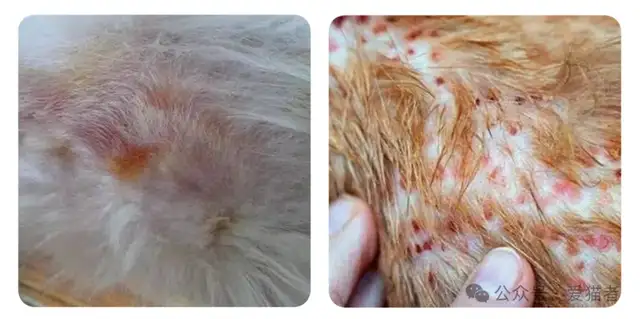 IV. REDUCTION OF IMMUNITY Category
Skin diseases caused by immuno-deficiency are manifested in local skin swelling, ulcer ulcer or skin skin formation. The medication will improve after treatment and will become more prone to relapse after the withdrawal.
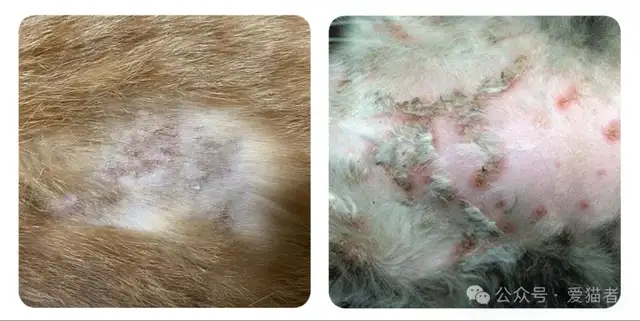 V. Hormonal skin diseases
Hormonal or antibiotics are commonly treated for skin problems, but the abuse of such drugs makes them less prone to relapse and is so repeated that they exacerbate or are resistant to treatment.
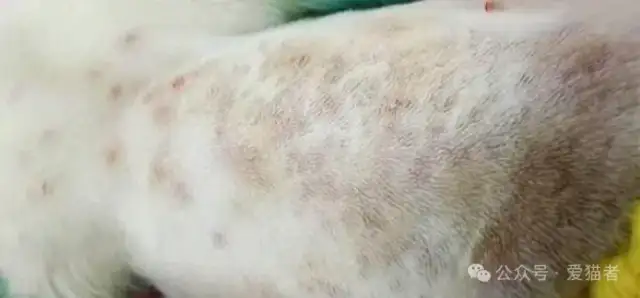 VI. metabolic skin diseases
Skin diseases can be caused by endocrine disorders. A common cat with black chins or ponytails is skin disease caused by endocrine metabolic disorders.
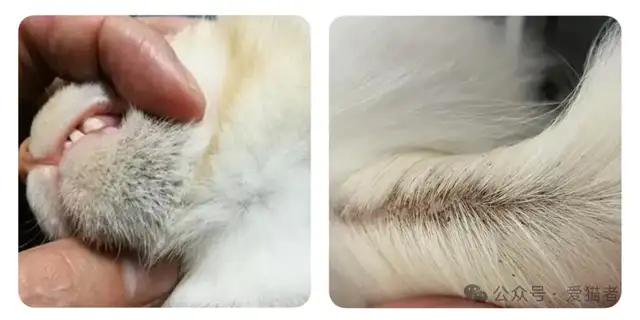 Skin tumours
Dermal tumours are cytogenic diseases occurring in the skin, with clinically benign tumours and malignant tumours. Malignant neoplasms can flourish, cause diversion and threaten life, known as skin cancer. Good tumour surgery is enough.
viii. Cats with acidic sprouts
Cat acid bulge complexes are common skin inflammation diseases in cats, including skin, mucous membranes and mouth.